From the archive
Qatar Cargo Maintains Top Global Spot Amidst Revenue Dip
Qatar Cargo remains the world's largest international airfreight carrier despite a 9.6% revenue dip and 9.1% volume decrease.
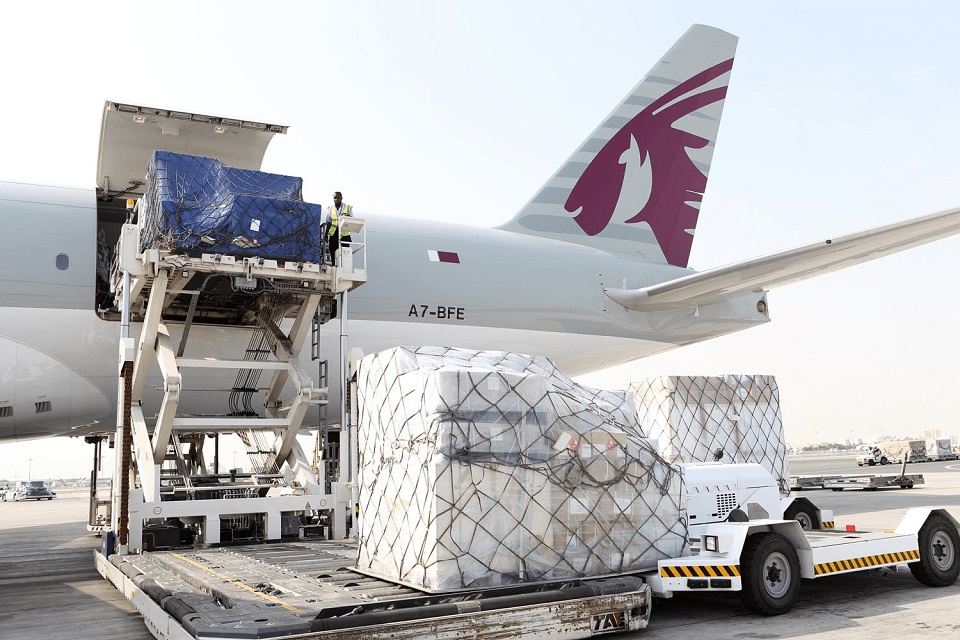
Qatar Cargo reported a 9.6% decline in cargo revenues, reaching $4.45 billion, and a 9.1% drop in cargo volumes to 2.8 million tonnes for its financial year ending in March. These figures represent a year-on-year reduction in both financial intake and freight moved. Despite these reductions, the carrier maintained its position as the world's largest international airfreight operator, holding a substantial 12% global market share. The outbreak of fighting in the Middle East at the end of February, along with broader shifts in global supply chains, significantly impacted the carrier's performance during this period. The carrier stated that "Global cargo markets were influenced by continued uncertainty, including new tariff regimes, shifting trade flows, and broader geopolitical change." This complex and challenging environment contributed to the pressures faced by Qatar Cargo throughout the financial year. The reported decline in cargo revenues, specifically the 9.6% reduction to $4.45 billion, and the 9.1% decrease in cargo volumes, totaling 2.8 million tonnes, show the difficult trading conditions experienced by the airfreight industry. Nevertheless, the airline's ability to retain its leadership as the world's largest international airfreight carrier, with a 12% global market share, notes its operational resilience and strategic positioning within the global logistics landscape.
Operational Performance and Network Strength
Qatar Cargo fully deployed its entire fleet of 30 Boeing 777 freighters throughout the period, according to company data. This full deployment of all 30 Boeing 777 freighters was a critical factor in maintaining service levels. The carrier’s global network maintained an impressive operational tempo of 87 flights daily without interruption. This consistent and uninterrupted flight schedule contributed to an 81% "flown as planned" rate for its operations, demonstrating high reliability. By the end of March, the airline had successfully cleared 93% of its cargo backlog at its Doha hub, indicating a significant improvement in processing efficiency and ground handling.
The deployment of the entire freighter fleet shows the carrier's commitment to maintaining its service levels despite market challenges and fluctuating demand. The consistent operation of 87 uninterrupted daily flights demonstrates the airline's continuous operational presence and its dedication to serving its extensive network. The high "flown as planned" rate, recorded at 81%, reflects the careful planning and reliable execution of Qatar Cargo's scheduling and operational procedures. The substantial reduction of the Doha cargo backlog to just 7% by March's end suggests effective management of logistics and ground handling at its primary hub, ensuring timely processing and onward movement of goods. These operational metrics collectively illustrate the carrier's proactive efforts to sustain its service quality and operational integrity amidst broader revenue and volume declines.
Strategic Growth and New Services
Qatar Cargo expanded its network by launching new freighter services to key strategic locations including Baghdad, Cairo, Erbil, Tbilisi, and Yerevan. These new routes enhance the carrier's reach and connectivity in important regional markets. The carrier also strengthened its capacity across key Asian gateways, specifically Guangzhou, Hong Kong, and Macau, reinforcing its presence in one of the world's most vital manufacturing and trade regions. The cargo division currently serves more than 70 freighter destinations, offering dedicated cargo capacity, and over 170 bellyhold destinations globally, leveraging the extensive passenger network of Qatar Airways. Additionally, a new partnership with Virgin Australia enabled increased cargo capacity from Australia’s primary hubs, further extending its reach into the Oceania market. The cargo division introduced specialized services designed to cater to specific industry needs, including TechLift, which is specifically designed for the secure and efficient transport of semiconductors and other high-tech cargo, as well as dedicated Aerospace services for the aviation industry. These initiatives reflect Qatar Cargo's strategic focus on expanding its operational reach and diversifying its service offerings despite a challenging market environment. The carrier's efforts to enhance both its geographical footprint and its specialized product portfolio aim to solidify its market position and attract new customer segments.
Industry Partnerships and Digital Innovation
Significant progress was made on Qatar Cargo's Global Cargo Joint Business with IAG Cargo and MASkargo, representing a major step in collaborative strategy. This collaboration saw a pilot launch following regulatory approvals across 57 markets, marking a key development in the carrier's partnership strategy and expanding its collective network reach. This joint business aims to enhance service offerings and market presence through shared resources and expertise.
The airline also implemented several digital investments aimed at improving efficiency and customer experience. These enhancements included significant updates to its cargo mobile application, providing users with improved functionality and accessibility. A notable innovation was the introduction of Sama for Cargo, which the company describes as the world's first AI-powered digital cargo cabin crew, designed to streamline communication and support. Complementing these digital initiatives, Qatar Cargo rolled out Ramp Offload and Load Supervision as part of its broader ramp digitization programme. This program aims to streamline ground operations, improve efficiency, and enhance safety protocols at its various operational points. These digital advancements show Qatar Cargo's commitment to leveraging technology to optimize its operations and maintain its competitive edge in the global airfreight market.