From the archive
Qatar Denies $12 Billion Offer to Iran Amidst Intense Diplomatic Maneuvers
Qatar denies offering Iran $12 billion for an end-of-war agreement, attributing the rumors to disruptive forces seeking to derail diplomacy.
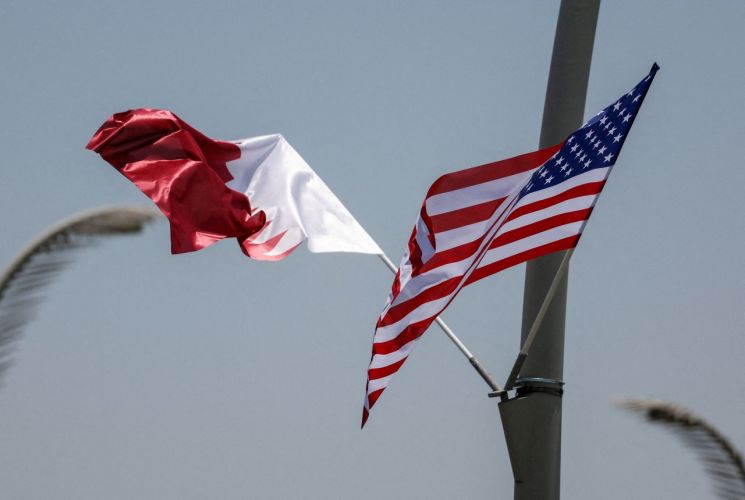
Qatar has emphatically denied widespread reports claiming it offered Iran a substantial $12 billion payment to facilitate an end-of-war agreement. The alleged proposal circulated amidst ongoing, high-stakes diplomatic efforts in the region, drawing significant attention. The denial comes at a time of heightened activity, with Abdolnaser Hemmati, Governor of the Central Bank of Iran, notably present in Doha, Qatar, signaling that high-level discussions of considerable importance were indeed taking place.
Rumors and Denials Spark Regional Interest
Rumors concerning a $12 billion offer from Qatar to Iran, specifically aimed at securing an end-of-war agreement, circulated widely across social media platforms, quickly becoming a subject of intense speculation. These rumors prompted a swift and clear denial from Qatari officials. Simultaneously, Iran's Fars News Agency reported on the Iranian perspective regarding potential negotiations, offering insight into their priorities. According to the agency, the Iranian side views the release of its frozen funds and the cessation of hostilities as primary and non-negotiable issues for discussion. These reports emerged as diplomatic activity intensified dramatically, further showed by the presence of Abdolnaser Hemmati, Governor of the Central Bank of Iran, in Doha, Qatar, at the heart of these discussions.
Frozen Assets: A Key Point of Contention
Adding another layer of complexity to the ongoing diplomatic exchanges, Iran International quoted sources indicating that the Iranian negotiation team had explicitly demanded access to 12 billion dollars of Iranian assets frozen in Qatar as a precondition for engaging in discussions on a potential Memorandum of Understanding (MOU) with the United States. This demand notes the critical role of financial assets in the broader negotiation landscape. However, the remaining frozen Iranian assets currently held within Qatari financial institutions are estimated to amount to approximately 6 billion dollars, a figure that contrasts sharply with the 12 billion dollars reportedly demanded.
This situation is further complicated by a recent history of asset transfers. A previous transfer of 6 billion dollars in Iranian funds, which had been frozen in South Korea, occurred in September 2023. These funds were meticulously moved to Qatar via Switzerland following an agreement reached between the United States and Iran, intended to ease financial pressures on Tehran. However, the availability of these assets was short-lived, as these same funds were subsequently frozen again after Hamas launched its attack on Israel in October 2023, significantly impacting Iran's access to these financial resources. The fluctuating status of these funds shows the volatile geopolitical environment in which these diplomatic efforts are unfolding.
Significant Diplomatic Presence in Doha
The intensity of the diplomatic engagement was further evidenced by the arrival of a high-profile delegation led by Mohammad Bagher Ghalibaf, Speaker of the Iranian Parliament, in Doha, Qatar. His presence in the Qatari capital coincided precisely with the day the reports of a $12 billion offer first surfaced, showing the heightened level of diplomatic engagement between the two nations amidst ongoing regional discussions. The arrival of Speaker Ghalibaf’s delegation did not occur in isolation; it coincided with other critical high-level activities, including the extended presence of Abdolnaser Hemmati, Governor of the Central Bank of Iran, in Doha.
These overlapping visits strongly suggest a concerted and multi-pronged effort to address various bilateral and regional issues, ranging from economic concerns to broader political stability. The timing of the parliamentary delegation’s visit, alongside the central bank governor’s presence, indicates a sophisticated, multi-faceted approach to diplomacy, involving both key economic and political channels. This convergence of senior officials from Iran in the Qatari capital reflects the extraordinary intensity and strategic importance of the current diplomatic maneuvers, as regional powers navigate complex geopolitical challenges.