From the archive
Qatar Hosts National Workshop on Coral Reef Restoration
Qatar hosted a national workshop in Doha on coral reef restoration, uniting government, researchers, and industry to protect marine ecosystems and…
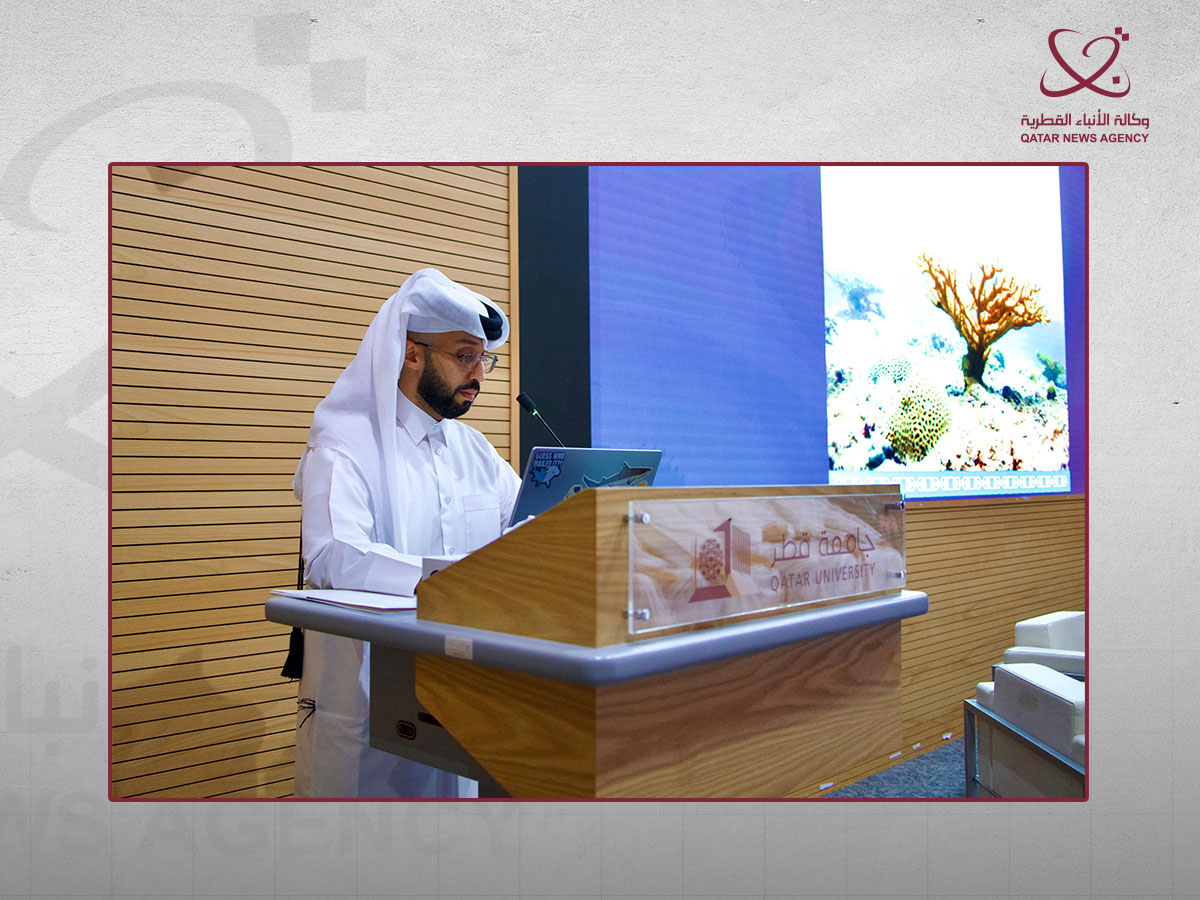
Qatar's Ministry of Environment and Climate Change, in cooperation with Qatar University, organized a national workshop on coral reef restoration in Doha on May 21. The event served as part of wider efforts to protect the country's marine ecosystems and biodiversity, showing the nation's commitment to environmental stewardship.
Workshop Focus and Participants
The event gathered government agencies, researchers, and industry representatives to address the challenges facing coral reefs. Participants engaged in discussions regarding the environmental threats to these key ecosystems and investigated scientific and practical solutions for their protection and recovery. The workshop provided a vital platform for stakeholders to exchange knowledge and develop collaborative strategies.
Dr. Mohammed Al Safran, Qatar University's Associate Vice President for Research Centers, stated that "the workshop reflected the university's commitment to applied environmental research and national cooperation." He further emphasized that "coral reef protection is a shared responsibility requiring collaboration between academic institutions, government bodies and industry," noting the necessity for widespread cooperation to achieve sustainable outcomes. Dr. Al Safran's remarks showed the importance of a multi-sectoral approach to tackle the complex issues surrounding marine conservation. The discussions during the workshop delved into various aspects of coral reef health, including the impacts of climate change, pollution, and unsustainable practices. Experts shared insights on innovative restoration techniques, such as coral gardening and transplantation, and explored how these methods could be effectively implemented in Qatar's marine environment.
Importance of Coral Reefs
Coral reefs are among Qatar's most important marine ecosystems, according to Dr. Ibrahim Abdul Latif Al Maslamani, Assistant Undersecretary for Protection and Natural Reserves at the Ministry of Environment and Climate Change. Dr. Al Maslamani stated that "coral reefs are among Qatar's most important marine ecosystems because they support biodiversity, fish stocks and coastal protection." He also stressed that "restoring reefs is a national environmental priority linked to the sustainability of marine resources." His statements noted the ecological and economic significance of healthy coral ecosystems for the nation.
Khalid Juma Al Muhannadi, Director of Wildlife Development at the ministry, noted that "coral reefs also play an important role in scientific research, education and eco-tourism." Al Muhannadi added that "the ministry is giving special attention to reef restoration programs as part of Qatar's long-term environmental goals under Qatar National Vision 2030." This strategic focus reflects a broader national agenda to safeguard natural assets and promote environmental sustainability. The workshop also explored the potential for eco-tourism development around healthy coral reefs, recognizing their aesthetic value and the opportunities they present for sustainable economic growth. The discussions also touched upon the role of education in raising public awareness about the importance of coral reefs and engaging local communities in conservation efforts.
National Goals and Future Steps
Khalid Juma Al Muhannadi, Director of Wildlife Development at the Ministry of Environment and Climate Change, stated that the ministry is prioritizing reef restoration efforts. "The ministry is giving special attention to reef restoration programs as part of Qatar's long-term environmental goals under Qatar National Vision 2030," Al Muhannadi said. He emphasized that these programs align with the nation's broader environmental objectives, aiming to secure a healthy marine environment for future generations. Participants at the workshop affirmed that safeguarding the marine environment necessitates stronger partnerships among various stakeholders, including government entities, academic institutions, private sector companies, and local communities. They also noted the need for expanded field studies to better understand the local marine conditions and the specific challenges faced by Qatar's coral reefs. Sustained investment in both scientific research and environmental innovation was deemed key to ensure effective protection and restoration initiatives. The workshop concluded with a consensus on the importance of translating these discussions into concrete actions and policies, fostering a collaborative approach to marine conservation.