From the archive
Qatar LNG Exports Poised for Sharp October Decline Amidst Vessel Attacks
Qatar's LNG exports are set for a sharp decline in October, potentially dropping to 0.6 million tonnes, due to increased vessel attacks in shipping lanes.
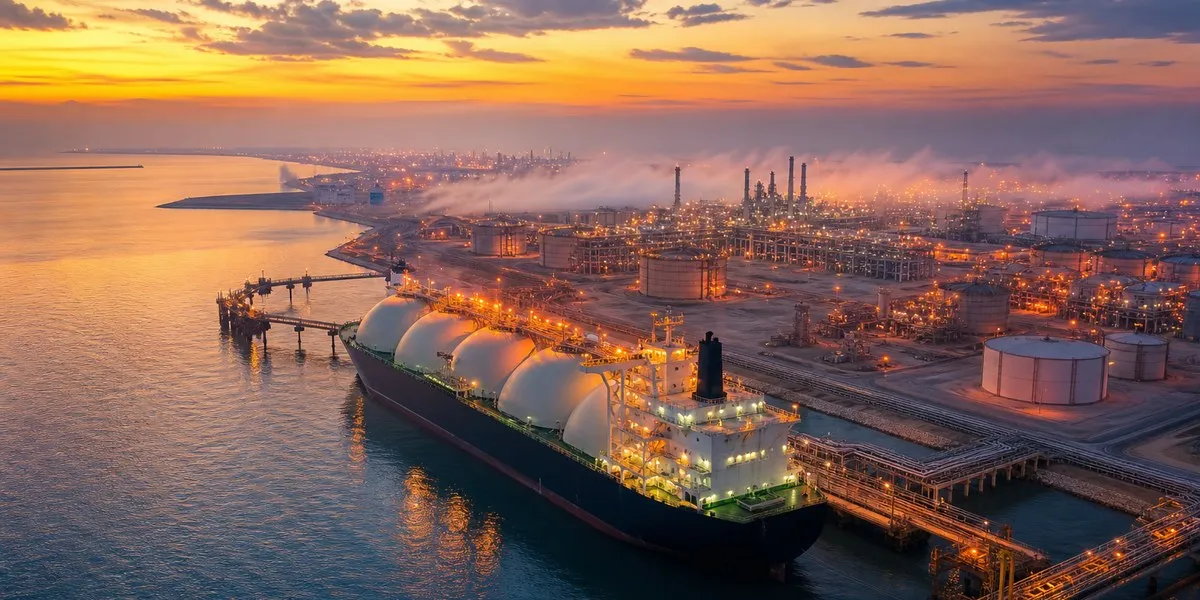
Qatari liquefied natural gas (LNG) shipments are projected to decrease sharply in October, potentially falling to 0.6 million tonnes, according to data from analytics firm Kpler. This anticipated decline comes amidst increased vessel attacks in key shipping lanes. The reduction in exports from Qatar, a major global supplier, could impact energy markets, particularly in Asia and Europe, which rely heavily on its LNG. The potential decrease follows recent disruptions impacting maritime trade routes through the Strait of Hormuz and other critical waterways in the Middle East. The projected drop to 0.6 million tonnes in October represents a significant reduction from previous months, noting the immediate impact of the security situation on Qatar's export capabilities. This decline in LNG exports is directly linked to an increase in attacks on vessels operating in these vital maritime corridors.
September Shipments and Destinations
Qatari liquefied natural gas (LNG) shipments reached 1.6 million tonnes in September. This volume marked the highest since the conflict began, yet it represented less than a quarter of the pre-war average level. The September figure of 1.6 million tonnes provided a brief respite from even lower export volumes experienced earlier in the conflict, though it remained substantially below typical levels. Approximately one-third of the total LNG volume exported by Qatar in September was destined for Kuwait, showing the importance of regional energy partnerships. This significant portion supplied to Kuwait notes the critical role Qatar plays in meeting the energy demands of its immediate neighbors. The remaining LNG cargoes from September were dispatched to China, India, and other Asian countries, according to Kpler data. This distribution notes Qatar's key markets amidst ongoing regional maritime security concerns affecting global energy flows, demonstrating the broad geographic reach of its energy exports even under challenging conditions. The reliance of these Asian economies on Qatari LNG makes any disruption a matter of international energy security.
Disruptions and Capacity Impacts
The anticipated decline in Qatari LNG exports for October is primarily linked to a recent increase in attacks targeting vessels in key shipping lanes. These maritime incidents have prompted heightened security concerns and operational adjustments for shipping companies navigating the region. The escalating threats in these waterways have forced a re-evaluation of shipping routes and schedules, contributing to delays and reduced capacity. QatarEnergy, the state-owned energy company, last month extended force majeure notices, signaling that unforeseen circumstances are preventing it from fulfilling contractual obligations. The extension of these notices shows the impact of the current security environment on Qatar's ability to maintain its usual export schedules. This legal declaration allows QatarEnergy to temporarily suspend contract terms due to circumstances beyond its control, reflecting the severity of the operational challenges it faces. These disruptions have significantly affected the country's export capabilities. Iranian missile strikes, in particular, have disabled approximately 17% of Qatar's total export capacity, according to industry assessments. This reduction represents a substantial blow to Qatar's ability to supply global markets, directly impacting the volume of LNG it can deliver. The disabling of such a significant portion of its capacity has broad implications for both Qatar's revenue and the global energy supply chain.
Qatar's Global LNG Position
Qatar is currently the world’s second-largest producer of liquefied natural gas (LNG), trailing only the United States. This position as a leading global supplier gives its export fluctuations significant weight in international energy markets. The nation possesses an impressive export capacity of nearly 80 million tonnes per year, a figure that represents approximately one-fifth of the total global LNG capacity. This substantial capacity solidifies Qatar's role as a cornerstone of global LNG supply, making its operational stability key for energy security worldwide. Despite recent disruptions, Qatar is actively pursuing an ambitious program to significantly expand its production capabilities. This initiative aims to increase the country's LNG capacity to 142 million tonnes per year by 2030, reinforcing its long-term role in the international energy market. This planned expansion, which would nearly double its current capacity, demonstrates Qatar's commitment to remaining a dominant force in the global LNG landscape, even as it navigates current security challenges. The strategic investment in expanding capacity shows the long-term importance of LNG for Qatar's economy and its global energy strategy.
Broader Maritime Context
Shipments of Middle Eastern oil through the Strait of Hormuz demonstrated an uptick in September, reaching approximately 80% of the pre-war level. This figure translates to Middle Eastern oil shipments totaling 16 million barrels per day for the month, indicating a partial recovery in oil transit compared to earlier periods of conflict-induced disruption. The Strait of Hormuz remains a critical chokepoint for global energy supplies, with its activity closely monitored amidst ongoing regional tensions. This narrow waterway is essential for a significant portion of the world's oil and gas trade, making its security critical. Despite the recent increase in oil flows, the broader maritime environment continues to face security challenges, as evidenced by the impact on LNG shipments. The contrasting trends between oil and LNG shipments highlight the varying vulnerabilities and operational adjustments within the energy sector in response to regional instability. The sustained threats to shipping in the region show the precarious nature of energy supply routes and the need for ongoing vigilance and security measures.