From the archive
Qatar Mediates as US-Iran Tensions Flare After Strikes
Qatar sends a delegation to Tehran to mediate as US-Iran tensions escalate following recent strikes, aiming to de-escalate regional conflict.
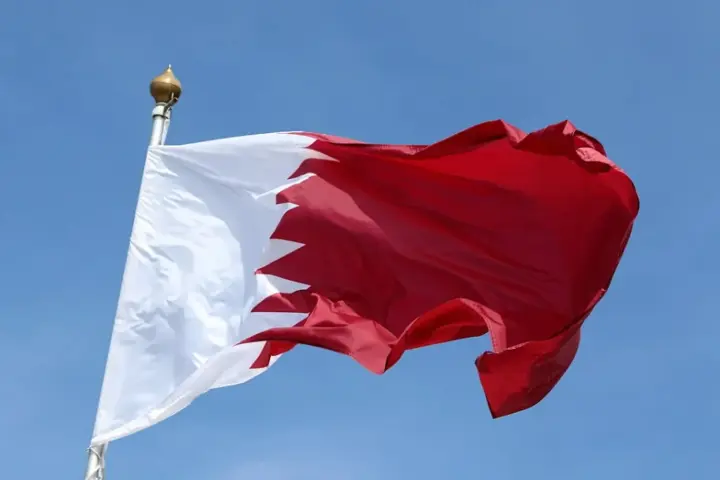
A Qatari delegation arrived in the Iranian capital, Tehran, on Tuesday, acting as a mediator amid rising tensions between the United States and Iran. The visit follows recent military strikes in the region, which have significantly escalated the geopolitical climate. According to Iranian media, the Qatari delegation is expected to discuss the latest developments in the ongoing conflict during its visit, aiming to find pathways for de-escalation. The move signals an effort by Qatar to prevent further instability in the Gulf region, particularly given the strategic importance of areas like the Strait of Hormuz, a critical choke point for global oil shipments. Qatar's proactive diplomatic engagement notes its commitment to regional stability and its established role as a neutral arbiter in complex international disputes.
Escalating Hostilities Erupt
The United States launched strikes around the Strait of Hormuz after accusing Iran of shooting down a US military helicopter, igniting a new phase of direct confrontation between the two nations. This accusation and subsequent military action by the US marked a significant turning point in the simmering tensions. Following these US actions, Iran responded swiftly and forcefully with a series of missile and drone attacks. These Iranian strikes specifically targeted US bases located in Jordan, Kuwait, and Bahrain, demonstrating Iran's capability to project power across the region. The reciprocal military actions mark a significant escalation in regional tensions, drawing international attention to the critical waterways and the substantial international military presence in the Gulf. The rapid exchange of strikes shows the volatile nature of the current situation and the potential for wider conflict.
Qatar's Diplomatic Mission
Qatar is actively supporting negotiation efforts between Washington and Tehran, according to reports from diplomatic sources. The Gulf state has a well-documented history of mediating complex international disputes and maintains strong diplomatic ties with both the United States and Iran, positioning it uniquely to facilitate dialogue. Its current mission to Tehran follows a period of intense military actions between the two nations, including the aforementioned US strikes near the Strait of Hormuz and Iran's retaliatory missile and drone attacks on US bases in Jordan, Kuwait, and Bahrain. Observers indicate that Qatar's involvement aims to prevent a broader conflict from erupting and to foster dialogue amidst the heightened tensions. The Qatari delegation's visit to the Iranian capital shows the country's role as a key regional mediator, striving to bridge the communication gap between the adversaries and encourage a peaceful resolution. This diplomatic initiative is seen as key in preventing a further spiral of violence that could destabilize the entire Middle East.
Stark Warnings and Stances
Tehran announced it would review its diplomatic engagement with Washington following the overnight retaliatory strikes, signaling a potential shift in its approach to international relations amid the escalating tensions. This statement from the Iranian capital came after a series of military actions that have profoundly heightened regional instability and created an atmosphere of uncertainty. On the US side, former President Donald Trump commented on the situation, asserting that Iran had waited too long to reach a deal. Mr. Trump stated emphatically that Iran "must pay for it," indicating a firm and uncompromising stance regarding the recent developments. His remarks reflect a strong position on accountability for the actions taken by Iran in the ongoing conflict, adding another layer of political pressure to the already fraught situation. The divergent and unyielding positions articulated by both sides highlight the immense challenge facing Qatar's mediation efforts. The international community watches closely, hoping that diplomatic channels can prevail over military escalation.