From the archive
Qatar Mediates Iran-US Deal Amidst Domestic Protests
Qatar mediates a potential Iran-US deal as a delegation visits Tehran. Talks focus on dismantling the US naval blockade amidst domestic protests in Iran.
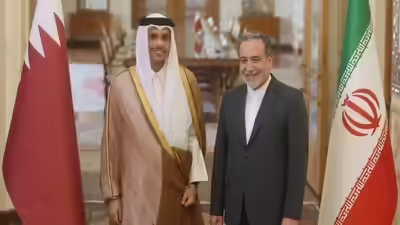
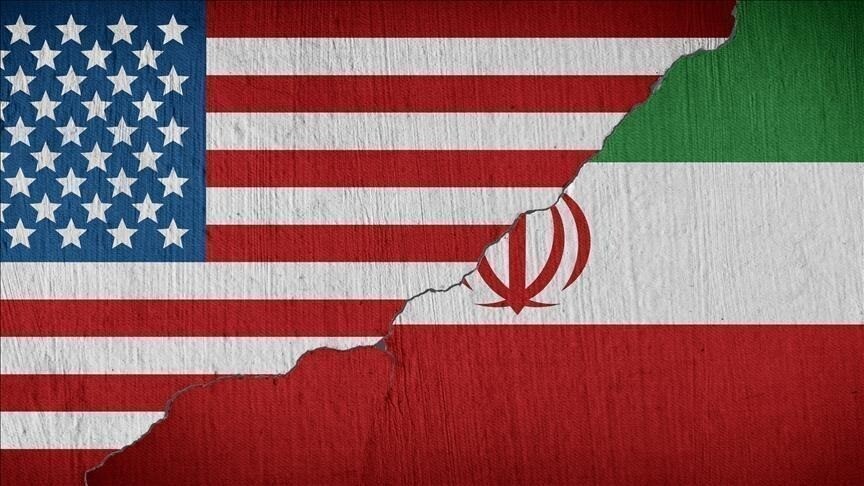
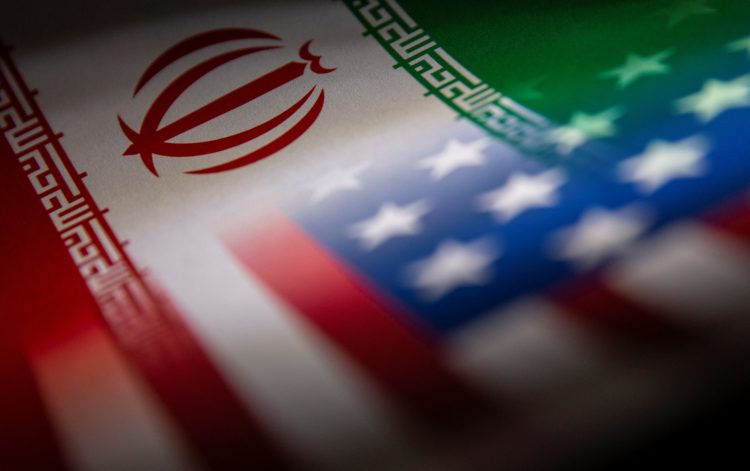
A Qatari delegation arrived in Tehran on Sunday as domestic protests emerged in Iran regarding a proposed agreement with the United States. Foreign Minister Abbas Araghchi stated on Friday that "Tehran and Washington could announce an initial understanding in the coming days, while emphasizing that the process has not yet been finalised." Araghchi, who also serves as Iran's chief negotiator alongside Parliament Speaker Mohammad Bagher Ghalibaf, indicated progress in the discussions. Protests in Mashhad followed a televised interview where Araghchi detailed that the proposed agreement includes provisions for dismantling the US naval blockade on Iranian ports. This development comes as both sides continue to engage in indirect talks mediated by Qatar. The involvement of Qatar in these high-stakes negotiations notes its growing role as a diplomatic facilitator in regional disputes between Iran and the United States.
Details of Proposed Understanding
Discussions between Iran and the United States center on a 14-point memorandum of understanding, according to sources familiar with the negotiations. This full document forms the bedrock of the potential agreement, outlining the initial terms and conditions both parties are considering. The proposed framework for the agreement is structured into two distinct stages, reflecting a phased approach to resolving long-standing issues. The initial stage involves an understanding outlined in this memorandum, which is intended to establish immediate steps and confidence-building measures. Following this first phase, a second period of negotiations is anticipated to span approximately 60 days. This subsequent phase is intended to address several key issues between the two nations, which are considered more complex and require detailed deliberation. These critical issues include the full removal of sanctions that have significantly impacted Iran's economy, the complexities of Iran's nuclear file, matters related to uranium enrichment levels and capabilities, and plans for economic reconstruction within Iran. The two-stage structure suggests an attempt to build trust and momentum before tackling the most contentious aspects of the relationship.
US President's Stance
US President Donald Trump commented on the prospective agreement, stating on Truth Social that the deal is "scheduled to get signed tomorrow, and immediately after it is signed, the Hormuz Strait is OPEN TO ALL." Trump's statement indicates a perceived immediate impact on the vital shipping lane, emphasizing the potential for unhindered maritime traffic through this key waterway. He further characterized his agreement as "A WALL TO NO NUCLEAR WEAPON," drawing a stark contrast with the Joint Full Plan of Action (JCPOA), also known as the Iran nuclear deal, which he withdrew the United States from during his presidency. This specific phrasing by the former president suggests a focus on preventing Iran from developing nuclear weapons, positioning his proposed deal as a more strong deterrent. His public remarks come as Qatari mediation efforts continue between Tehran and Washington regarding the proposed understanding. The timing of President Trump's comments, amidst ongoing indirect talks, adds another layer to the public discourse surrounding the potential agreement.
Domestic Opposition and Reaction
Dozens of protesters gathered outside a foreign ministry office in Mashhad, demanding the resignation of top diplomat Abbas Araghchi following reports of a potential agreement with the United States. Demonstrators chanted "Araghchi, resign" and "Ghalibaf, resign," referring to Parliament Speaker Mohammad Bagher Ghalibaf, who is also involved in negotiations as Iran's chief negotiator. The public outcry emerged after Araghchi indicated that "Tehran and Washington could announce an initial understanding in the coming days, while emphasizing that the process has not yet been finalised." The public display of discontent shows the significant domestic scrutiny any deal with the United States faces within Iran. The involvement of both Araghchi and Ghalibaf, as key figures in the negotiations, has made them targets of this opposition.
Iranian Foreign Ministry spokesperson Esmaeil Baghaei addressed the timing of the potential agreement, stating, "It will not be tomorrow," but acknowledged that an understanding might be formalized in subsequent days. This statement by Baghaei aimed to manage public expectations and clarify the immediate timeline of the agreement, suggesting that while progress is being made, a final announcement is not necessarily imminent. The protests in Mashhad show domestic concerns regarding the proposed deal, particularly as Araghchi had previously detailed provisions for dismantling the US naval blockade on Iranian ports during a televised interview. This specific detail likely fueled some of the public's apprehension, as it touches upon sensitive issues of national sovereignty and economic relief. The demonstrations reflect a segment of public opinion critical of the ongoing negotiations, fearing potential concessions or a perceived weakening of Iran's stance. The chants and public gatherings highlight the political sensitivities surrounding any diplomatic engagement with the United States, especially given the historical context of relations between the two countries.
International Context and Timeline
The Qatari delegation held consultations with Iranian officials, facilitating the exchange of messages between Tehran and Washington concerning a proposed memorandum of understanding aimed at ending the war. This diplomatic effort shows Qatar's key role as a mediator, working to bridge the communication gap between the two estranged nations. The Qatari government's consistent engagement notes its commitment to regional stability and its capacity to act as a neutral intermediary. Separately, Pakistani officials indicated that a deal could be finalized as early as Sunday, with plans for an electronic signing ceremony. This suggests that the negotiations had reached an advanced stage, where logistical arrangements for formalizing the agreement were already being considered. However, this timeline was subsequently tempered by Iranian Foreign Ministry spokesperson Esmaeil Baghaei's statement, indicating that while an understanding might be formalized in subsequent days, "It will not be tomorrow." These developments highlight ongoing international efforts to broker an agreement between the two nations, despite domestic protests in Iran. The proposed understanding seeks to address various points of contention, with Qatari and Pakistani involvement signaling broader regional engagement in the negotiations. The active participation of these countries shows the regional and international significance of any potential agreement between Iran and the United States.