From the archive
Qatar NHRC Chair Meets UN Official to Bolster Human Rights Cooperation
Qatar NHRC Chair Maryam Al Attiyah met UN Under-Secretary-General Guy Ryder to discuss enhancing human rights cooperation and promoting Qatar's reforms.
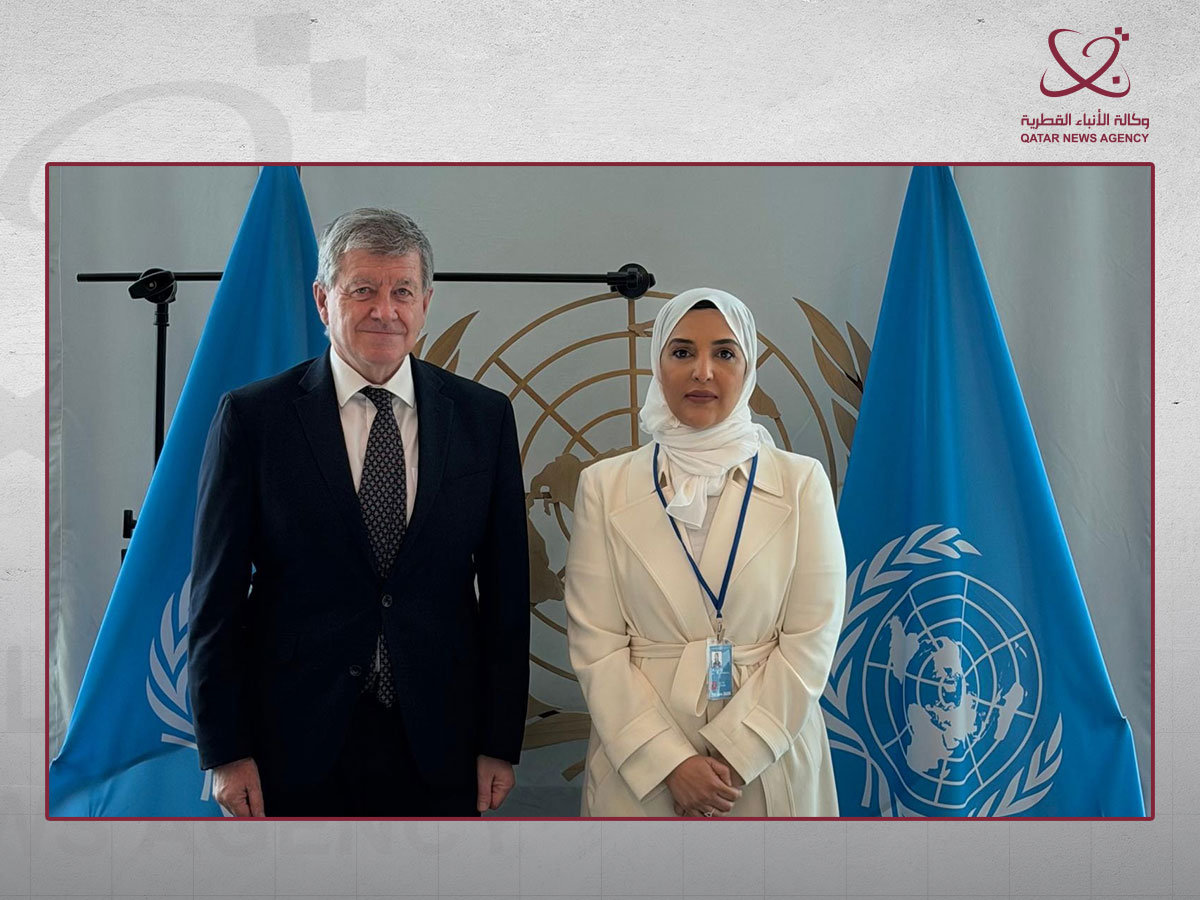
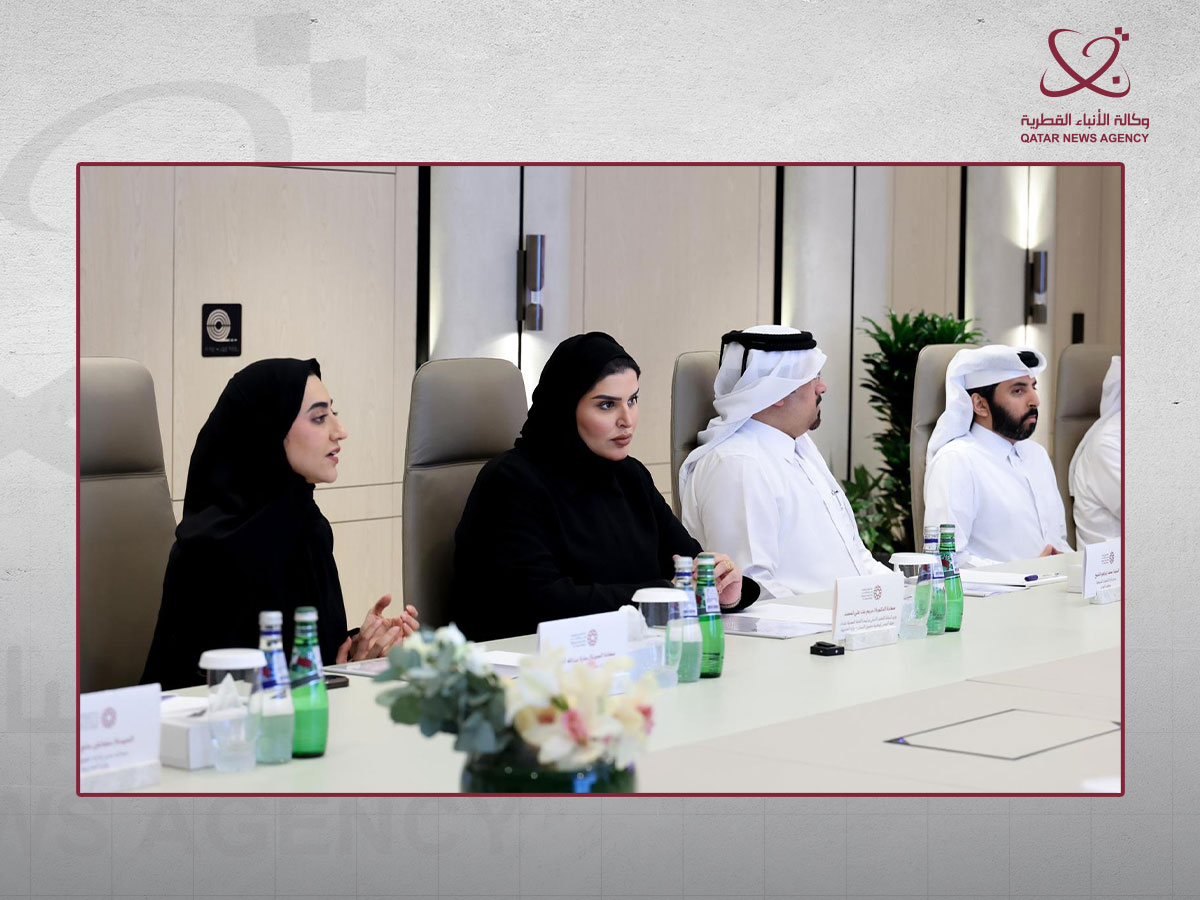
Her Excellency Maryam bint Abdullah Al Attiyah, Chairperson of Qatar's National Human Rights Committee (NHRC), met with United Nations Under-Secretary-General Guy Ryder at the UN headquarters in New York. The high-level meeting served as a significant platform for discussing avenues to strengthen collaborative efforts in the key areas of human rights protection and promotion. The core of their discussion focused on enhancing cooperation, developing the capacities of national human rights institutions, and supporting their active participation in the work of various United Nations bodies. This engagement showed a mutual commitment to advancing human rights globally through coordinated action.
Guy Ryder, who previously served as Director-General of the International Labour Organization, commended the NHRC's dedicated efforts, specifically acknowledging the leading role played by Her Excellency Al Attiyah both nationally within Qatar and on the international stage. His remarks noted the NHRC's contributions and its adherence to global standards for human rights institutions.
Ryder emphasized the critical importance of monitoring the practical impact of labor reforms on the ground, stating that sustained attention to workers' rights is a long-term commitment requiring continuous oversight. He also noted "the continuation of some illegal practices, such as providing employment contracts that do not match the actual contracts or imposing recruitment fees on workers, which leads some of them to fall into a spiral of debt." This observation points to ongoing challenges that necessitate vigilant enforcement and further action despite significant legislative progress.
NHRC's Role and Reforms
The National Human Rights Committee (NHRC) was established in 2002, aligning with the Paris Principles that govern the operations of national human rights institutions globally. This foundational adherence to international standards provided a strong framework for its subsequent development and activities. The committee later secured first-class accreditation (A) from the Global Alliance of National Human Rights Institutions in 2010, a significant achievement that recognized its operational independence and effectiveness. This accreditation was subsequently renewed in both 2015 and 2021, affirming its consistent adherence to international standards and best practices for national human rights bodies. The NHRC operates with a clear mandate to safeguard and advance the human rights of all individuals within the legal jurisdiction of the State of Qatar, encompassing citizens, residents, and visitors alike. This full scope ensures that its protective and promotional activities extend to everyone present in the country, reflecting a commitment to universal human rights principles.
Qatar has implemented several significant legislative reforms designed to enhance workers' rights and conditions. These reforms include the abolition of the sponsorship system, a major step towards greater labor mobility, and the elimination of exit permits, which previously restricted workers' freedom of movement. Other key reforms include the introduction of the Wage Protection System, which ensures timely and transparent payment of wages, and the approval of a national minimum wage, providing a safety net for low-income workers. The establishment of dedicated labor dispute resolution committees offers accessible avenues for workers to address grievances, and the creation of the Workers Support and Insurance Fund provides financial assistance and security. Additionally, a specific law for domestic workers has been enacted, extending protections to a previously vulnerable group. The NHRC has engaged directly with these transformative changes. Her Excellency Maryam bint Abdullah Al Attiyah stated, "She noted that the NHRC signed a memorandum of understanding with the Ministry of Labour to monitor the implementation of these reforms, identifying challenges, and working together to address them." This memorandum specifically aims to oversee the practical application of these new regulations, ensuring that legislative intent translates into tangible improvements for workers.
Discussions between Her Excellency Al Attiyah and Under-Secretary-General Ryder also emphasized the importance of enhancing the participation of national human rights institutions in the work of the Economic and Social Council and various other United Nations bodies. This shows a broader goal of integrating national efforts with international human rights mechanisms, allowing national institutions to contribute their on-the-ground perspectives and expertise to global human rights discourse and policy-making. Increased participation would also facilitate the sharing of best practices and foster greater accountability at both national and international levels.
Regional Impact and Future Cooperation
Discussions between Her Excellency Maryam bint Abdullah Al Attiyah and United Nations Under-Secretary-General Guy Ryder addressed the National Human Rights Committee's (NHRC) significant role in supporting the establishment of independent national human rights institutions across the Gulf region. The NHRC contributes valuable expertise and technical support to promote this key trend in neighboring countries, including the Sultanate of Oman and the State of Kuwait. This regional engagement shows Qatar's commitment to fostering a broader human rights framework and strengthening human rights infrastructure throughout the Gulf Cooperation Council (GCC) states. By sharing its experience and knowledge, the NHRC helps to build capacity and promote adherence to international human rights standards in the region.
The meeting also outlined proposed areas for future cooperation with the United Nations, signaling a commitment to sustained collaboration. These include capacity-building initiatives designed to strengthen human rights mechanisms within Qatar and potentially extend support to other nations. Education and training programs in human rights were also identified as a key area for joint efforts, aiming to elevate understanding and practice within the field among various stakeholders, including government officials, civil society, and the general public.
Further collaborative activities are expected to involve the systematic exchange of experiences and knowledge between the NHRC and relevant UN bodies. This exchange would allow for mutual learning and the adoption of effective strategies in human rights protection and promotion. Strengthening international advocacy for human rights issues represents another vital facet of the planned cooperation, seeking to amplify global awareness and action on critical concerns that require international attention. Lastly, cooperation in workers' rights was noted as a specific priority, building on previous discussions regarding labor reforms and their practical implementation. This focus reflects a shared understanding of the ongoing need to protect and promote the rights of migrant workers, ensuring fair labor practices and decent working conditions.
Challenges and Perspectives
United Nations Under-Secretary-General Guy Ryder showed the importance of monitoring the practical impact of labor reforms. He stated, "He noted the importance of monitoring the impact of labor reforms on the ground, stressing that attention to workers' rights is a long-term commitment." Ryder also observed that "some illegal practices" persist within the labor sector in Qatar, despite the full legislative changes. He elaborated, "Ryder noted the continuation of some illegal practices, such as providing employment contracts that do not match the actual contracts or imposing recruitment fees on workers, which leads some of them to fall into a spiral of debt." This notes ongoing challenges despite legislative changes aimed at improving workers' conditions. The persistence of these practices necessitates continued vigilance and strong enforcement to ensure that reforms translate into tangible improvements for all workers. Both the NHRC and the UN recognize that while legislative frameworks are key, their effective implementation and continuous monitoring are critical to achieving lasting change and upholding human rights standards.