From the archive
Qatar Opposes Permanent Hormuz Fees, Open to Temporary Measures
Qatar opposes permanent fees for Strait of Hormuz passage, but is open to temporary measures for services like mine clearance to ensure shipping safety.
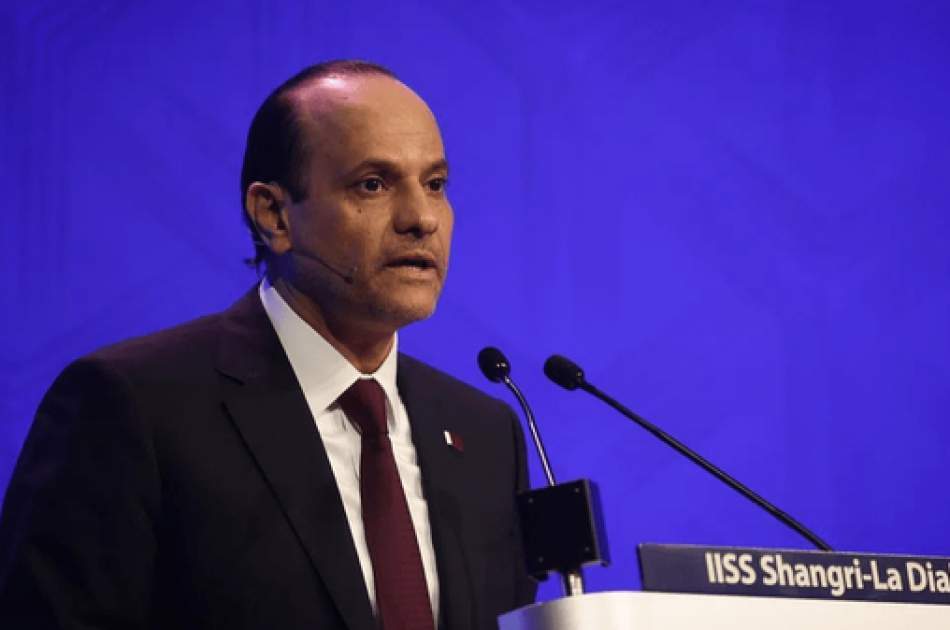
Qatari Deputy Prime Minister Sheikh Saud bin Abdulrahman Al Thani stated that ships would be able to transit the Strait of Hormuz with Iran's permission and payment of service fees. Sheikh Saud made these remarks during an Asian defense conference in Singapore, emphasizing the complex dynamics at play in the vital maritime chokepoint. His comments came at the Shangri-La Dialogue, a prominent security summit where discussions frequently include regional security and maritime passage through strategic waterways like the Strait of Hormuz. The Deputy Prime Minister's statements showed Qatar's nuanced position amidst escalating tensions and calls for new transit regulations.
Navigating Strait of Hormuz
Qatar has expressed concerns that implementing a permanent fee for transit through the Strait of Hormuz would ultimately affect consumers, leading to increased costs for goods and services reliant on maritime trade. This stance notes Doha's apprehension regarding the economic repercussions of such long-term levies. Iranian authorities, for their part, maintain that the strategic waterway is under their control following perceived aggression from the United States and Israel. This assertion by Iran provides a key context for its approach to maritime activities in the strait. Iran has previously stressed that the situation in the Strait of Hormuz will never return to its pre-war state, indicating a lasting and fundamental change in its approach to maritime passage through the vital chokepoint. This declaration suggests a new paradigm for navigation and security in the region, moving away from previous norms.
Doha's Diplomatic Balancing Act
Qatar opposes permanent legal fees for passage through the Strait of Hormuz, reiterating its belief that such measures could negatively impact consumers across the globe. This firm opposition is a cornerstone of Doha's policy regarding the strait's future. Concurrently, Doha is also actively seeking consensus among the Gulf Cooperation Council (GCC) member states regarding a full strategy for diplomatic engagement with Iran. This diplomatic push aims to coordinate regional approaches to security and economic stability in the Persian Gulf, fostering a united front among GCC nations. The Qatari government believes that a unified regional approach is essential for addressing the complex challenges posed by Iran's stance on the Strait of Hormuz and broader regional security concerns.
Negotiable Fees for Passage
While opposing permanent fees, Qatar has indicated that temporary fees for passage through the Strait of Hormuz are negotiable and could facilitate the restoration of normal shipping traffic. This flexibility showcases Qatar's pragmatic approach to de-escalation and maintaining maritime commerce. Doha suggests that short-term fees, specifically for purposes such as mine clearance or other temporary security measures, could be considered. This approach aligns with Qatar's broader diplomatic efforts to find consensus among Gulf Cooperation Council member states on engagement with Iran, aiming to stabilize the region's security and economic landscape. Qatar maintains its opposition to permanent legal fees, citing potential negative impacts on consumers and the global economy. The focus remains on temporary, purpose-specific measures rather than long-term financial levies on transit, which could disrupt international trade flows. These temporary measures are viewed as a practical solution to immediate security challenges without establishing a precedent for permanent financial burdens on shipping.
Broader Regional Implications
Doha is actively attempting to balance its diplomatic relationships with both the United States and Iran, a critical aspect of its foreign policy given the region's geopolitical complexities. This delicate balancing act is particularly evident in Qatar's approach to the Strait of Hormuz, where it seeks to mediate between differing interests. While Qatar firmly opposes permanent transit fees, it remains open to temporary measures, such as those for mine clearance, as a way to facilitate normal shipping and regional stability. This dual strategy allows Qatar to address immediate security needs while safeguarding long-term economic interests. Qatar's diplomatic efforts also extend to seeking consensus among Gulf Cooperation Council member states on engagement with Tehran, emphasizing a unified regional strategy. This strategy reflects a broader regional push to manage complex security and economic interests while maintaining open channels with major global and regional powers, ensuring stability in one of the world's most critical maritime corridors.