From the archive
Qatar Opposes Permanent Hormuz Transit Fees, Open to Temporary Tolls
Qatar opposes permanent transit fees for the Strait of Hormuz, citing consumer impact, but is open to temporary tolls for specific needs like mine…
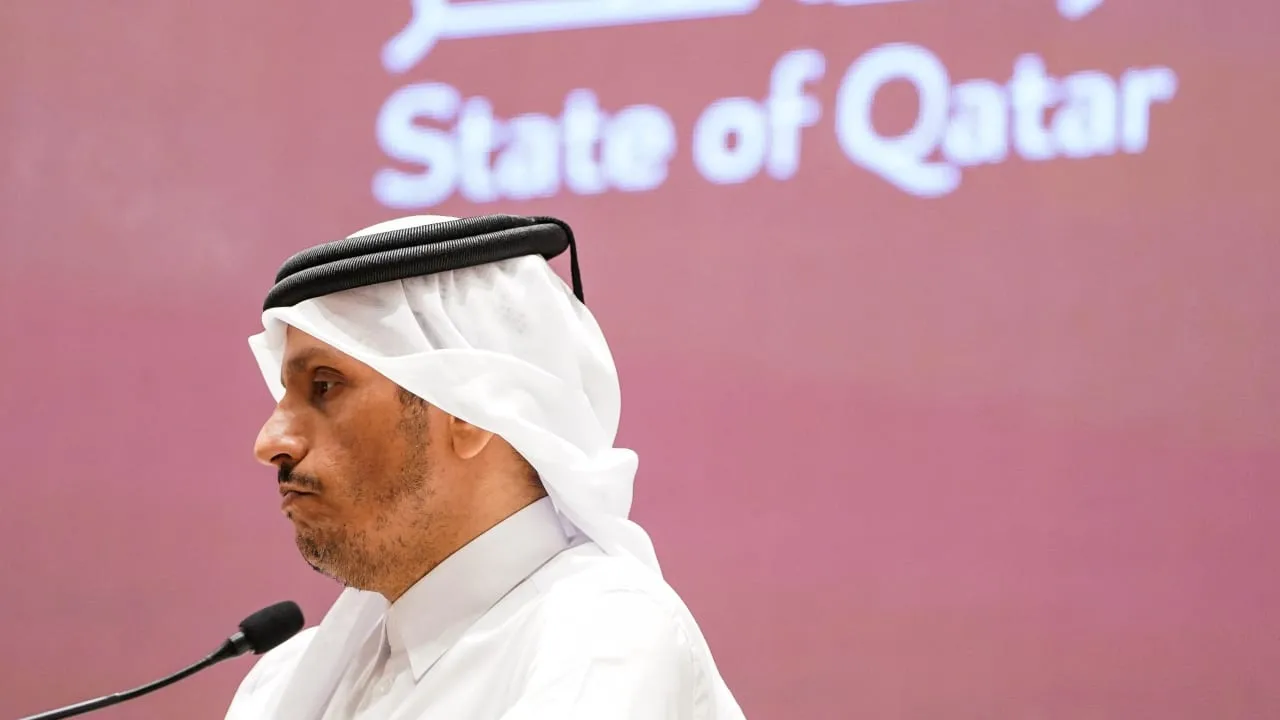
Qatar has voiced its opposition to the imposition of permanent transit fees for vessels utilizing the Strait of Hormuz. Deputy Prime Minister Sheikh Saoud bin Abdulrahman Al Thani articulated this stance during an Asian defense conference held in Singapore on Saturday. Sheikh Saoud stated, "Qatar and also the partners in the Gulf stated very clearly that charging fees will always impact the consumer, so we are against this." He added that temporary fees for purposes such as mine-clearing could be "negotiable." Sheikh Saoud also emphasized the need to develop a clear strategy with Iran for all existing relationships, including trading and political strategies. Qatar has consistently stated its opposition to permanent transit fees for the Strait of Hormuz, maintaining that such measures would ultimately burden global trade and consumers.
Stance on Transit Fees
Qatar's Deputy Prime Minister Sheikh Saoud bin Abdulrahman Al Thani conveyed the nation's objection to permanent transit fees in the Strait of Hormuz, asserting that such charges would ultimately affect consumers. Qatar and its Gulf partners have clearly stated their opposition to any move to impose these enduring fees. Sheikh Saoud indicated that short-term charges, particularly those used for specific purposes like mine clearing, could be considered. He added that temporary tolls implemented for similar purposes are negotiable. This position shows Qatar's willingness to discuss fees that address immediate security concerns while rejecting long-term financial burdens on maritime trade through the critical waterway. A top official, referring to Sheikh Saoud, further indicated that such temporary tolls for purposes like mine clearing are indeed negotiable, suggesting a pragmatic approach to specific, time-bound security needs. Qatar's firm stance is that a permanent fee would impact consumers significantly, and the nation objects to any move to impose such a lasting financial barrier on maritime passage. Short-term charges, however, specifically used for mine clearing or similar critical security purposes, can be considered for discussion.
Regional Context and Iran Tensions
The Deputy Prime Minister's comments regarding transit fees emerged amid discussions between Iran and Oman concerning the implementation of a permanent toll system for vessels navigating the Strait of Hormuz. This critical waterway has seen heightened tensions, with Iran effectively closing it following US-Israeli airstrikes that commenced in late February. These discussions between Iran and Oman regarding a permanent toll system for the Strait of Hormuz are what prompted the Qatari official's remarks. In a series of retaliatory actions, Iran has targeted military allies of the United States in the Gulf region, including Qatar, using drones and missiles. These incidents show the complex security landscape surrounding the Strait, a vital chokepoint for global oil shipments. The closure of the waterway by Iran in response to the US-Israeli airstrikes has significantly escalated regional instability, making the issue of transit fees even more sensitive. The retaliatory strikes by Iran against US military allies in the Gulf, including Qatar, with drones and missiles, further highlight the volatile environment in which these discussions are taking place.
Diplomatic Balancing Act
Qatar is actively working to balance its relationships with both Iran and its neighbors, striving to build consensus within the Gulf Cooperation Council (GCC) for a full strategy concerning Iran. The nation's diplomatic efforts focus on establishing a clear strategy and approach with Iran across all aspects of their relationship. These include both trading and political strategies, aiming for predictable and stable interactions in the region. This initiative seeks to define how Qatar and its GCC partners will engage with Iran on various fronts, underpinning regional stability. Qatar is trying to balance its ties with both nations and seek consensus within the Gulf Cooperation Council on a full strategy to deal with Iran. This delicate diplomatic balancing act is key for maintaining regional peace. Qatar aims to set up a clear strategy and a clear approach with Iran for all relationships, encompassing both trading and political strategies, to foster greater predictability and reduce tensions.
International Reaction
The United States, European nations, and Middle Eastern countries, including the United Arab Emirates, have all rejected the concept of imposing any tolls for passage through the Strait of Hormuz. Their collective stance emphasizes maintaining free navigation through the critical waterway without additional fees. This position aligns with international maritime conventions regarding freedom of passage. The US, Europe, and Middle East nations like the United Arab Emirates have firmly rejected the notion of any tolls for passage through Hormuz, reinforcing the international consensus on unimpeded maritime access. This widespread opposition from key global and regional players shows the sensitive nature of any proposed changes to the status quo in this vital shipping lane.