From the archive
Qatar Pledges Aid to Iran Amid Regional Tensions
Qatar pledged to provide all possible assistance to alleviate hardships facing the Iranian people during a visit by its Prime Minister and Foreign…
Qatar pledged on Thursday to provide all possible assistance to alleviate hardships facing the Iranian people, as its Prime Minister and Foreign Minister Sheikh Mohammed bin Abdulrahman Al Thani visited Tehran. The high-level diplomatic visit shows Qatar's ongoing commitment to regional stability and its willingness to engage with Iran on critical issues. During a meeting with Iranian President Masoud Pezeshkian, Sheikh Mohammed stated, "Qatar does not want the Iranian people to face difficulties while the countries of the region merely watch." This sentiment notes Doha's humanitarian concerns and its desire to see a resolution to the challenges faced by the Iranian populace. Iran’s Tasnim news agency quoted the Qatari official saying, "We will provide any assistance possible to alleviate the hardships of the brotherly Iranian people." The emphasis on "brotherly" relations further illustrates the depth of the ties Qatar seeks to maintain with Iran. Sheikh Mohammed's visit comes as Doha continues its diplomatic efforts to de-escalate tensions between Iran and the United States, positioning Qatar as a key mediator in the complex regional landscape.
Diplomatic Ties and Regional Stability
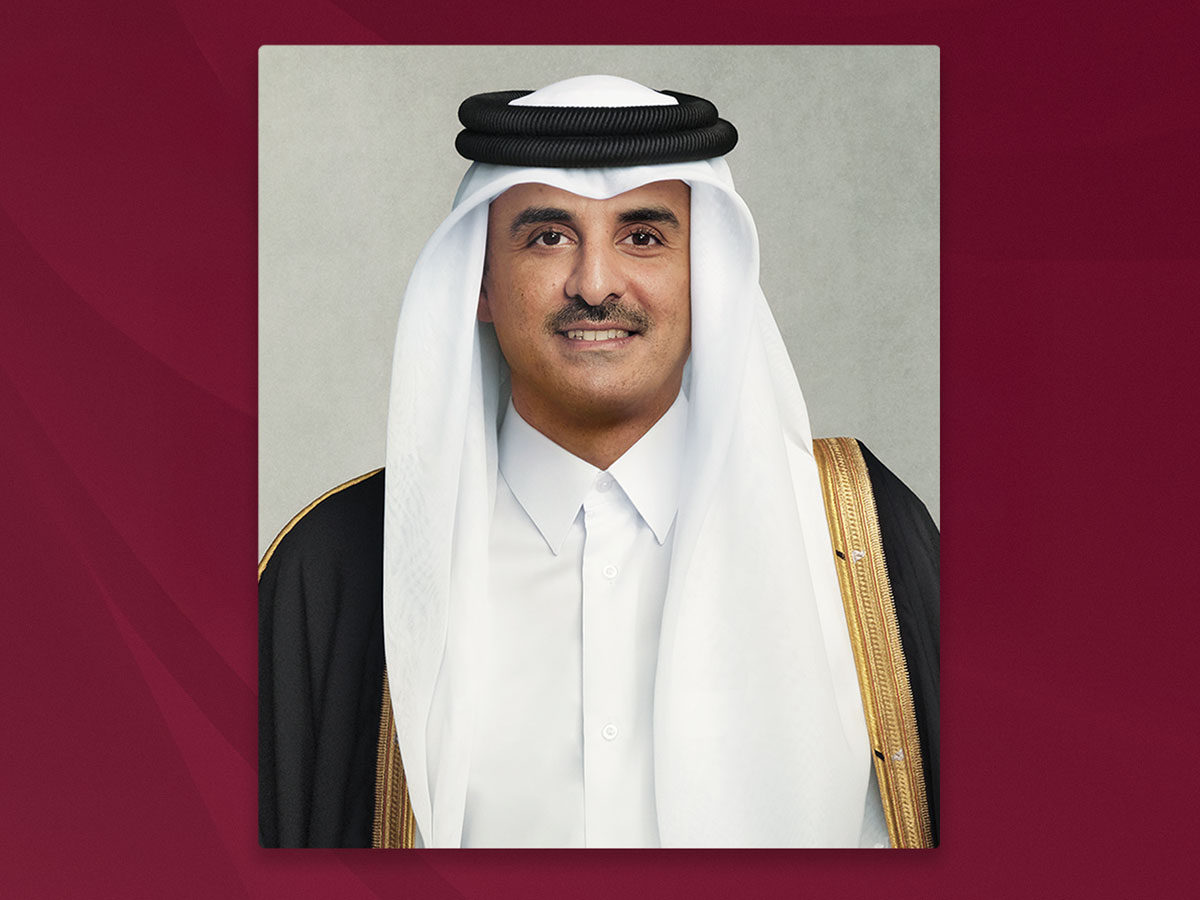
Sheikh Mohammed bin Abdulrahman Al Thani conveyed that Emir Sheikh Tamim bin Hamad Al Thani regards Iranian President Masoud Pezeshkian “as a brother,” adding that “deep and sincere respect” endures between Qatar and Iran despite recent events. This personal acknowledgement from the Qatari Emir to the Iranian President signifies the importance of bilateral relations at the highest levels. Doha is actively working to restore stability in the region, acknowledging Iran’s initiatives to engage with regional countries and its efforts to promote security and calm. Qatar recognizes Iran's outreach to neighboring states as a positive step towards fostering a more secure environment. Sheikh Mohammed bin Abdulrahman Al Thani further stated, "We hope that, through the continuation of this approach, the challenges ahead will be resolved." This expression of hope shows Qatar's belief in the power of sustained dialogue and diplomatic engagement to overcome obstacles. Qatar's Prime Minister and Foreign Minister emphasized the importance of sustained diplomatic engagement to address ongoing regional complexities, reflecting a proactive foreign policy aimed at pacification and cooperation.
Specific Issues and Past Conflicts
The Qatari premier stated that matters concerning Iranian pilots, who are claimed to have been captured by Doha, would be pursued sincerely. This specific issue, though not detailed further, points to the multifaceted nature of the relationship and the various points of contention or cooperation that may arise. This visit marks the Qatari foreign minister’s first trip to Iran since a conflict began with US and Israeli strikes in late February. The timing of the visit, following such significant regional events, notes its urgency and strategic importance. Tensions in the region have previously included Iran targeting the Al Udeid Air Base in Qatar, which hosts US military forces, in June 2025. This incident illustrates the direct impact of regional conflicts on Qatar's security infrastructure. Iran also launched retaliatory attacks on several Gulf countries, including Qatar, following US-Israeli attacks in 2026. These past events show the volatile nature of the region and Qatar's vulnerability to broader geopolitical tensions, making its mediation efforts even more critical.
Broader Geopolitical Context
The United States and Iran signed a memorandum of understanding in June following mediation efforts by Pakistan and Qatar. This agreement was a significant diplomatic achievement, showcasing the effectiveness of regional mediators. However, the implementation of this agreement has stalled due to ongoing differences regarding navigation in the strategically vital Strait of Hormuz. The failure to fully implement the memorandum notes the persistent and complex challenges in achieving lasting peace and stability. Before the conflict, approximately a fifth of global oil supplies flowed through this narrow waterway, showing its importance to international energy markets and the global economy. Any disruption in the Strait of Hormuz has broad implications, adding another layer of urgency to de-escalation efforts. The stalled agreement notes persistent challenges in de-escalating tensions between Washington and Tehran, despite diplomatic overtures from regional mediators. Qatar's continued engagement in such efforts reflects its broader strategy of fostering stability in a volatile region, as seen in its recent high-level visit to Tehran, demonstrating a consistent commitment to diplomatic solutions.