From the archive
Qatar PM to Visit Tehran for De-escalation Talks
Qatar's Prime Minister Sheikh Mohammed bin Abdulrahman al-Thani visits Tehran Thursday for talks aimed at de-escalating regional tensions.
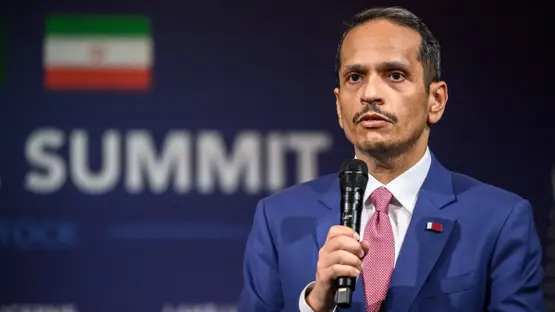
Qatari Prime Minister Sheikh Mohammed bin Abdulrahman al-Thani will travel to Tehran on Thursday for discussions aimed at de-escalating regional tensions. Qatar's foreign ministry spokesperson, Majed Al Ansari, announced the visit on Wednesday via X, confirming the high-level diplomatic effort. The trip shows ongoing concerns about stability in the region, with Qatar acting as a mediator in complex geopolitical matters. The primary purpose of the visit is to discuss concrete ways to de-escalate tensions across the broader Middle East, reflecting a proactive diplomatic stance from Doha.
High-Level Diplomatic Engagement
Sheikh Mohammed bin Abdulrahman al-Thani, Qatar's Prime Minister, is scheduled to meet with a number of Iranian officials during his visit to Tehran. The discussions are expected to focus intently on regional de-escalation efforts, according to an announcement made by Qatar's foreign ministry spokesperson, Majed Al Ansari, on Wednesday. This official confirmation was made public on the social media platform X, detailing the significant diplomatic engagement. The visit by the Qatari Prime Minister aims to directly address growing concerns regarding stability in the broader Middle East, a region frequently impacted by various geopolitical pressures. Qatar has frequently played a mediating role in regional disputes, seeking to foster dialogue among various parties and prevent further escalation. This high-level engagement reflects ongoing diplomatic efforts to mitigate potential escalations and promote peaceful resolutions in the area, emphasizing the importance of direct communication. The trip shows the importance placed on direct communication channels between regional powers to manage complex geopolitical dynamics and foster mutual understanding.
Regional Tensions Context
The visit by Sheikh Mohammed bin Abdulrahman al-Thani to Tehran comes amid heightened regional sensitivities and a palpable need for diplomatic engagement. Qatar, a prominent Gulf state, has consistently positioned itself as a neutral mediator in the Middle East, often engaging in shuttle diplomacy to ease tensions between various parties. The trip by Qatar's Prime Minister notes the ongoing efforts to maintain stability in a geopolitically complex area, where even minor incidents can have broad consequences. His discussions with Iranian officials are anticipated to focus on pathways to de-escalation, reflecting a proactive stance by Doha to prevent further instability and promote calm. This diplomatic initiative shows the perceived need for direct communication channels between regional actors, particularly given the current climate of uncertainty and interconnected challenges. Qatar's foreign ministry spokesperson, Majed Al Ansari, confirmed the purpose of the visit, emphasizing its focus on regional de-escalation and the pursuit of peaceful solutions. The engagement aims to foster dialogue and address underlying issues that contribute to regional volatility, promoting a more stable environment for all.
Qatar's Mediating Role
Qatar has frequently positioned itself as a key mediator in Middle Eastern diplomacy, often engaging with various parties to facilitate dialogue and de-escalate tensions. The Gulf state has a well-established track record of hosting talks and acting as an intermediary in complex regional disputes, a role that Doha often emphasizes as central to its foreign policy. This consistent approach has seen Qatar maintain open channels of communication with a wide array of actors, including those with strained relationships, thereby enabling key behind-the-scenes negotiations. Its diplomatic efforts are often aimed at fostering stability and preventing wider conflicts in a volatile geopolitical landscape, where the absence of dialogue can quickly lead to misunderstandings and heightened tensions. The country's leaders have repeatedly articulated a commitment to peaceful resolution and dialogue as the primary means to address regional challenges, advocating for diplomacy over confrontation. This mediating stance shows Qatar's strategic objective of promoting calm and constructive engagement among its neighbors, contributing to broader regional security and cooperation. The current visit further solidifies this established role, showcasing Qatar's dedication to active diplomacy in critical moments.