From the archive
Qatar Reaffirms Support for Middle East Diplomacy Amid Escalation
Qatar reaffirms support for Middle East diplomacy to reduce tensions and promote regional security and stability during talks with Iran.
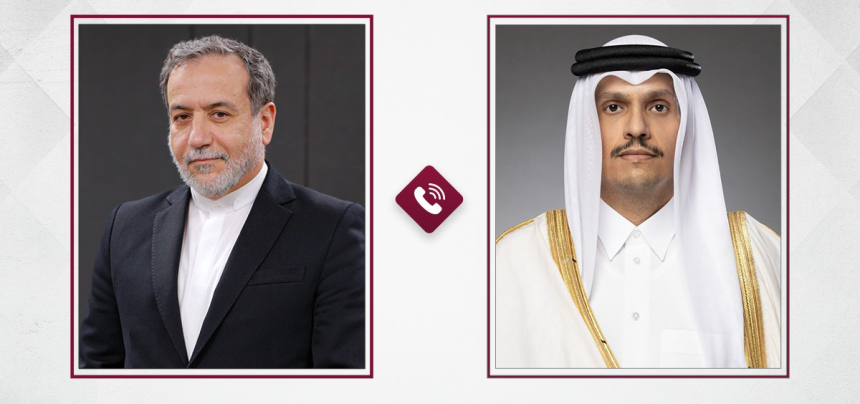
Qatar has officially reaffirmed its unwavering support for diplomatic efforts aimed at significantly reducing tensions throughout the Middle East. This commitment extends to advancing a full agreement designed to promote regional security and foster long-term stability. This significant declaration followed a key phone call between Qatari Prime Minister and Foreign Minister Sheikh Mohammed bin Abdulrahman Al Thani and his Iranian counterpart, Foreign Minister Abbas Araghchi. During their discussions, both high-ranking officials emphasized the critical importance of bolstering stability across the region through sustained and proactive diplomatic engagement. Qatar's consistent stance notes its dedication to peaceful resolutions in a volatile geopolitical landscape.
Diplomatic Discussions Detailed
The high-level discussions between Sheikh Mohammed bin Abdulrahman Al Thani and Abbas Araghchi covered a range of pressing regional issues. Central to their dialogue were the ongoing mediation efforts between the United States and Iran, a complex and sensitive matter where Qatar has frequently played a constructive role. Their exchanges also encompassed recent developments in Lebanon, a nation whose stability is key for broader regional peace. These important conversations took place during a phone call between Qatari Prime Minister and Foreign Minister Sheikh Mohammed bin Abdulrahman Al Thani and Iranian Foreign Minister Abbas Araghchi, building upon a series of previous diplomatic engagements that show the enduring nature of these communication channels. The call prominently showed Qatar's continued and active role in facilitating dialogue on critical regional matters, reinforcing its position as a key diplomatic player. The focus remained steadfastly on fostering stability through sustained diplomatic channels, noting the belief that dialogue is the most effective path forward.
Regional Tensions Mount
The phone call between the Qatari and Iranian officials occurred at a particularly sensitive moment, amid a notable escalation of renewed regional tensions. This period was marked by significant military actions, including Israeli strikes that targeted several Iranian cities early Monday morning. These strikes were reported just hours after Iran had launched its own missile attacks against Israel, creating a cycle of retaliation that raised international alarm. The precise sequence of these strikes and the specific nature of their targets further contributed to an already heightened sense of regional concern and instability. This volatile environment shows the urgent need for the diplomatic efforts championed by Qatar and other international actors.
In response to these developments, U.S. President Donald Trump publicly urged Iran to halt its missile attacks and return to the negotiating table. President Trump's statement was made amid widespread international efforts specifically aimed at containing the latest escalation between the two countries and preventing a wider conflict. The international community continues to monitor the situation closely, awaiting further developments and hoping for a de-escalation of hostilities.
Qatar's Diplomatic Stance
Qatar has consistently been an active participant in diplomatic efforts across the region, establishing itself as a reliable mediator. The country has repeatedly and unequivocally called for dialogue and de-escalation as fundamental strategies to prevent a broader and potentially catastrophic conflict. This proactive stance positions Qatar as a key intermediary in various regional disputes, often leveraging its relationships with diverse parties. These persistent efforts show Doha's unwavering commitment to fostering stability through sustained negotiation and peaceful engagement, rather than resorting to military confrontation. Qatar's diplomatic approach is firmly rooted in the belief that all parties must pursue peaceful resolutions and actively avoid further escalation in an already volatile and complex environment.
Broader Regional Context
The broader regional context for these critical diplomatic exchanges involves persistent instability and ongoing conflicts that continue to plague the Middle East. Tensions between Iran and the United States have remained consistently high, contributing significantly to a volatile and unpredictable security environment across the Gulf and beyond. Recent developments in Lebanon, including political and economic challenges, have also added to the regional complexities, prompting an increased need for diplomatic engagement and international support. Qatar's consistent involvement in mediation efforts reflects a well-established and strategic approach to encourage dialogue and de-escalation among key regional actors. The country aims to facilitate full agreements that promote lasting security and stability throughout the entire region, believing that collaborative solutions are essential for enduring peace.