From the archive
Qatar World Cup Whistleblower Claims Continued Persecution
Qatar World Cup whistleblower Abdullah Ibhais claims continued persecution, including passport confiscation and threats, after speaking out about migrant…
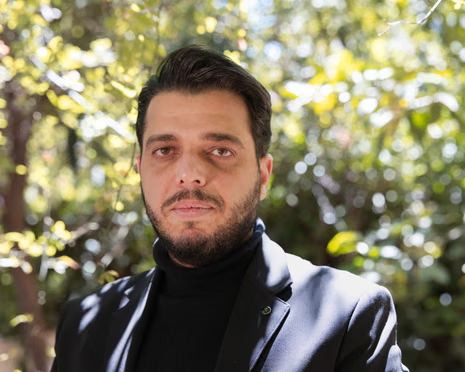
Abdullah Ibhais, a former media manager for the Supreme Committee for Delivery & Legacy, states he was stopped at Amman airport in Jordan two weeks ago and had his passport confiscated by intelligence officers. This incident occurred precisely two weeks prior to the publication of this article, adding a fresh layer to his ongoing struggles. During this encounter, the former official reported that he was explicitly instructed by the intelligence officers to cease any public mention of Qatar 2022 or the conditions faced by workers involved in the tournament. Ibhais, who had previously been asked by superiors at the Supreme Committee for Delivery & Legacy to issue a statement refuting claims that strikers were working on World Cup projects, expressed his profound dismay at this latest development. He articulated his feelings, saying, "Four years on, I thought I would be free to speak about what happened to workers and me at the Qatar tournament. I was wrong." He further elaborated on the personal cost of his advocacy, adding, "The last one cost me my freedom, and this one has already cost me my passport, my safety, and who knows what is yet to come." Ibhais asserted his core belief, stating, "All I have is my truth that the 2022 Fifa World Cup was built on the blood, sweat and tears of migrant workers." His current situation in Jordan represents a continuation of pressures he has faced since his initial involvement with the World Cup.
The World Cup's Shadowy Origins
Seven years ago, a significant labor dispute unfolded in Al-Shahaniyah, Qatar, where migrant workers initiated a strike due to severe issues with unpaid salaries. These workers reported not receiving wages for periods ranging from two to six months, noting a critical vulnerability within the labor system. These individuals were actively involved in constructing essential infrastructure designated for the 2022 Fifa World Cup, directly linking their plight to the flagship international event. This labor dispute brought to light early concerns regarding the conditions faced by those building the tournament's facilities, which would later become a focal point of international scrutiny. The financial precarity experienced by many involved in these construction efforts was stark, as salaries for these migrant workers rarely surpassed $300 (£220) per month. This meager remuneration showed the challenging economic circumstances under which they labored. The incident in Al-Shahaniyah represents an early and significant example of the labor rights issues that would later draw widespread international attention and criticism in the lead-up to the World Cup, setting a precedent for the broader human rights concerns that would emerge.
A Trial and Its Verdict
Abdullah Ibhais's involvement with the Supreme Committee for Delivery & Legacy as a media manager ultimately led to severe legal repercussions. He was charged by a Qatari state security prosecutor with serious offenses, specifically leaking defence secrets and conspiring with foreign countries. These charges initiated a legal process that would have profound consequences for Ibhais. His legal proceedings followed directly from his role and the information he possessed or was perceived to possess. The charges against Ibhais led to a formal trial and a subsequent verdict, which saw him convicted of corruption. Following this conviction, he was sentenced and subsequently jailed for three-and-a-half years.
The international community, however, raised significant concerns regarding the fairness and legitimacy of these proceedings. The UN Working Group on Arbitrary Detention later issued an opinion concerning Ibhais's situation, conducting its own assessment of the case. The group concluded that his detention was arbitrary and deemed his trial unfair, a finding that directly challenged the Qatari authorities' stance. This assessment noted significant international concerns regarding the legal process and the conditions surrounding his case, casting a shadow over the judicial outcome.
Despite the growing international attention and the UN's unequivocal opinion on the arbitrary nature of his detention and the unfairness of his trial, Fifa chose not to intervene in Ibhais's case. The global football governing body maintained its stance of non-intervention, refraining from taking any action regarding the charges and subsequent legal outcomes faced by the former media manager. This decision by Fifa was met with criticism from various human rights organizations and advocates who called for greater accountability and protection for those speaking out about labor conditions.
Ongoing Reprisals and Silence
Abdullah Ibhais was convicted of corruption and subsequently jailed for three-and-a-half years, a period that significantly impacted his life and freedom. Qatari authorities have consistently maintained a different narrative regarding Ibhais's incarceration. They have previously stated that Ibhais was jailed for soliciting bribes, not for speaking out on labor matters, attempting to decouple his conviction from his advocacy. Qatari authorities have denied that World Cup workers were involved in the strike mentioned earlier in Al-Shahaniyah, or that there was an attempted cover-up related to labor issues, directly refuting the core of Ibhais's claims. Ibhais, however, vehemently denies the allegations of soliciting bribes, asserting his innocence regarding those specific charges.
The implications of his situation extend beyond his past imprisonment. Ibhais was scheduled to speak at the Oslo Freedom Forum, a prominent international platform for human rights activists and dissidents, where he intended to share his experiences and insights. Additionally, he was due to provide testimony for a US federal court case. This testimony was intended for a case related to human trafficking in connection with the Qatar World Cup, indicating the severe nature of the issues he was prepared to address. The recent confiscation of his passport and the explicit instructions to remain silent suggest a continued effort to prevent him from publicly discussing these sensitive topics, effectively silencing a critical voice on the human rights implications of the 2022 Fifa World Cup.