From the archive
Qatar Restores Maritime Navigation After Precautionary Halt
Qatar has restored maritime navigation along its coastal areas, including Lusail City to Hamad Port and Umm Heesh to Doha Salwa, after a precautionary…
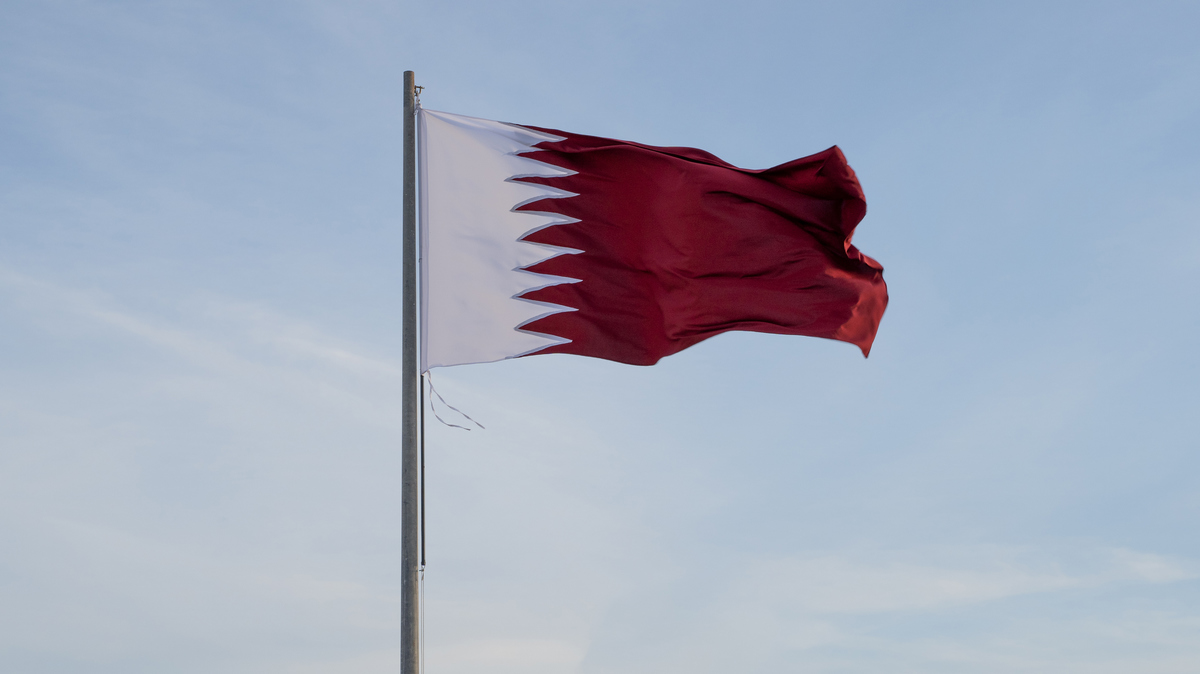
Qatar has restored maritime navigation across its coastal areas following a precautionary halt. The resumption of operations covers the eastern stretch from Lusail City to Hamad Port and the western areas from Umm Heesh to Doha Salwa. This development marks the full reactivation of sea traffic in these key regions of the Middle East country, ensuring the free movement of vessels along significant portions of its coastline. The restoration signifies a return to regular maritime activities after a temporary period of heightened security measures.
Scope of Resumption
Vessels can now resume operations within seven nautical miles from Qatar’s coastal zone, according to official announcements. This enables a broad range of maritime activities to restart, including commercial shipping, fishing, and recreational boating, across the designated areas. The reinstated access is key for the flow of goods and services through Qatar's ports and along its coastlines, supporting both domestic maritime industries and international trade routes that pass through the region. The navigational clearance applies to all types of marine craft operating in these waters, from large commercial carriers to smaller fishing vessels. This full resumption shows the authorities' confidence in the current security situation. The move follows a period of heightened security and operational adjustments, which had temporarily impacted sea traffic. The re-establishment of full navigation is expected to bolster economic activities reliant on maritime transport and fishing.
Reason for Previous Halt
Doha had previously halted all traffic near its coastal areas. This measure was implemented as a precautionary step by authorities in Qatar. The decision to stop maritime activity stemmed from ongoing security concerns impacting the broader Middle East region. The temporary suspension affected all types of vessels operating in the designated coastal zones. This included commercial ships, fishing boats, and recreational craft, all of which were restricted from navigating these waters for a period. The precautionary halt was deemed necessary to ensure safety and security amidst the regional environment, reflecting a proactive approach to potential threats. The move showed the authorities' vigilance regarding maritime operations in its territorial waters, prioritizing national security and the safety of all seafarers. The measure was part of a broader effort to manage potential risks in a complex geopolitical landscape, demonstrating Qatar's commitment to safeguarding its maritime domain.
Exemptions and Regulations
Vessels are now permitted to access Qatari ports, anchorages, and other marine facilities, marking a return to normal operational status. This resumption allows for the full utilization of the country's maritime infrastructure by various seafaring crafts, facilitating trade and transport. Authorities have clarified that vessels operating in accordance with international maritime conventions and adhering to established regulations and procedures are specifically exempted from any previous restrictions. This exemption ensures that legitimate maritime trade and activities can proceed unhindered, provided they meet the stipulated international and local guidelines. The policy shows Qatar's commitment to facilitating global shipping while maintaining security protocols within its territorial waters. The move aims to streamline maritime traffic and support economic activities reliant on sea access, ensuring that essential goods and services can continue to move efficiently through Qatar's strategic waterways. This careful balance between security and open navigation is central to Qatar's maritime policy.