From the archive
Qatar Seeks to De-escalate Iran-US Tensions in Tehran Talks
Qatar's Foreign Minister met Iranian officials in Tehran to discuss de-escalating Iran-US tensions and ensuring freedom of navigation in the Strait of…
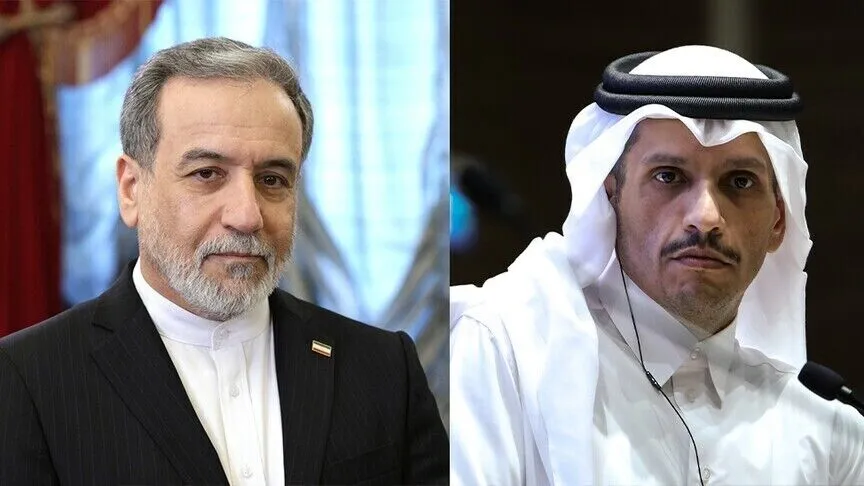
Qatari Foreign Minister Sheikh Mohammed bin Abdulrahman bin Jassim Al Thani met with his Iranian counterpart Abbas Araghchi in Tehran on Thursday. The visit, also undertaken by Sheikh Mohammed in his capacity as Qatar’s prime minister, occurred as Doha continued efforts to de-escalate tensions between Iran and the United States. Qatari Foreign Ministry spokesman Majed Al Ansari stated Sheikh Mohammed would meet Iranian officials to discuss ways to reduce tensions and create conditions conducive to dialogue. Mr. Al Ansari added that the talks would also address freedom of navigation in the Strait of Hormuz, a critical waterway for global energy supplies.
Diplomatic Mission Details
The discussions in Tehran were set to address the necessity of restoring the Strait of Hormuz waterway to its status quo prior to February 28, according to statements from Doha. This particular date is significant as it marks a period before a recent escalation in hostilities in the region. The diplomatic visit marks Sheikh Mohammed bin Abdulrahman bin Jassim Al Thani’s first trip to Iran since the conflict between Washington and Tehran intensified with US and Israeli strikes on Iran in late February. His presence shows the gravity of the current situation and Qatar's proactive role in seeking a resolution. The Qatari foreign minister’s presence in Tehran shows Qatar's ongoing commitment to mediating regional disputes and fostering stability. Doha has consistently positioned itself as a neutral broker in complex geopolitical situations, seeking to facilitate dialogue between opposing parties and prevent further escalation. This role is particularly vital given the interconnected nature of regional security.
Background to Conflict
Tensions between the United States and Iran escalated last month when the US resumed military attacks on Iranian targets. These renewed strikes marked a significant downturn in relations after a period of relative calm. Tehran subsequently responded to these strikes by attacking US military assets located in Arab countries allied with Washington, further exacerbating the cycle of retaliation. These recent events follow a period earlier in the year when the US and Iran had signed a memorandum of understanding in June. This memorandum represented a concerted effort to establish a framework for de-escalation. Pakistan and Qatar played a key role in mediating this memorandum, which aimed to establish a framework for de-escalation between the two nations, demonstrating the importance of regional diplomatic efforts. The current renewed hostilities show the fragility of regional stability despite previous diplomatic efforts, noting the challenges in maintaining peace in a volatile geopolitical landscape. The re-escalation has raised concerns among international observers about the potential for broader conflict.
Strait of Hormuz Significance
The Strait of Hormuz is a key maritime chokepoint connecting the Persian Gulf to the open ocean, making it strategically vital for global energy markets. A significant portion of the world's seaborne oil passes through this narrow waterway, influencing international trade and energy security. Qatar, like other regional states, relies on the Strait for its liquefied natural gas (LNG) exports, showing its economic importance. Any disruption to the Strait's operations could have broad economic consequences for Doha and other energy-exporting nations. Disruptions in the Strait of Hormuz can lead to substantial increases in oil prices and impact supply chains worldwide, affecting nations far beyond the immediate region. The ongoing tensions involving Iran and the United States frequently raise concerns about potential threats to freedom of navigation in this critical passage, prompting international calls for restraint. Maintaining stability and ensuring safe transit through the Strait remains a key priority for international diplomacy and regional stakeholders like Doha, who are directly impacted by its security.