From the archive
Qatar Warns Against Using Hormuz Strait as 'Bargaining Chip'
Qatar's Prime Minister warns against using the Strait of Hormuz as a bargaining chip, stressing freedom of navigation is a non-negotiable principle vital…
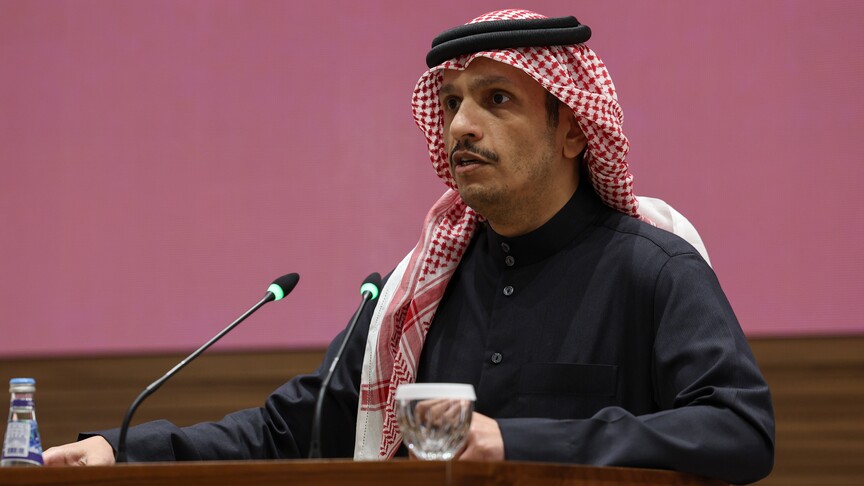
Qatari Prime Minister Sheikh Mohammed bin Abdulrahman Al Thani warned on Sunday against using the Strait of Hormuz as a “bargaining chip,” stating that such actions would deepen the regional crisis. Sheikh Mohammed conveyed this critical message during a phone conversation with Iranian Foreign Minister Abbas Araghchi, emphasizing that closing the strait would threaten the vital interests of countries in the region. He described the free passage through the waterway as "a firmly established principle that is not open to compromise." This principle, he showed, is fundamental to regional economic stability and international trade.
Regional Security Talks
During their full discussion, the two officials reviewed ongoing efforts aimed at achieving peace and enhancing regional security and stability. Sheikh Mohammed bin Abdulrahman Al Thani reiterated Qatar’s position regarding regional stability and the imperative of de-escalation. Qatar’s Foreign Ministry stated that the Prime Minister expressed "full support for efforts aimed at reaching a full agreement to end the crisis." This statement shows Doha's unwavering commitment to diplomatic resolutions for regional challenges and its proactive role in fostering dialogue. The dialogue between Sheikh Mohammed and Iranian Foreign Minister Abbas Araghchi touched upon various aspects of cooperation to foster a more secure environment in the Gulf region, noting the mutual desire to prevent further escalation. The exchange noted shared concerns about de-escalation and the importance of collective action to prevent further instability, particularly in light of recent tensions. Both leaders acknowledged the delicate regional dynamics and the necessity for strong diplomatic channels to navigate complex issues.
Escalating Tensions and Ceasefire
Regional tensions have significantly escalated since the US and Israel launched strikes against Iran in February, marking a period of heightened military activity. In response to these actions, Tehran retaliated with strikes targeting Israel and US allies in the Gulf, alongside the closure of the Strait of Hormuz, a critical choke point for global oil shipments. This closure further exacerbated fears of a wider regional conflict. A ceasefire subsequently took effect on April 8, mediated by Pakistan, offering a glimmer of hope for de-escalation. Despite the truce, talks held in Islamabad—the capital of Pakistan and the designated venue for these key discussions—failed to produce a lasting agreement between the parties. Following these challenging discussions, US President Donald Trump later extended the truce indefinitely in an effort to maintain stability and create a more conducive environment for future negotiations. This extension was seen as a measure to prevent an immediate return to hostilities while diplomatic efforts continued.
Qatar's Stance on Navigation
Prime Minister Sheikh Mohammed bin Abdulrahman Al Thani emphasized that freedom of navigation represents "a firmly established principle that is not open to compromise." He conveyed this during his recent discussions, showing Qatar's steadfast position on unimpeded passage through vital waterways, particularly the Strait of Hormuz, which is key for international maritime trade. The Prime Minister stressed the necessity for all concerned parties to engage constructively with mediation efforts. Qatar’s Foreign Ministry stated that Sheikh Mohammed noted the importance of responding to these initiatives "in a way that contributes to achieving lasting peace and stability in the region." He further stressed the need for all parties to respond positively to these mediation efforts, recognizing their potential to avert further conflict. This approach aims to foster a durable resolution to ongoing tensions and ensure regional security, protecting the economic interests and stability of all nations in the Gulf. Qatar continues to advocate for dialogue and diplomacy as the most effective means to address the complex security challenges facing the region.