From the archive
Qatari Mediators in Tehran to Finalize US-Iran Deal, Electronic Signing Expected Within 24 Hours
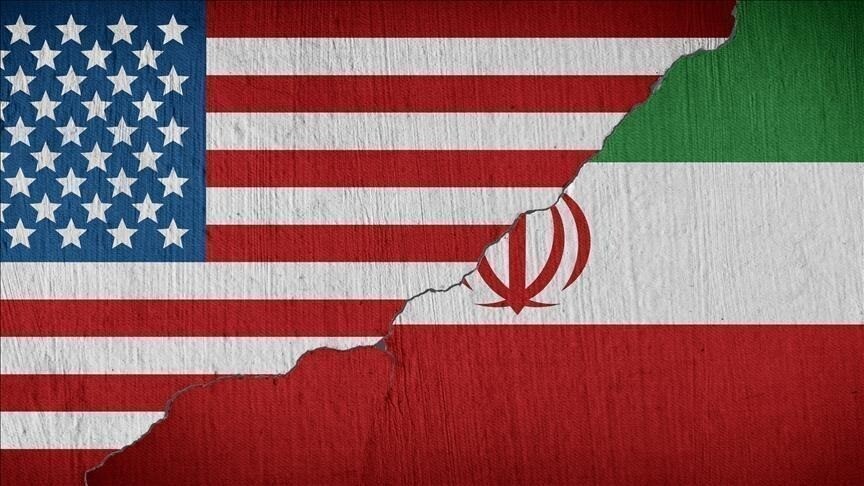
Qatari mediators are in Tehran to finalize a US-Iran deal, with an electronic signing expected within 24 hours, according to a source.
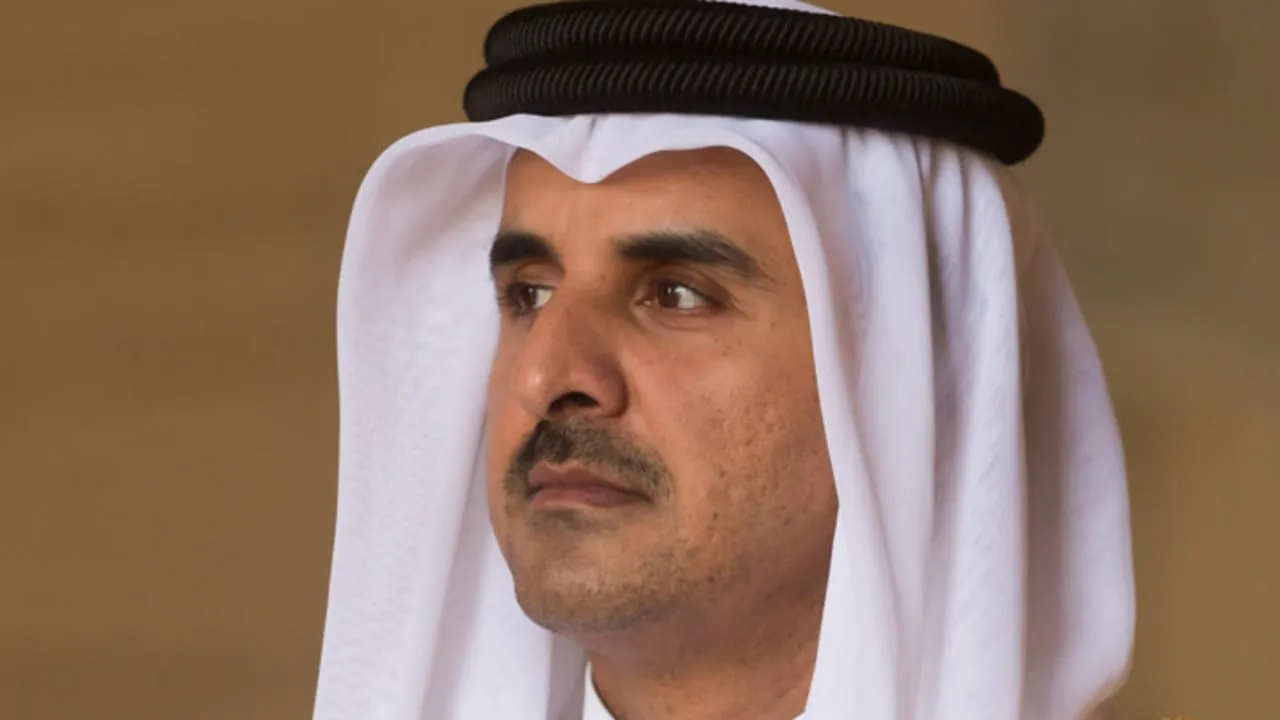
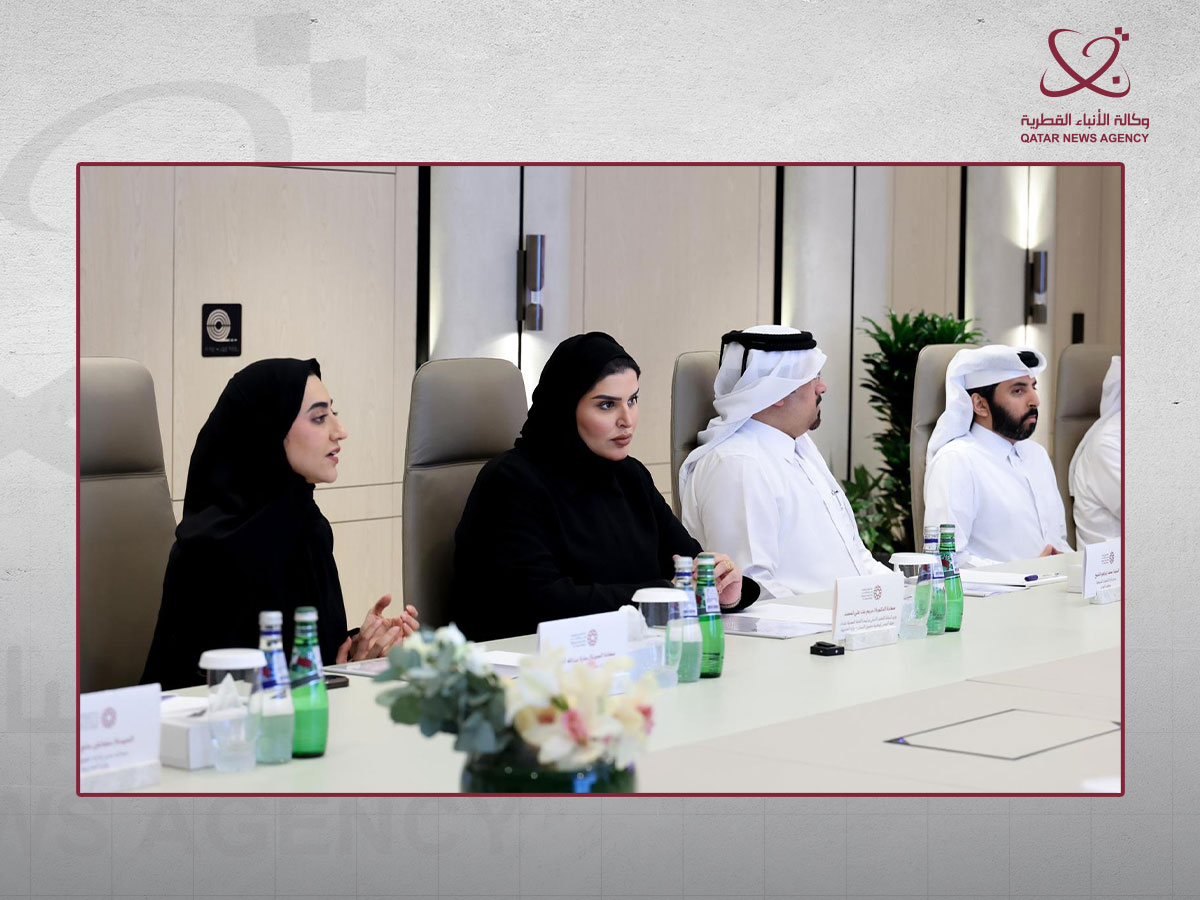
Qatari negotiators arrived in Tehran on Sunday to help finalize a deal between the United States and Iran, a source told CNN on Sunday morning. The visit follows an announcement by Trump on Saturday that an agreement was "very likely" to be signed virtually "within 24 hours" to avoid potential delays that could derail negotiations. The Qatari mediators are facilitating the process in coordination with the US, having headed to Tehran specifically to help facilitate the sensitive diplomatic efforts. This high-level intervention shows the urgency and complexity of the ongoing discussions between Washington and Tehran.
Donald Trump, in his announcement, stated that his agreement with Iran is "the exact opposite" of what he claimed would have been "an easy, beautiful, smooth road to a Nuclear Weapon." He asserted, "A WALL TO NO NUCLEAR WEAPON!" Trump further claimed that Iran "no longer want a Nuclear Weapon, nor will they have one, either through purchase, development, or any other form of procurement." He emphasized that "no money will exchange hands" in the deal, contrasting it with what he called "Hundreds of Billions of Dollars" and "1.7 Billion Dollars in green, cold cash" from previous dealings. Trump showed that this deal represented a significant departure from past approaches, particularly those of the Obama administration.
Deal Details and Logistics
Plans for an in-person signing of the deal were scrapped due to logistical issues, with the deal instead set to be signed virtually in the hopes of avoiding delays that could derail negotiations. An electronic signing is now expected within the next 24 hours, with technical-level talks to follow next week, according to Pakistani Prime Minister Shehbaz Sharif. Pakistan is preparing for the virtual signing, which aims to formalize the agreement between the United States and Iran. This virtual format was chosen to circumvent potential obstacles that might arise from an in-person meeting, ensuring the process moves forward swiftly.
US officials stated that if a memorandum of understanding is signed between Washington and Tehran, it would initiate a new 60-day period of negotiations. This subsequent phase would focus on implementing the framework outlined in the agreement. The diplomatic efforts are aimed at establishing a basis for future discussions between the two nations regarding the accord's practical application, ensuring that the initial agreement leads to tangible outcomes. This 60-day window is critical for both sides to iron out the specifics and build confidence in the long-term viability of the deal. The involvement of Qatari mediators in Tehran is seen as key for navigating these intricate stages of negotiation.
Trump's Stance on Agreement
Donald Trump showed that his agreement with Iran significantly differed from the previous administration's approach. Trump stated that his deal was "the exact opposite" of what he claimed would have led to "an easy, beautiful, smooth road to a Nuclear Weapon, which Iran would have had six years ago, and would have used long before now." He emphasized this distinction, declaring, "My Agreement with Iran is the exact opposite, A WALL TO NO NUCLEAR WEAPON!" This strong rhetoric notes his perceived success in altering the trajectory of Iran's nuclear ambitions.
Trump further asserted that Iran "no longer want[s] a Nuclear Weapon, nor will they have one, either through purchase, development, or any other form of procurement," a claim central to his administration's foreign policy objectives regarding the Middle East. He contrasted his deal with the Obama administration's handling of Iran, accusing then-president Barack Obama of paying "Hundreds of Billions of Dollars" to the country, "including 1.7 Billion Dollars in green, cold cash." For his own agreement, Trump stated explicitly that "no money will exchange hands," positioning his deal as financially advantageous for the United States and devoid of direct monetary incentives for Iran. He emphasized that this financial aspect was a key differentiator from prior agreements, reinforcing his narrative of a tougher, more effective negotiation strategy.
Iranian Official's Statement
Iran's Foreign Ministry spokesperson Esmaeil Baghaei denied that the Islamabad memorandum would take place on Sunday, state media reported. The denial from the Iranian official comes amidst reports of Qatari mediators in Tehran working to finalize a deal between the United States and Iran. Earlier, Pakistani Prime Minister Shehbaz Sharif had indicated that an electronic signing of the agreement was expected within 24 hours, with technical-level discussions planned for the following week. However, Baghaei's statement casts doubt on the immediate timeline for the reported "Islamabad memorandum."
The specific details of the memorandum, and why it is referred to as "Islamabad memorandum" in this context when the deal involves the US and Iran and is being mediated by Qatar, remain unclear from the Iranian official's statement. This development suggests potential discrepancies or differing interpretations between the parties involved regarding the next steps in the diplomatic process, particularly concerning the timing and formal nomenclature of the agreement. The involvement of Qatari negotiators in Tehran, as reported by CNN, indicates active engagement despite the Iranian official's denial regarding the specific "Islamabad memorandum" taking place on Sunday. This notes the fluid and often complex nature of high-stakes international negotiations, where public statements may not always align perfectly with ongoing back-channel diplomacy.