From the archive
Qatari Pilgrims Mark Hajj's Climax at Mount Arafat
Qatari pilgrims joined millions at Mount Arafat for the Hajj's climax, engaging in prayer and reflection on the sacred hill near Makkah.
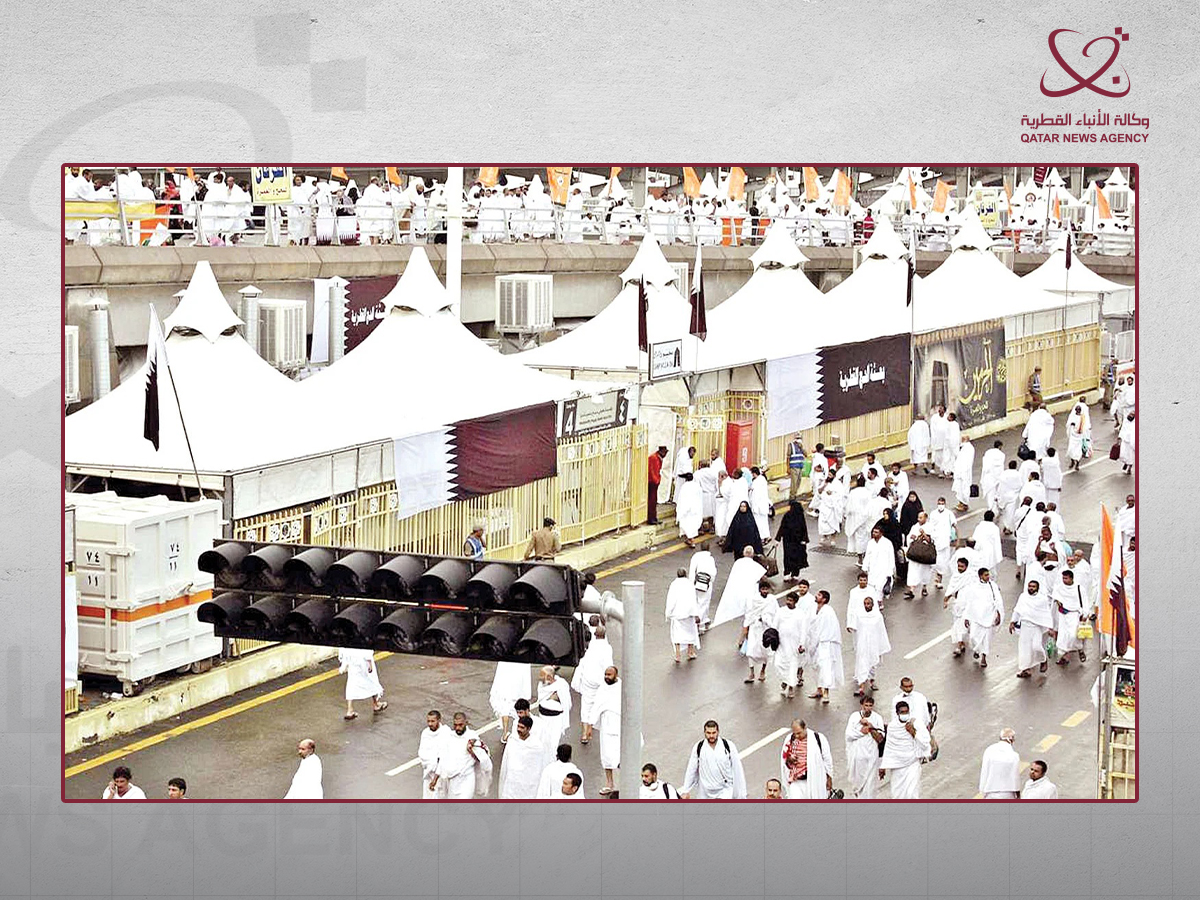
Pilgrims from Qatar joined millions of worshipers from around the world at Mount Arafat on Tuesday, performing the most significant ritual of the annual Hajj pilgrimage. The gathering marked the climax of the spiritual journey, which requires pilgrims to spend the day in prayer and reflection on the sacred hill near Makkah, Saudi Arabia. This key day of devotion is considered the spiritual peak of the Hajj, symbolizing a stand before God and seeking forgiveness for sins. The presence of pilgrims from Qatar alongside the global congregation shows the universal nature of the Hajj, bringing together diverse communities in a shared act of faith and devotion. Throughout the day, Mount Arafat transforms into a vast sea of white-clad pilgrims, all unified in their spiritual quest and commitment to fulfilling one of the five pillars of Islam.
Rituals and Next Steps
Pilgrims will perform Dhuhr and Asr prayers, combined and shortened according to the tradition of Prophet Muhammad (PBUH) of Islam. They will spend the day in supplication and recitation of the Quran at Mount Arafat before heading to Muzdalifah after sunset. Pilgrims travel to Muzdalifah on the 9th of Dhu Al-Hijjah. There, they will spend the night under the open sky and gather pebbles for the Jamarat stoning ritual, which is a significant part of the pilgrimage. This overnight stay is a key segment of the Hajj, offering pilgrims a period of rest and preparation for the subsequent rituals. The Jamarat ritual, involving the symbolic stoning of pillars representing the devil, is performed over several days and signifies a rejection of evil and sin. Following Muzdalifah, pilgrims proceed to Mina to continue the remaining Hajj rites, including the animal sacrifice and circumambulation of the Kaaba, known as Tawaf Al-Ifadah.
Pilgrimage Logistics and Support
Qatar’s Hajj mission stated it is implementing a full operational plan designed to ensure the safety and comfort of pilgrims throughout the pilgrimage. This plan addresses various logistical needs for the duration of the Hajj rituals, from transportation and accommodation to medical care and spiritual guidance. The mission has deployed medical clinics across the holy sites to provide healthcare to pilgrims. Alongside these clinics, ambulance services are available to transport individuals requiring further medical attention. Rapid-response paramedics have also been stationed at key locations to ensure immediate medical intervention when necessary. The full medical setup is key given the physical demands of the pilgrimage and the large number of participants. The mission also provides round-the-clock support and communication services, ensuring pilgrims have access to assistance whenever needed during their spiritual journey. This continuous support system is vital for addressing any issues that may arise, providing peace of mind to the pilgrims and their families.
Saudi Management and Pilgrim Experience
Muzdalifah, a sacred open plain, is situated between Mount Arafat and Mina in Saudi Arabia, and serves as a vital and obligatory station during the Hajj pilgrimage. Its strategic location facilitates the flow of pilgrims between these key Hajj sites. Officials praised the efforts of Saudi authorities in managing crowds and providing extensive health, security, and logistical services. These services were key in facilitating the movement of pilgrims throughout the Hajj season, ensuring a smooth and safe experience for millions of worshipers. The careful planning and execution by Saudi authorities involve coordinating vast transportation networks, providing adequate water and food supplies, and maintaining security across all holy sites. This extensive infrastructure and support system is essential for accommodating the massive influx of pilgrims from around the globe, allowing them to focus on their spiritual duties without undue concerns about their well-being or safety. The successful management of such a large-scale event is a testament to the organizational capabilities deployed each year for the Hajj.