From the archive
Qatar's Father Emir Sheikh Hamad bin Khalifa Al Thani Dies at 74
Qatar's Father Emir Sheikh Hamad bin Khalifa Al Thani has died at the age of 74. His transformative reign reshaped the Gulf nation.
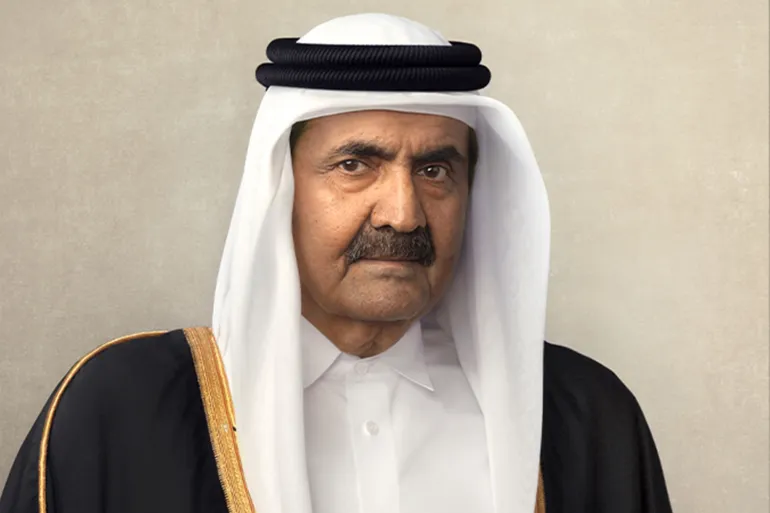
Qatar’s Father Emir Sheikh Hamad bin Khalifa Al Thani has died at the age of 74. The passing of His Highness the Father Amir Sheikh Hamad bin Khalifa Al Thani was reported on July 12, 2026, marking a moment of national mourning for the Gulf state. His legacy as a transformative leader is widely acknowledged both within Qatar and across the international community.
A Transformative Reign
Sheikh Hamad bin Khalifa Al Thani governed Qatar from 1995 until 2013, a period spanning nearly two decades. His rule was characterized by significant economic and social reforms that profoundly reshaped the Gulf nation. Under his visionary leadership, Qatar strategically leveraged its vast natural gas reserves, particularly from the North Field, to transform into one of the world's wealthiest countries per capita. The period saw a dramatic increase in infrastructure development, including the establishment of world-class educational institutions like Education City and advanced healthcare facilities, significantly improving the quality of life for Qatari citizens.
During his tenure, Sheikh Hamad also oversaw the creation of influential institutions such as the Qatar Investment Authority (QIA), which strategically invested the nation's wealth globally, diversifying its economic interests and securing its future prosperity. Another landmark achievement was the founding of the Al Jazeera Media Network, which became a prominent and often controversial voice in international news, significantly raising Qatar's global profile. The country's diplomatic influence expanded considerably during these years, with Qatar playing an increasingly active role in regional mediation and international affairs, hosting major conferences and facilitating peace efforts. In 2013, in a rare move for a monarch in the region, he voluntarily abdicated the throne, handing power to his son, Sheikh Tamim bin Hamad Al Thani, ensuring a smooth and peaceful transition of leadership.
Official Announcement Details
The Amiri Diwan officially announced the death of Qatar's Father Emir Sheikh Hamad bin Khalifa Al Thani. This formal announcement from the sovereign body showed the gravity of the loss for the nation. In a statement released on July 12, 2026, the Amiri Diwan expressed profound sorrow and a deep sense of national grief. "With hearts steadfast in faith in God’s decree and destiny, the Amiri Diwan mourns the great loss to the nation of the late – may God have mercy on him – His Highness the Father Amir Sheikh Hamad bin Khalifa Al Thani, who passed away this morning," the announcement stated. The declaration confirmed the passing of the 74-year-old former ruler, who had led Qatar from 1995 until his abdication in 2013. The Amiri Diwan, as the official channel for communications on behalf of the Qatari state and its ruling family, played a key role in informing the public and the world of this significant event.
Legacy and Impact
During his reign, Sheikh Hamad bin Khalifa Al Thani oversaw significant economic, social, and cultural development within Qatar, fundamentally transforming the nation's trajectory. This period of unprecedented growth not only improved domestic living standards but also profoundly bolstered Qatar's status within the international community. The transformation was evident across various sectors, from the strategic utilization of its natural gas reserves to the establishment of key institutions that projected Qatari influence globally. These developments contributed to Qatar's emergence as a prominent player on the global stage, enhancing its diplomatic influence and economic standing far beyond its geographical size. The Father Emir's leadership is widely credited with laying the groundwork for Qatar's modern identity and its strong role in regional and international affairs, leaving an indelible mark on the nation he so diligently served. His vision shaped a prosperous and influential Qatar, securing its position as a key actor in the 21st century.