From the archive
Qatar Joins Iran-Oman Talks on Strait of Hormuz Navigation
Qatar joins Iran and Oman in Muscat talks to discuss navigation in the Strait of Hormuz, aiming for a statement on opening the median lane for free…
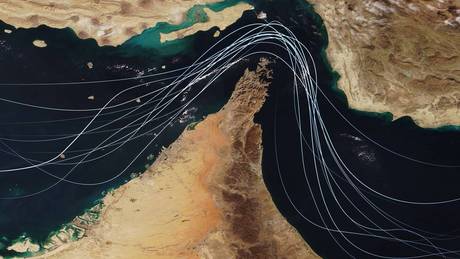
Qatari officials are participating in ongoing discussions between Iran and Oman in Muscat concerning the Strait of Hormuz. The talks aim to address matters related to navigation through the strategic waterway, a critical conduit for global maritime trade and energy shipments. Qatar's involvement expands the diplomatic efforts to ensure stability and safety in the critical shipping lane, showing the regional importance of these deliberations. The tripartite engagement notes a concerted effort by these Gulf nations to foster dialogue and establish common ground on a matter of international concern.
Navigational Freedoms Discussed
The discussions between Qatar, Iran, and Oman in Muscat are centered on a potential statement regarding the full opening of the "median lane" within the Strait of Hormuz. This initiative aims to address navigational freedoms in the critical waterway, which is vital for global energy shipments and a significant portion of the world's oil supply. Deliberations involve the practicalities and implications of such a measure for maritime traffic, considering the high volume of vessels that traverse the Strait daily. The participating nations are exploring the framework for this statement and its potential impact on regional shipping protocols, seeking to establish clear guidelines for unimpeded passage. The focus on the 'median lane' signifies a specific and actionable aspect of improving maritime security and predictability within the Strait.
Strait of Hormuz Significance
The 'median lane' within the Strait of Hormuz, central to the ongoing talks in Muscat, is situated in international waters. This designation is critical for deliberations concerning navigational freedoms and maritime traffic through the strategic waterway, as it implies certain rights and responsibilities under international law. The discussions involving Qatar, Iran, and Oman are exploring the implications of fully opening this lane, aiming to establish a framework that ensures unimpeded passage for all vessels. The international status of the median lane shows the regional and global significance of these negotiations for shipping protocols and energy transport, as any disruption in this area can have broad economic consequences. The Strait connects the Persian Gulf with the Arabian Sea and the broader Indian Ocean, making it an indispensable route for global commerce.
Diplomatic Engagement in Muscat
The diplomatic efforts in Muscat are primarily focused on achieving full and free movement for vessels through the Strait of Hormuz. This objective underpins the ongoing discussions between Qatari, Iranian, and Omani officials, who are working towards a shared understanding on maritime conduct. The talks are centered on crafting a statement that would solidify navigational freedoms in the critical waterway, which is essential for global maritime trade and energy shipments. Such a statement would serve as a formal commitment by the participating nations to uphold international principles of free navigation.
Ensuring unimpeded transit through the Strait of Hormuz is a key outcome sought by all parties involved in the Muscat dialogue. The discussions are exploring the operational and legal frameworks necessary to guarantee universal access for shipping, thereby enhancing stability and predictability in the region. The emphasis on full and free movement reflects the international community's interest in maintaining the Strait's status as a vital international shipping lane, key for the flow of goods and energy worldwide. Participants are deliberating on the specifics of how such a commitment would be implemented and monitored to prevent future disruptions, ensuring that the Strait remains open and safe for all maritime traffic. This collaborative approach aims to strengthen regional cooperation and contribute to global maritime security.