From the archive
Qatar's Flourishing Literary Scene Empowers Young Authors
Qatar's cultural scene is actively supporting young authors through initiatives and publishing houses, fostering a growing literary movement and new…
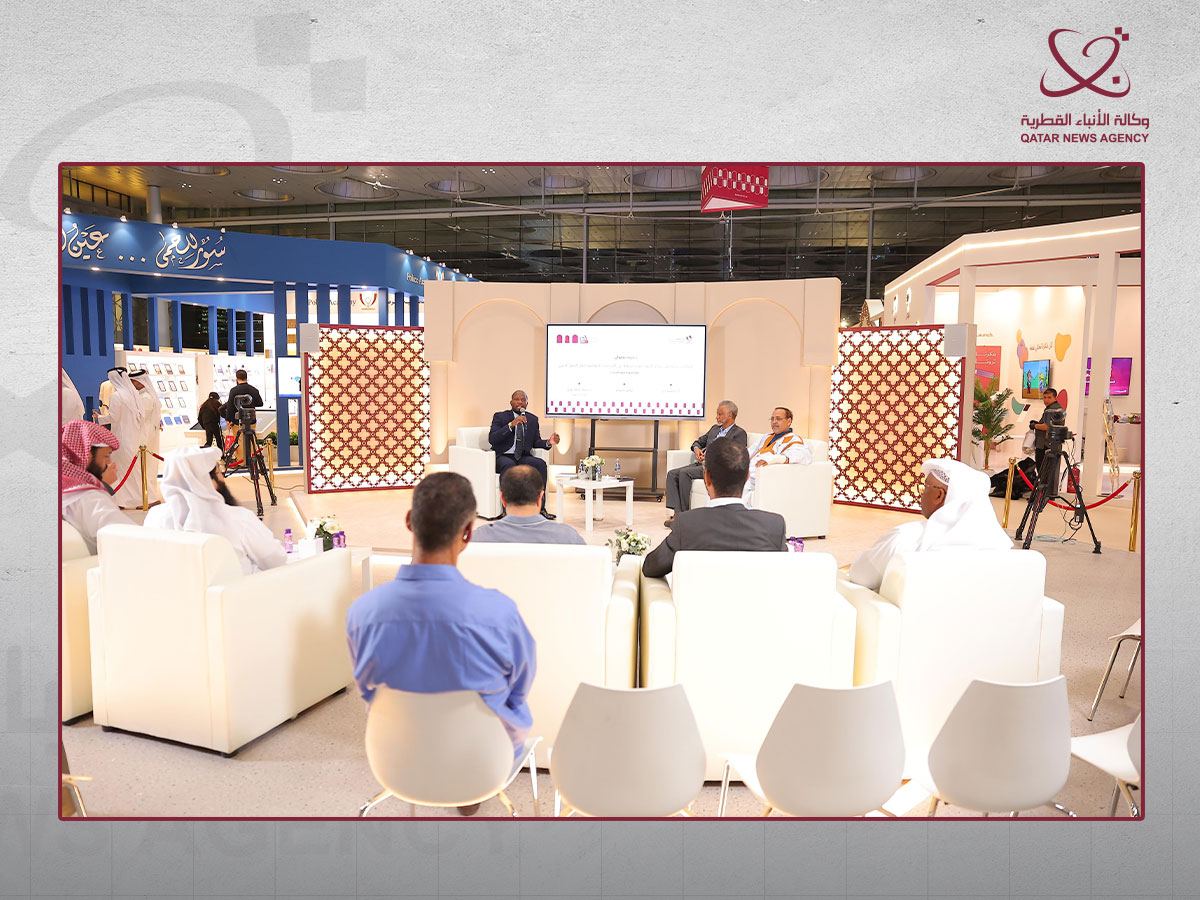
Qatar's cultural scene is witnessing increasing momentum in publishing and supporting young literary talents, according to officials, publishers, and Qatari writers. Indeed, officials, publishers, and Qatari writers have stated that Qatar's cultural scene is developing significantly in supporting young writers and embracing their first experiences. This growth is attributed to a rise in cultural initiatives, local publishing houses, and intellectual forums, which collectively have opened doors for a new generation of writers to present their first experiences and reach readers. The increasing presence of these cultural initiatives and local publishing houses, alongside active intellectual forums, has fostered an environment conducive to literary exploration. The developing environment significantly supports young authors and embraces their initial works. This contributes to strengthening the literary movement and noting new voices within the local cultural landscape, providing a fertile ground for emerging talents to flourish.
Government and Forum Initiatives
The Ministry of Culture's vision focuses on empowering young talents and refining their literary skills, according to official statements. This strategic vision shows a commitment to nurturing the next generation of Qatari authors. The Qatari Forum for Authors supports this objective by aiming to build a generation of writers capable of contributing effectively to the cultural movement within Qatar. The Forum provides an integrated system designed to nurture literary talent, starting from idea incubation and extending through cultural consultations. This integrated system is full, guiding authors through various stages of their creative journey, ensuring that promising literary voices receive the support necessary to develop their craft.
This support system includes text review and development, coordination with publishers, and overseeing production stages such as design, layout, and printing. These multifaceted services are key for transforming raw talent into polished literary works ready for public consumption. Maryam bint Abdullah Al-Attiyah, a writer, stated the importance of further institutional support for emerging authors. "There is a need for specialized institutes to develop writing skills and refine literary talents in new generations," Al-Attiyah said. These specialized institutes would complement existing initiatives, providing dedicated spaces and programs for skill enhancement. Beyond nurturing individual writers, these programs also aim to encourage reading and develop writing and creativity tools across the broader community. These initiatives are creating a more supportive environment for young authors, offering services that include editing, training, printing, and distribution, thereby streamlining the path from manuscript to published work. The encouragement of reading and the development of writing and creativity tools are seen as vital for fostering a vibrant literary ecosystem, ensuring both the creation of new works and their appreciation by the public.
Publishing Houses Support New Voices
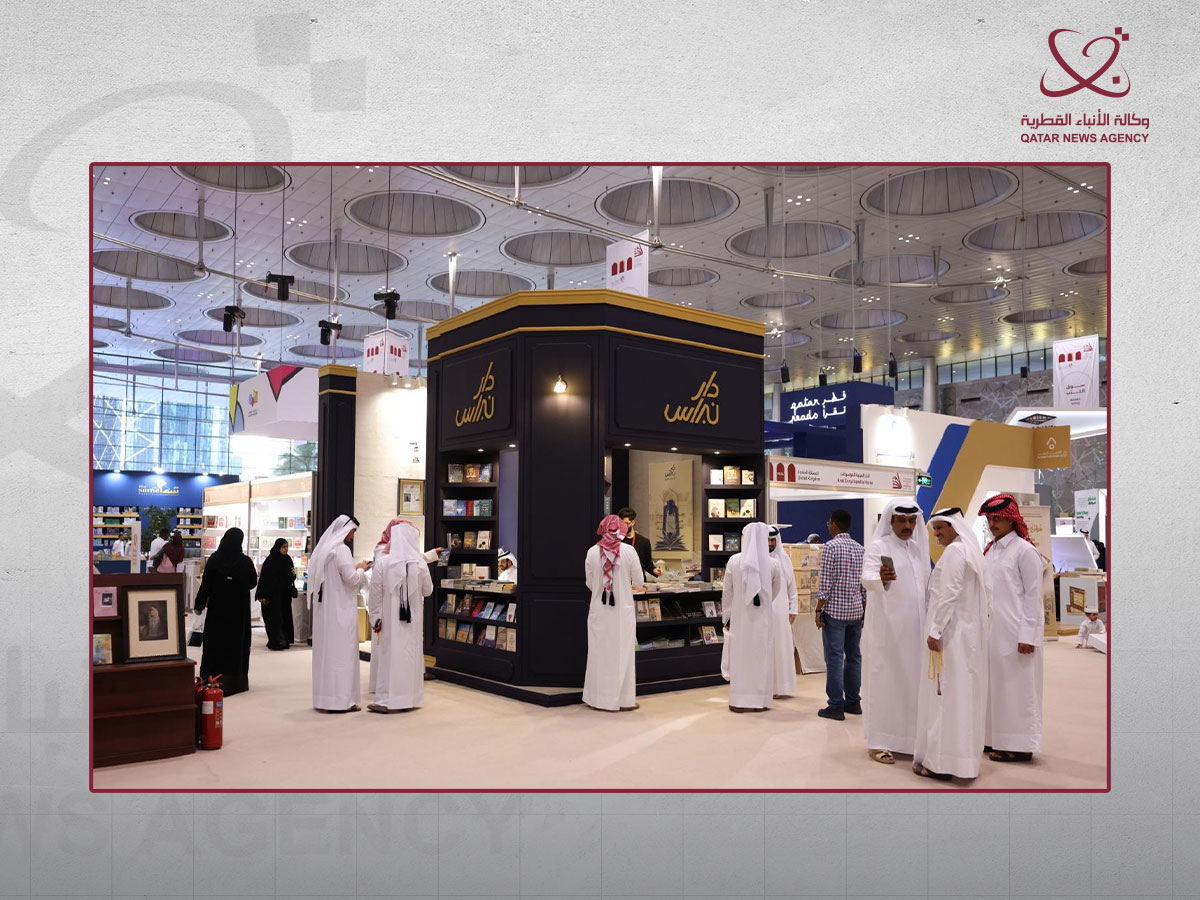
Hamad Bin Khalifa University Press (HBKU Press) actively supports new writers, particularly focusing on young Qatari authors. HBKU Press is notably keen on supporting new writers, especially young Qatari authors, recognizing their potential contributions to the national literary landscape. The publisher maintains a specialized editing department dedicated to assisting authors in improving their content and developing their texts before publication. This dedicated support ensures that emerging voices receive professional guidance in honing their craft, from initial drafts to final manuscripts. Beyond HBKU Press, Nibras Publishing House has launched the 'Nibras Literary Fund' with the explicit goal of supporting both Qatari and resident authors. The fund aims to highlight new pens and address topics that serve the community and enrich the Qatari library, ensuring a diverse range of voices and subjects are brought to the forefront. This initiative shows a commitment to broadening the scope of Qatari literature and making it more inclusive.
Nibras Publishing House has already backed the work of young writer Rawda Al-Nuaimi, supporting her story titled 'Adventures Out of Time'. This demonstrates a tangible commitment to fostering new talent, providing a platform for emerging authors to share their narratives. Writer Afra bint Saleh Al-Marri also reported receiving cooperation and facilities from several publishing houses for her debut book, 'Education is in Danger'. Her experience notes the collaborative spirit within the Qatari publishing sector, which is increasingly open to new voices and diverse themes. Publishing houses in Qatar demonstrate a wide presence and offer clear support to writers, according to industry observers. Maryam Al-Sharafi, a writer, stated that publishing procedures have become more accessible. "Publishing procedures have become easier and clearer, and publishing houses help the writer present his ideas and deliver them to the public," Al-Sharafi said. This indicates a streamlined process for authors to bring their works to the public, with publishers actively facilitating the dissemination of new literary works and helping writers connect with their audiences.
Writer Perspectives and Challenges
The idea or topic behind a literary work holds more significance than its stylistic presentation for readers, according to Mohammed Salan Al-Marri, Founder and Director of Nibras Publishing House. Al-Marri advises aspiring authors to engage in continuous reading, exercise patience in text development, and be open to critical feedback, emphasizing that publication should not be rushed at the expense of quality. "Writers should read continuously, be patient in developing texts, accept critical feedback, and not rush publication at the expense of quality," Al-Marri stated. He also noted that "The idea or topic is more important than the style," suggesting that compelling content resonates most deeply with audiences and is a primary driver of reader engagement. This perspective emphasizes the substance of a work over its mere aesthetics.
Writer Maryam bint Abdullah Al-Attiyah encountered rejections from some publishers due to publication pressures, noting a common challenge faced by emerging authors in a competitive landscape. Such pressures can stem from various factors, including market demand, editorial focus, or limited resources, making the journey to publication arduous for many. However, she found the publishing experience with Dar Sharq to be straightforward regarding procedures and contracts, illustrating that support can vary across different houses and that persistence can lead to positive outcomes. Reaching the public with a new work demands time and consistent effort in promotion, requiring authors to actively engage in the journey beyond manuscript submission. This includes building a presence, interacting with readers, and participating in literary events to ensure their work gains visibility. The ultimate responsibility for the quality of content and the formulation of the message rests with the writer, independent of external support, showing the author's primary role in shaping their narrative and ensuring its integrity.
Current initiatives are creating a more supportive environment for young authors, offering services that include editing, training, printing, and distribution. Bashar Shbaro, Director of Hamad Bin Khalifa University Press, showed the foundational role of reading in any successful literary endeavor. "Reading is the fundamental pillar of any successful writing project," Shbaro affirmed. This full support system, combined with the dedication of authors and publishers, is steadily enriching Qatar's literary landscape, fostering a dynamic environment for both established and emerging talents.