From the archive
Qatar's Foreign Minister Engages in Regional Diplomacy via Phone Calls
Qatar's Foreign Minister Sheikh Mohammed bin Abdulrahman Al Thani spoke with officials from Jordan, Saudi Arabia, and Türkiye about regional de-escalation…
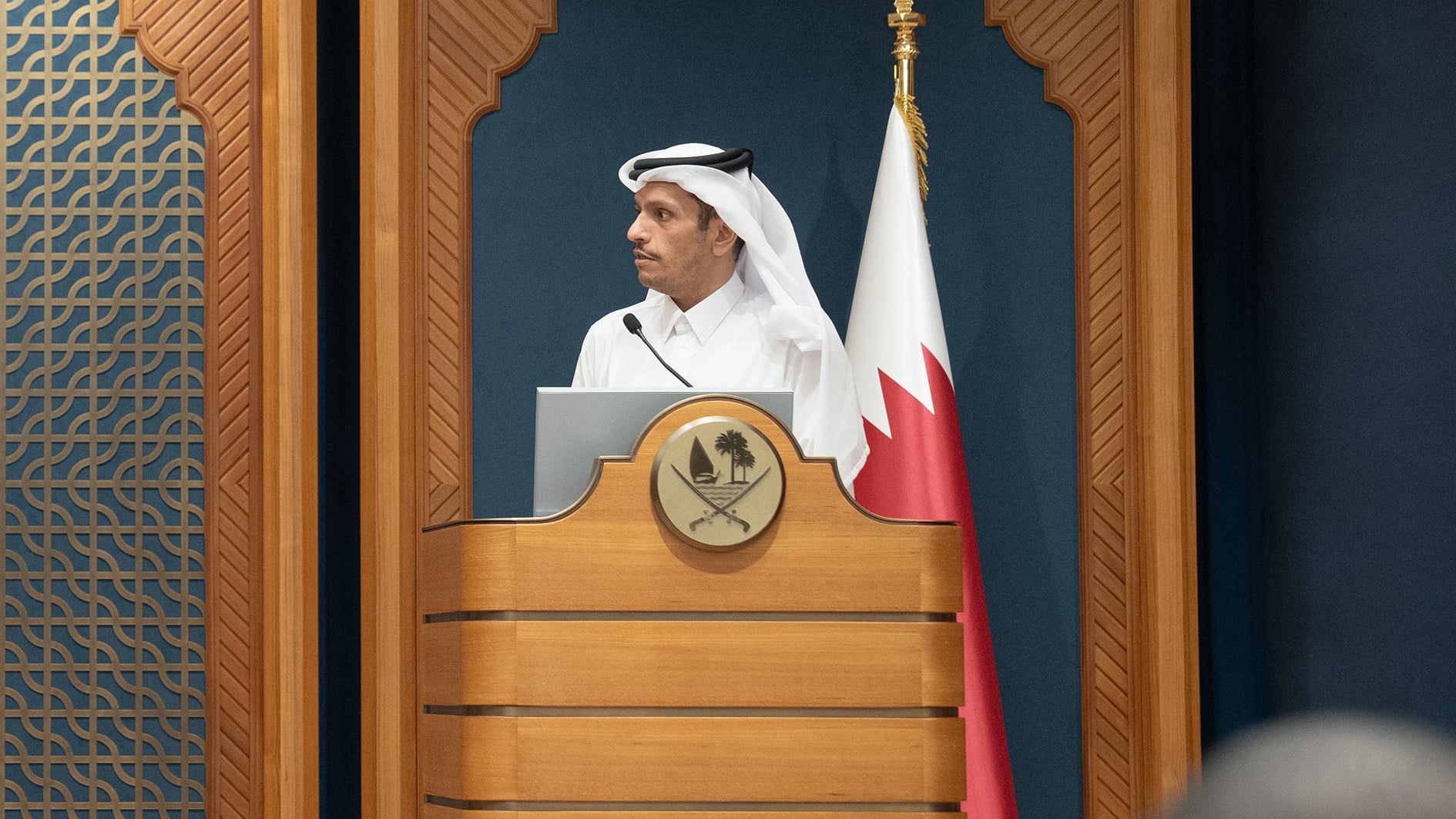
Qatar’s Prime Minister and Minister of Foreign Affairs Sheikh Mohammed bin Abdulrahman Al Thani conducted a series of phone calls on Friday, engaging with senior officials from Jordan, Saudi Arabia, and Türkiye to discuss regional issues. These high-level diplomatic engagements show Qatar's commitment to fostering stability and cooperation within the Middle East. Sheikh Mohammed spoke with Jordan’s Deputy Prime Minister and Foreign Minister Ayman Safadi as part of these diplomatic efforts, exchanging views on pressing regional matters and bilateral ties. The Qatari Prime Minister and Foreign Minister also held discussions with Saudi Foreign Minister Prince Faisal bin Farhan Al Saud, focusing on reinforcing the strong relationship between the two nations and addressing shared concerns. Concluding the series of calls, Sheikh Mohammed bin Abdulrahman Al Thani communicated with Turkish Foreign Minister Hakan Fidan, further extending Qatar's regional diplomatic outreach and exploring avenues for enhanced collaboration.
Focus on De-escalation and Cooperation
Discussions during the phone calls centered on bilateral relations between Qatar and Jordan, Saudi Arabia, and Türkiye, aiming to strengthen these key partnerships. The talks also addressed ongoing diplomatic efforts aimed at easing hostilities across the broader region, reflecting a shared desire for peace and security. Sheikh Mohammed reviewed ways to strengthen cooperation between Qatar and each of the three countries during these separate conversations, exploring various sectors for mutual benefit. The Qatari Prime Minister and Minister of Foreign Affairs emphasized the importance of collaborative approaches to regional stability, noting the necessity of concerted action to address common challenges. Efforts to de-escalate tensions and foster stronger ties were central to the diplomatic exchanges, reflecting Qatar's ongoing engagement with key regional partners. The conversations sought to enhance mutual understanding and coordination on various issues affecting the area, reinforcing the framework for future joint initiatives. These discussions were integral to advancing Qatar's foreign policy objectives of promoting dialogue and peaceful resolution.
Mediation Efforts Noted
The discussions further focused on mediation efforts being facilitated by Pakistan between the United States and Iran, a critical initiative for regional and international stability. Sheikh Mohammed bin Abdulrahman Al Thani showed the importance of constructive engagement by all parties with ongoing mediation efforts. He noted that such engagement is key to help achieve a sustainable agreement that promotes long-term regional stability, emphasizing the delicate balance required in such high-stakes diplomacy. The Qatari Prime Minister and Minister of Foreign Affairs stressed the need for collaborative approaches to ensure peace in the area, recognizing that collective action is critical for lasting solutions. These diplomatic exchanges form part of Qatar's broader strategy to support de-escalation and foster stronger ties among regional and international actors, positioning Qatar as a key facilitator in complex geopolitical landscapes. The talks noted the intricate nature of regional conflicts and the necessity of sustained diplomatic pressure to achieve breakthroughs.
Regional Stability Goals
Officials exchanged views on coordinating efforts to support regional de-escalation initiatives, exploring practical steps to reduce tensions and prevent further conflict. The discussions stressed the importance of addressing the root causes of crises through peaceful means, advocating for full solutions rather than temporary fixes. This diplomatic outreach by Qatar aims to foster a more stable environment in the region, promoting an atmosphere conducive to economic growth and social development. The emphasis on peaceful resolutions shows Qatar's commitment to dialogue and cooperation in managing regional challenges, reinforcing its reputation as a neutral mediator. These exchanges highlight a shared understanding among the involved parties regarding the necessity of diplomatic solutions to ongoing tensions, acknowledging that military options often exacerbate problems. The goal is to establish mechanisms that prevent future escalations and promote long-term stability, building resilience against potential disruptions. Efforts to identify and tackle the underlying issues contributing to regional instability were central to the conversations, ensuring that diplomatic actions are targeted and effective.