From the archive
Qatar's LNG Exports Plummet Amidst U.S.-Iran War, Impacting Global Markets
Qatar's LNG exports have plummeted 96% amid the U.S.-Iran war, impacting global markets and European gas storage. U.S. sales have risen.
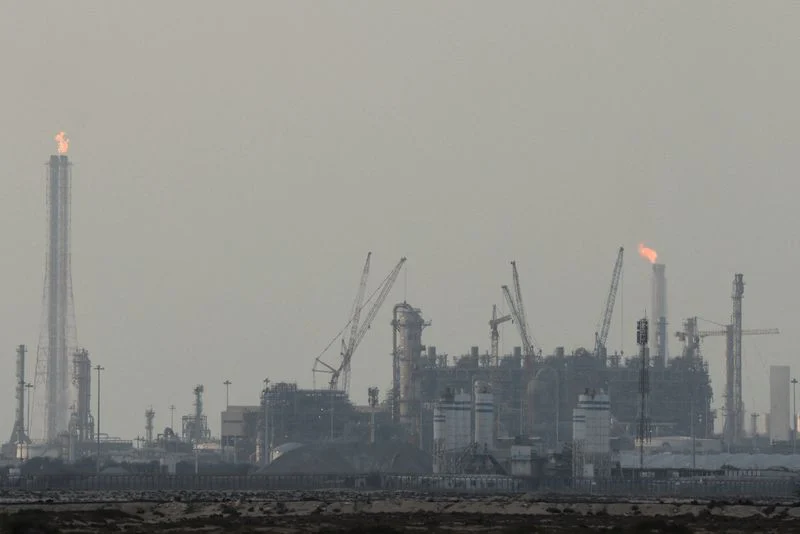
Qatar's liquefied natural gas (LNG) exports have significantly decreased over the past six months, coinciding with the ongoing U.S.-Iran war. This reduction has impacted global markets, though exports from the United States have partially offset the lost supply. The conflict between the U.S. And Iran has disrupted key shipping routes, particularly affecting energy shipments from the Gulf region, where the war has been ongoing for six months.
Qatar's Devastating Export Drop
Qatar's liquefied natural gas (LNG) exports have been slashed by 96% since the U.S.-Iran war began, severely impacting its market share. The nation, which previously supplied about one-fifth of the world’s daily LNG, has exported only 18 LNG cargoes during the conflict. This figure stands in stark contrast to the 509 LNG cargoes Qatar exported in the same period last year. The dramatic reduction follows attacks on two Qatari tankers, contributing to the significant drop in shipments. The severe decline shows the vulnerability of energy supply chains to geopolitical tensions and direct military actions in critical maritime areas. This precipitous fall from its previous global market position notes the profound immediate and potentially long-term consequences for Qatar's economic standing and its role as a key energy provider.
Financial Fallout and Regional Impact
Qatar has incurred an estimated loss of $24 billion in gas sales since the beginning of the U.S.-Iran war, according to financial assessments. This substantial financial impact represents approximately five months’ worth of income for the Gulf nation, based on projections for 2025. The exchange rate of 1 USD to 3.64 QAR is used for these calculations. While Saudi Arabia, the UAE, Iraq, and Kuwait have also experienced reductions in their oil exports, their losses have not been as severe as the decline observed in Qatar's liquefied natural gas shipments. The disproportionate impact on Qatar's LNG exports, compared to oil exports from its neighbors, illustrates the specific vulnerabilities of LNG infrastructure and shipping routes in the current conflict environment. The economic repercussions extend beyond immediate revenue losses, potentially affecting future investment and development plans for the Gulf state.
Global Market Repercussions
European gas storage has fallen to a historic low for the time of year, reflecting the global market impact of reduced LNG supplies. The significant drop in Qatari exports, a major global supplier, has intensified competition for available gas, particularly in Europe. This situation suggests a tightening of global energy markets as nations seek alternative sources to compensate for the disruption. The decreased supply from Qatar, a key player in the LNG market, has led to increased price volatility and concerns over energy security in importing regions. The partial offset provided by increased exports from the United States has helped mitigate some of the supply deficit, but not enough to prevent significant market instability and price hikes. The reduction in Qatar's contribution, which once accounted for a substantial portion of daily global LNG supply, has created a considerable void that other producers are struggling to fill entirely.
Broader Context and Outlook
The ongoing U.S.-Iran war continues to exert pressure on global energy markets, particularly impacting the supply chain for liquefied natural gas. The significant reduction in Qatar's LNG exports has forced importing nations, especially in Europe, to seek alternative sources, leading to heightened competition and price volatility. While QatarEnergy has not publicly commented on long-term mitigation strategies, the current geopolitical climate suggests sustained challenges for energy security. The situation shows the vulnerability of key shipping lanes, such as the Strait of Hormuz, to regional conflicts. The sustained disruption to one of the world's largest LNG exporters notes the fragility of global energy systems when faced with prolonged geopolitical instability. Analysts in London and Oslo are closely monitoring developments for further implications on global trade and energy prices, anticipating continued challenges in stabilizing the market as the conflict persists.