From the archive
Qatar's Mediation Boosts US Stocks Amid Iran Peace Hopes
Qatar's mediation in US-Iran talks has boosted US stocks by $400 billion, fueling investor optimism for peace and de-escalation in the region.
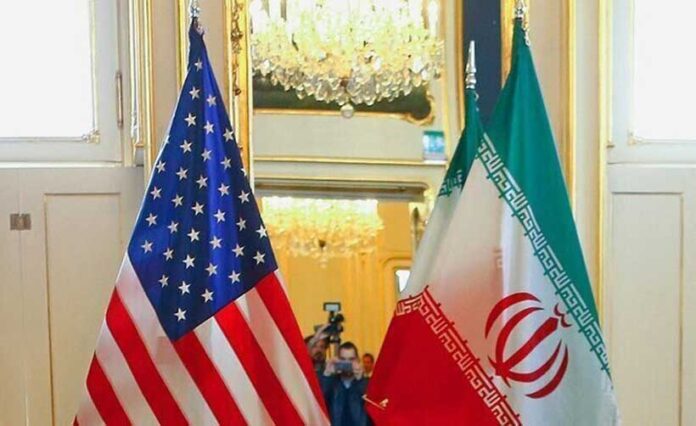
US stocks gained approximately $400 billion in value at Friday's open, as investors responded positively to reports of diplomatic activity aimed at de-escalating tensions with Iran. The significant market movement shows the immediate impact of geopolitical developments on global financial health. Qatar dispatched a negotiating team to Tehran, operating alongside US officials, a development that fueled hopes for a peaceful resolution and a potential easing of long-standing tensions in the region. This diplomatic initiative was closely watched by market participants, who are keenly sensitive to any signals that could affect international stability and trade routes.
Market Gains and Investor Sentiment
Investors are reassessing risk assets amid expectations of improved US-Iran relations, according to market analysts. This re-evaluation suggests a shift in investment strategies, with capital potentially moving towards assets perceived as less risky if geopolitical tensions subside. The market continues to exhibit strong optimism towards any signs of peace, reflecting a positive response to diplomatic efforts. This sentiment contributed to a substantial increase in market capitalization, indicating a broad-based positive reaction across various sectors of the US stock market. The anticipation of a more stable geopolitical environment encourages investment and reduces perceived risks associated with international conflict.
The $400 billion increase in market cap, observed at Friday's open, represents approximately 0.6% of the global $60 trillion market. This movement, while a fraction of the total global market, notes the considerable influence of geopolitical events on investor confidence and capital allocation decisions worldwide. It serves as a tangible indicator of how quickly financial markets can react to news pertaining to international relations. The focus remains on ongoing negotiations and their capacity to translate into concrete de-escalation steps, which would further solidify investor confidence and potentially lead to sustained market gains. The immediate reaction demonstrates the market's strong desire for stability and predictability in international affairs.
Volatility in Key Assets
Heightened volatility is observed in key assets such as Bitcoin and oil, reflecting market sensitivity to geopolitical shifts. These assets, often seen as barometers of global risk appetite and economic stability, typically experience significant price fluctuations during periods of uncertainty or geopolitical optimism. Bitcoin (BTC) is currently trading below its 60-day moving average, signaling a recent downturn in its price trend. This short-term indicator suggests that the recent positive market sentiment in traditional stocks has not uniformly translated to all asset classes. The cryptocurrency remains below its 200-day long-term moving average, indicating a broader bearish sentiment in the market for this digital asset. Bitcoin was initially launched in January 2009, and its price movements often serve as an indicator of investor risk appetite in global markets, with its current performance suggesting a cautious stance among cryptocurrency investors despite the broader stock market rally. The increased volatility in these assets suggests that while US stocks reacted positively to peace hopes, other segments of the market are experiencing significant fluctuations, reflecting diverse investor reactions and underlying market dynamics.
Cautionary Notes on Surge
Some observers cautioned that the recent market surge might represent "paper liquidity." These analysts suggested that such gains could quickly dissipate if diplomatic negotiations encounter setbacks or fail to progress, showing the fragile nature of market rallies driven primarily by sentiment. The warning notes the potential for volatility in market reactions to geopolitical events, particularly those involving complex international relations where outcomes are uncertain. This perspective suggests that while initial optimism can drive significant market movements, the sustainability of these gains is contingent on tangible, positive outcomes from ongoing diplomatic efforts. The concept of "paper liquidity" implies that the funds are readily available but not necessarily indicative of long-term investment or fundamental economic strength, making them susceptible to rapid withdrawal or reallocation should the geopolitical landscape shift unfavorably. Investors are advised to monitor the progress of the diplomatic talks closely, as their success or failure will likely dictate the long-term trajectory of these market gains.