From the archive
Qatar's Prime Minister Visits Tehran for De-escalation Talks
Qatar's Prime Minister visits Tehran for diplomatic talks focused on de-escalation and restoring freedom of navigation in the Strait of Hormuz amid…
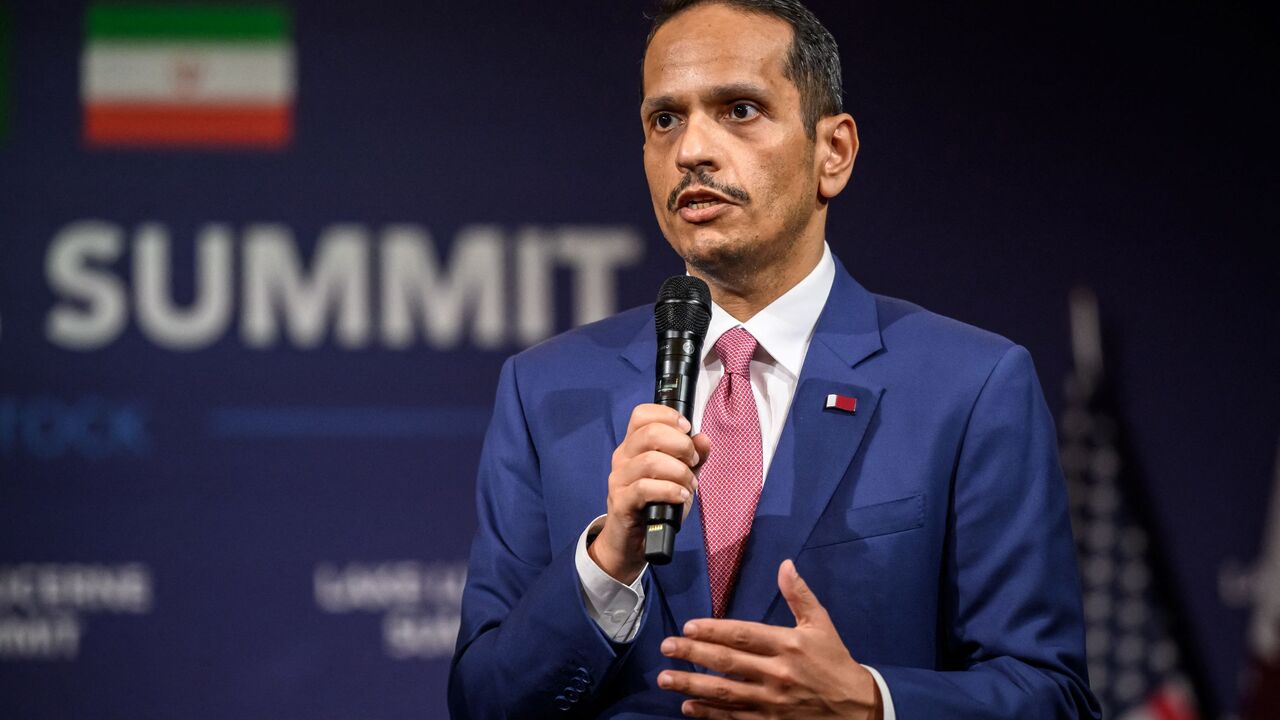
Qatari Prime Minister and Foreign Minister Sheikh Mohammed al-Thani will visit Tehran on Thursday, according to official statements from Doha. The high-level diplomatic mission aims to address pressing regional stability concerns following recent escalations in the Gulf. Discussions during the visit are expected to focus on critical maritime issues, specifically the strategic Strait of Hormuz, a choke point for global energy supplies.
Qatari government spokesperson Majed al-Ansari confirmed that the talks would primarily address "freedom of navigation in the Strait of Hormuz and the need for it to return to the status quo" that existed before the current conflict began. The Strait of Hormuz is recognized as a vital international shipping lane, key for the transit of a significant portion of the world's oil and liquefied natural gas (LNG). Maintaining open and secure passage through this waterway is critical for global trade and energy security. The Qatari delegation's focus on restoring pre-conflict conditions notes the urgency of de-escalation in the region.
Regional Diplomacy Intensifies Amid Escalating Tensions
The upcoming visit by Sheikh Mohammed al-Thani follows a flurry of diplomatic activity in Tehran. Omani Foreign Minister Badr Albusaidi met senior Iranian officials in Tehran on Tuesday, including Foreign Minister Abbas Araghchi, to discuss pathways to reduce regional tensions. During their discussions, Iran and Oman explored a proposed framework that included the establishment of a temporary navigational corridor for the Strait of Hormuz. This initiative aims to ensure the continued flow of maritime traffic despite the prevailing security concerns. The two nations also considered a joint project aimed at clearing mines from the critical waterway, an effort that shows the shared commitment to maritime safety and stability.
These diplomatic engagements followed a visit by Pakistan's Army chief Field Marshal Asim Munir and Interior Minister Mohsin Naqvi, who met Iranian President Masoud Pezeshkian in Tehran on Monday. The increased diplomatic activity comes as traffic through the Strait of Hormuz has seen a noticeable decline, signaling the impact of the ongoing regional tensions on vital shipping routes. According to data from Kpler, a leading commodity intelligence firm, only five vessels transited the Strait of Hormuz on Tuesday. This figure marks a significant decrease from seven vessels recorded on Monday and nine on Sunday, reflecting the heightened risks and operational challenges faced by the shipping industry in the area. The reduced traffic shows the economic and security implications of the current instability, prompting regional powers to seek diplomatic resolutions.
Economic Stakes and Security Concerns Drive Dialogue
The economic ramifications of the regional conflict have been particularly severe for Qatar, a major global exporter of liquefied natural gas. Qatar's liquefied natural gas exports have fallen by a staggering 96% since the war began in late February, according to recent data. This significant disruption to these critical exports has cost Qatar an estimated $24 billion, noting the immense financial pressure the conflict is exerting on the nation. The substantial economic impact shows the broader regional concerns that are driving current diplomatic efforts, as nations seek to mitigate the financial fallout and restore stability.
Additionally, a sensitive security matter adds another layer of complexity to the discussions. Iran is seeking answers from Qatar regarding the fate of three Iranian pilots who went missing over Qatari territory. These inquiries add another layer to the complex discussions taking place between the two nations, alongside the economic pressures stemming from reduced trade. The incident involving the missing pilots is a critical point of contention that requires resolution to foster trust and facilitate broader de-escalation efforts.
Qatar's Mediation Role and Pilot Inquiry
The Qatari Prime Minister's visit to Tehran is specifically aimed at discussing de-escalation efforts and establishing conditions conducive to dialogue between regional parties. This diplomatic initiative marks Sheikh Mohammed al-Thani's first trip to Iran since the conflict began on February 28, showing the urgency and importance of his mission. His presence shows Qatar's ongoing role in regional mediation, a role it has frequently played in various conflicts across the Middle East. The Qatari leadership is committed to fostering an environment where diplomatic solutions can be pursued to avert further escalation.
Discussions are also expected to address the fate of the three Iranian pilots who went missing over Qatari territory. The pilots were aboard two jets that were shot down on March 12, an incident that has raised significant concerns in Tehran. At the time of the incident, the Iranian aircraft were reportedly carrying out strikes on a US base located in Qatar. The inquiry into their status adds a particular dimension to the broader de-escalation agenda, as resolving this specific issue could help build confidence between the two nations and pave the way for more full peace talks. Qatar's role as a mediator is key in navigating these sensitive issues and working towards a peaceful resolution.