From the archive
QFC Sees 37% Surge in New Business Registrations Driven by Tech Sector, Total Companies Exceed 4,700
Qatar Financial Centre (QFC) saw new business registrations surge 37% in H1 2026, led by the tech sector. Total companies now exceed 4,700.
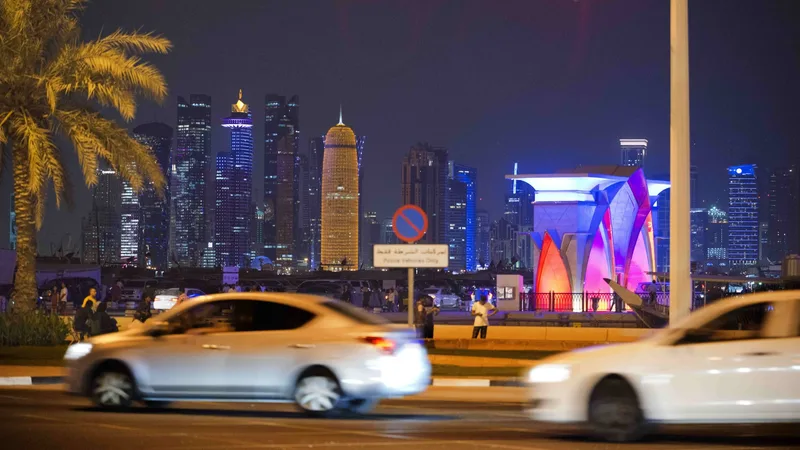
The Qatar Financial Centre (QFC) recorded a significant 37 percent increase in new business registrations during the first half of 2026 compared to the same period last year. This strong growth shows the QFC's expanding role as a key financial and business hub in the region. The QFC successfully onboarded 1,135 companies between January and June 2026, demonstrating a strong performance in attracting new enterprises to its platform. A substantial portion of this impressive growth was particularly driven by the technology and innovation sector, which alone accounted for 544 new registrations in the first half of 2026, noting Qatar's strategic focus on diversifying its economy and fostering a vibrant tech ecosystem. The overall rise in registrations reflects the QFC's ongoing efforts to enhance its appeal to international and local businesses seeking a supportive regulatory environment.
Sectoral Breakdown and Growth Drivers
Beyond the dominant technology sector, other key segments also contributed significantly to the QFC's expansion. The media and entertainment segment recorded 173 new registrations during the first half of 2026, indicating a growing interest in Qatar's creative industries. Following closely, the consulting and professional services segment added 166 new businesses in the same period, reflecting the increasing demand for specialized expertise within the QFC's operational framework. The wealth segment also saw considerable activity with 84 new registrations, pointing to the QFC's strengthening position in asset management and private banking services. The FinTech segment accounted for 65 new businesses, showcasing the QFC's commitment to fostering innovation in financial technology and attracting advanced companies. These diversified registrations across various sectors collectively show the QFC's broad appeal and its capacity to support a wide array of business activities.
A major catalyst for this accelerated growth in the first half of 2026 was the highly anticipated Web Summit Qatar 2026. This prominent international technology event provided a significant boost to the QFC's registration figures. During the summit, the Qatar Financial Centre (QFC) received approximately 2,300 business licensing applications, illustrating the immediate and tangible impact of such high-profile events on business interest. This figure represents a notable increase of about 44 percent compared to the business licensing applications received during Web Summit Qatar in 2025, signaling growing international and regional confidence in Qatar's business environment. The total number of companies registered within the QFC now exceeds 4,700, marking a substantial milestone in its development and confirming its status as an attractive destination for businesses across various industries.
QFC's Competitive Advantages and Strategic Offerings
The first half of 2026 also saw the registration of the Gulf state's first real estate investment trust (REIT) collective investment fund within the Qatar Financial Centre. This development signifies the QFC's expanding capabilities and its role in introducing new financial instruments to the regional market, further solidifying its position as a progressive financial hub. The QFC framework is specifically designed to attract foreign investment and facilitate ease of doing business, offering up to 100 percent foreign ownership for businesses established under its jurisdiction. This key provision allows international companies to maintain full control over their operations in Qatar, making it an attractive proposition for global enterprises. The framework includes provisions for 100 percent repatriation of profits, ensuring that foreign investors can freely transfer their earnings. Companies operating within the QFC are subject to a competitive 10 percent corporate tax on locally sourced profits, according to QFC data, which is a key incentive for businesses considering establishment within the centre. These full advantages collectively enhance the QFC's appeal as a preferred destination for businesses aiming to tap into the dynamic markets of Qatar and the wider Middle East.
Regional Financial Hub Comparisons and Expanding Landscape
The growth observed at the Qatar Financial Centre is part of a broader trend of expansion across the Gulf region's financial hubs. The Dubai International Financial Centre (DIFC), a well-established financial hub located in Dubai, United Arab Emirates, continued its strong trajectory. The DIFC exceeded 10,000 registered companies by the end of the first half of 2026, demonstrating its sustained leadership in the regional financial services sector. This impressive figure reflects a substantial 30 percent surge in registrations for the DIFC by the close of June 2026, noting the continued strong demand for its full financial ecosystem. The DIFC has long been a significant player in the region's economic landscape, offering a world-class platform for financial institutions and related businesses.
Similarly, Abu Dhabi Global Market (ADGM), another prominent financial free zone in the United Arab Emirates, has also reported significant growth, further illustrating the competitive and dynamic nature of the Gulf's financial services industry. Active licenses at ADGM in Abu Dhabi have crossed the 13,300 mark, indicating its substantial and growing presence. During the first quarter of 2026 alone, ADGM registered 961 companies, showcasing a consistent influx of new businesses choosing Abu Dhabi as their operational base. These statistics collectively position ADGM as a rapidly expanding entity within the competitive regional financial services sector, indicating continued expansion across the Gulf's financial hubs. The growth of these centres shows the region's increasing importance as a global financial powerhouse, driven by strategic initiatives and attractive business environments.