From the archive
Saudi Arabia Backs Pakistan-Qatar Mediation to Halt Widening West Asia Conflict
Saudi Arabia backs Pakistan-Qatar mediation to halt widening West Asia conflict after Iranian military attacks on Bahrain, Jordan, and Kuwait.
Published: Jun 11, 2026, 18:30 IST
Saudi Arabia has strongly condemned overnight Iranian military attacks targeting Bahrain, Jordan, and Kuwait. The Saudi Foreign Ministry called for an immediate ceasefire on Thursday, June 11, in a decisive diplomatic intervention. This development comes as Riyadh seeks to halt a widening West Asia conflict, which threatens to destabilize the entire region. The Kingdom's swift and firm response shows its commitment to regional peace and security amidst escalating tensions.
Kingdom's Diplomatic Intervention
Riyadh expressed deep concern regarding the violation of sovereign airspace and territory, showing the urgent need to protect regional stability, according to a statement. The Saudi Foreign Ministry called on all involved parties to engage in de-escalation, noting the potential for severe consequences if the conflict continues to spread. The Kingdom's statement articulated a clear message that the current trajectory of military actions is unsustainable and poses a significant threat to international peace. "We urge all parties to prioritise wisdom by returning to diplomatic efforts and resuming the constructive negotiations sponsored by the Islamic Republic of Pakistan, along with the efforts of the State of Qatar," the Saudi Foreign Ministry statement said, as quoted by news agency AFP. This diplomatic push from Saudi Arabia was updated on June 11, 2026, at 18:30 IST, reflecting the immediate and ongoing nature of Riyadh's engagement. The intervention signals a serious alarm from Saudi Arabia regarding the recent military actions and their broader implications for the delicate balance of power in West Asia.
Joint Mediation Framework
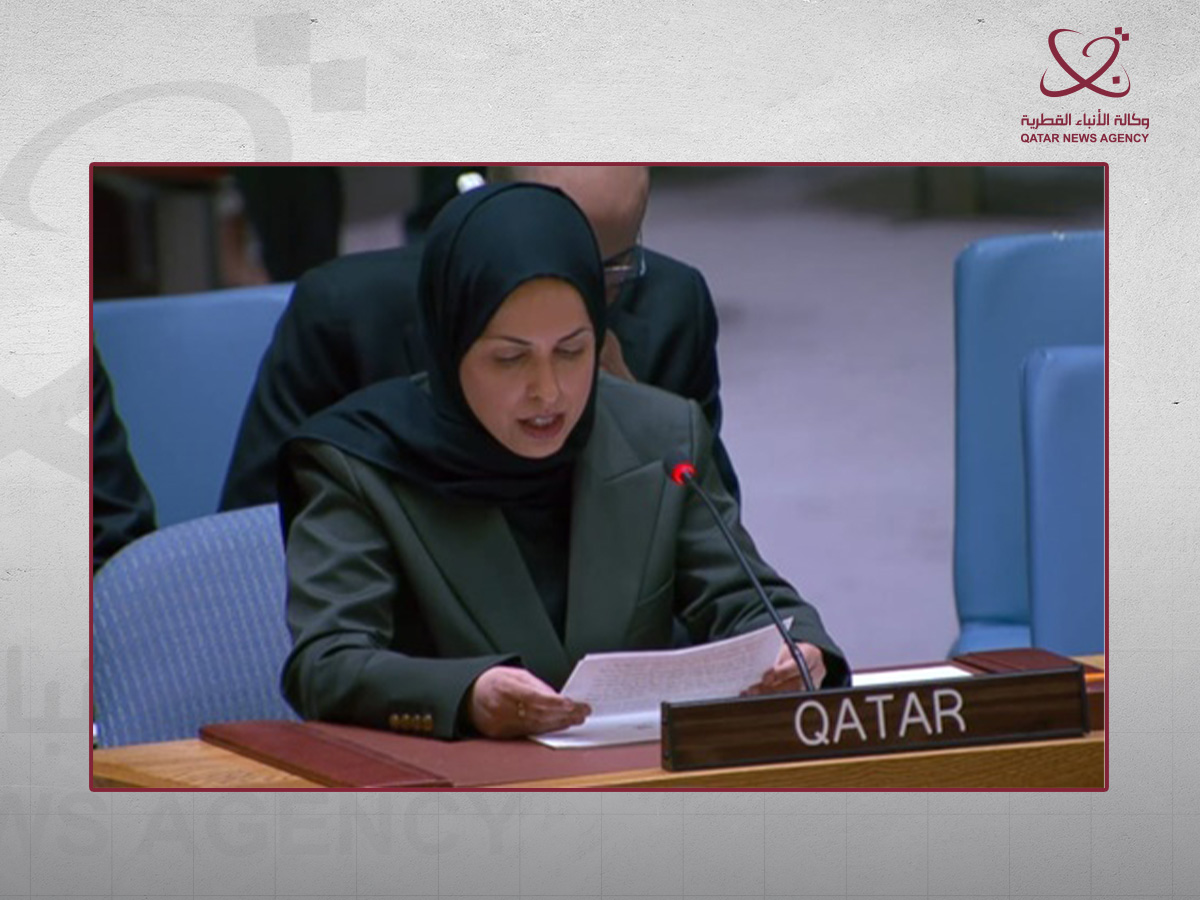
Saudi Arabia urged all involved nations to return to the negotiating table following recent escalations, emphasizing that dialogue remains the most viable path to peace. The Kingdom explicitly backed a joint mediation effort led by the Islamic Republic of Pakistan and the State of Qatar, aiming to broker an end to the widening West Asia conflict. This endorsement signifies Saudi Arabia's confidence in the impartiality and diplomatic capabilities of Islamabad and Doha. Saudi Arabia's endorsement of Islamabad and Doha as central mediators notes a coordinated Islamic and regional push to halt the hostilities, demonstrating a united front against further destabilization. This diplomatic initiative emphasizes a collective desire among regional powers to de-escalate tensions and promote peaceful resolutions through established channels, rather than through military confrontation. The focus remains on encouraging dialogue and negotiation to prevent further conflict, with the hope that these mediation efforts can provide a framework for sustainable peace. The involvement of multiple regional actors in this diplomatic push shows the gravity of the situation and the shared responsibility felt by nations in the area to restore calm.
Regional Stability Concerns
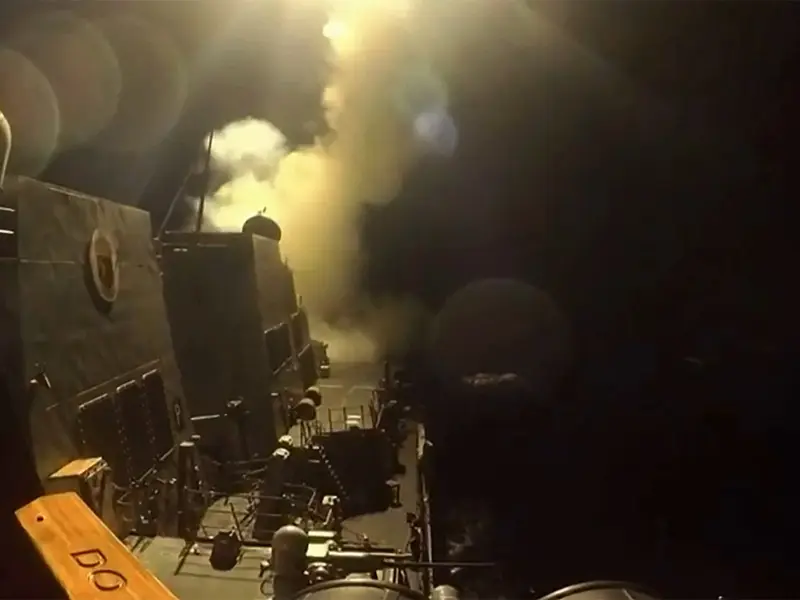
The escalating violence threatens to plunge the region into an uncontrollable conflict, with potentially dire humanitarian and economic consequences. The overnight strikes marked a dangerous expansion of the theatre of war, drawing several Gulf Cooperation Council (GCC) members and neighbouring Jordan directly into the line of fire. This development has heightened fears of broader instability, prompting Saudi Arabia's call for immediate de-escalation and a return to diplomatic solutions. The Kingdom's endorsement of Pakistan and Qatar's mediation efforts shows the gravity of the situation and the perceived need for urgent, collective action to prevent further regional destabilization. The concern extends beyond immediate military engagements to the long-term impact on regional security architecture and the welfare of millions of people. The focus remains on encouraging dialogue and negotiation to prevent further conflict, ensuring that all parties recognize the imperative of preserving peace. The international community is closely watching these developments, recognizing the potential for a ripple effect across global markets and geopolitical stability.
Call for De-escalation
The Saudi Foreign Ministry issued a statement calling for an immediate cessation of hostilities following recent military attacks in the region, stressing the urgency of the situation. The Kingdom urged all parties to prioritize de-escalation efforts, emphasizing that every step taken towards reducing tensions is critical. A Saudi Foreign Ministry statement, as quoted by news agency AFP, affirmed the Kingdom's position, stating, "The Kingdom calls for maximum de-escalation and restraint." This appeal shows Riyadh's concern over the expanding conflict in West Asia and its potential for further regional destabilization, which could have broad implications. The Saudi government has consistently advocated for diplomatic solutions to the escalating tensions, emphasizing the need for all involved entities to exercise prudence and avoid actions that could exacerbate the crisis. This stance aligns with its broader diplomatic efforts aimed at promoting stability and preventing a wider confrontation among regional powers, reflecting a commitment to a peaceful resolution of disputes. The call for restraint is a clear message that military actions must cease to allow for diplomatic channels to effectively address the underlying issues.