From the archive
Shura Council Reviews KAHRAMAA's Energy and Water Strategies
Qatar's Shura Council reviewed KAHRAMAA's strategies for electricity, water, and renewable energy, discussing supply security, efficiency, and digital…
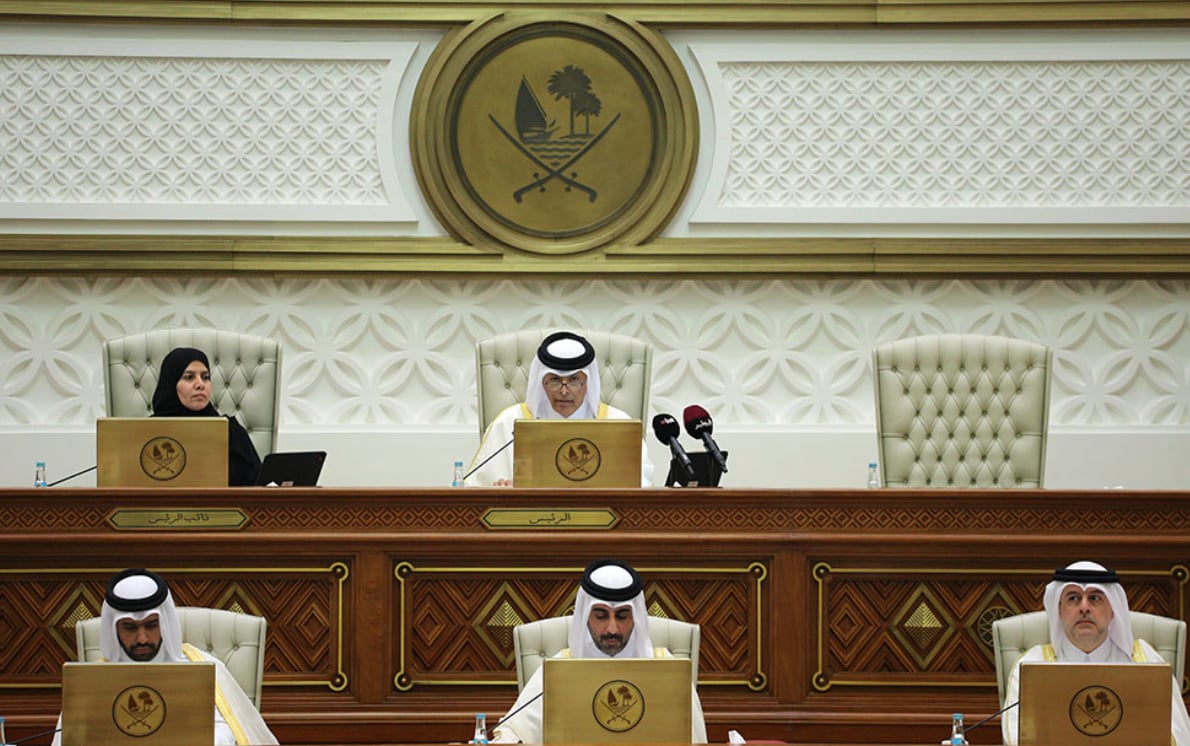
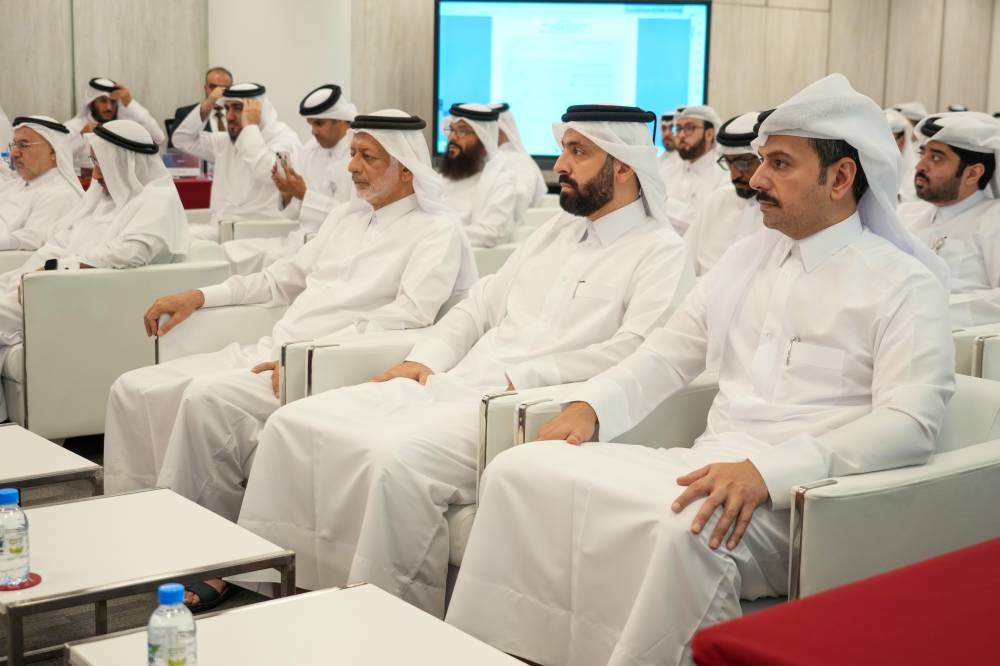
Qatar's Shura Council held its weekly session on Monday, receiving a briefing from the Qatar General Electricity and Water Corporation (KAHRAMAA) on the country’s electricity, water, and renewable energy strategies. This full briefing covered the corporation's strategic initiatives and future plans across these vital sectors. The session, chaired by Speaker Hassan bin Abdullah Al-Ghanim, included KAHRAMAA President Engineer Abdullah bin Ali Al-Theyab, who presented the corporation's vision and ongoing projects. KAHRAMAA's plans focus on strengthening supply security, improving network efficiency, and expanding digital services across the nation. These strategic pillars are designed to ensure the reliable provision of essential utilities. Speaker Al-Ghanim stated, "The state, under the directives of Emir Sheikh Tamim bin Hamad Al Thani, had placed significant emphasis on developing electricity and water infrastructure, improving resource efficiency and promoting sustainability in line with the goals of Qatar National Vision 2030." This shows the national commitment to sustainable development and strong infrastructure.
Renewable Energy Ambitions
Qatar intends to increase the share of renewable energy in its overall energy mix by 2030. This ambitious target reflects the nation's commitment to diversifying its energy sources and reducing its carbon footprint. The strategy for achieving this target is centered on solar photovoltaic projects and the implementation of distributed solar generation systems across the country. These projects are key for integrating clean energy into the national grid. During the session, members of the Shura Council advocated for an expanded commitment to renewable energy initiatives. They specifically called for further development and implementation of solar power projects, emphasizing the potential of solar energy in Qatar's climate. The Council members noted the importance of accelerating the transition to renewable sources to meet future energy demands sustainably. They also discussed the long-term benefits of such investments for both environmental protection and economic diversification.
Infrastructure and Service Delivery
KAHRAMAA presented its efforts to enhance water distribution networks, reduce water losses, and expand the implementation of smart meters. These initiatives are part of a broader strategy to optimize water management and conservation. The corporation also detailed its strategies for strengthening the management of strategic water reserves, ensuring long-term water security for the country. Shura Council members emphasized the necessity of sustained investment in infrastructure to accommodate Qatar's ongoing population growth and urban expansion. They noted concerns regarding delays in extending electricity and water services to certain residential areas, stressing the importance of timely provision of these essential services to all communities. Additionally, the Council members called for improvements in service provision within rural and desert locations, ensuring equitable access across different regions of Qatar. They urged KAHRAMAA to prioritize these areas to ensure that all residents benefit from reliable utility services. KAHRAMAA's presentation showed the corporation's commitment to optimizing utility services and infrastructure resilience, aiming for a strong and efficient system capable of meeting the nation's evolving needs.
Digital Transformation and Efficiency
Members of the Shura Council emphasized the strategic importance of digital transformation within KAHRAMAA's operations. They noted the necessity of expanding the use of advanced digital technologies and artificial intelligence (AI) to enhance the efficiency and reliability of network management. This focus aims to optimize the performance of both electricity and water distribution systems, leading to more effective resource allocation and reduced operational costs. The Council's recommendations show a push towards integrating smart solutions to improve operational oversight, predictive maintenance, and overall service delivery across Qatar's utility infrastructure. The adoption of these technologies is seen as key for supporting the country's development objectives and ensuring sustainable resource management. Digitalization is expected to provide real-time data and analytics, enabling KAHRAMAA to react more swiftly to challenges and proactively manage its vast networks.
Member Concerns and Future Outlook
Members of the Shura Council raised concerns regarding electricity and water tariffs, specifically those applied to commercial and service-sector users. The discussions noted the impact of these tariffs on various economic activities within Qatar, particularly for businesses and service providers. Council members emphasized the need to review and potentially adjust these charges to support businesses and service providers, fostering a more conducive economic environment. This focus on tariffs aligns with broader considerations for economic stability and growth, ensuring that utility costs remain sustainable for different sectors of the economy. The Council's review of KAHRAMAA's strategies included a call for careful consideration of how these tariffs affect the operational expenses of commercial entities, advocating for policies that balance revenue generation with economic support. The Council aims to ensure that KAHRAMAA's tariff structures are fair and contribute positively to the nation's economic development.