From the archive
Syria Concludes Multinational Search and Rescue Exercise in Qatar
Syria has concluded a multinational search and rescue exercise in Qatar, enhancing regional disaster response capabilities through simulated disaster…
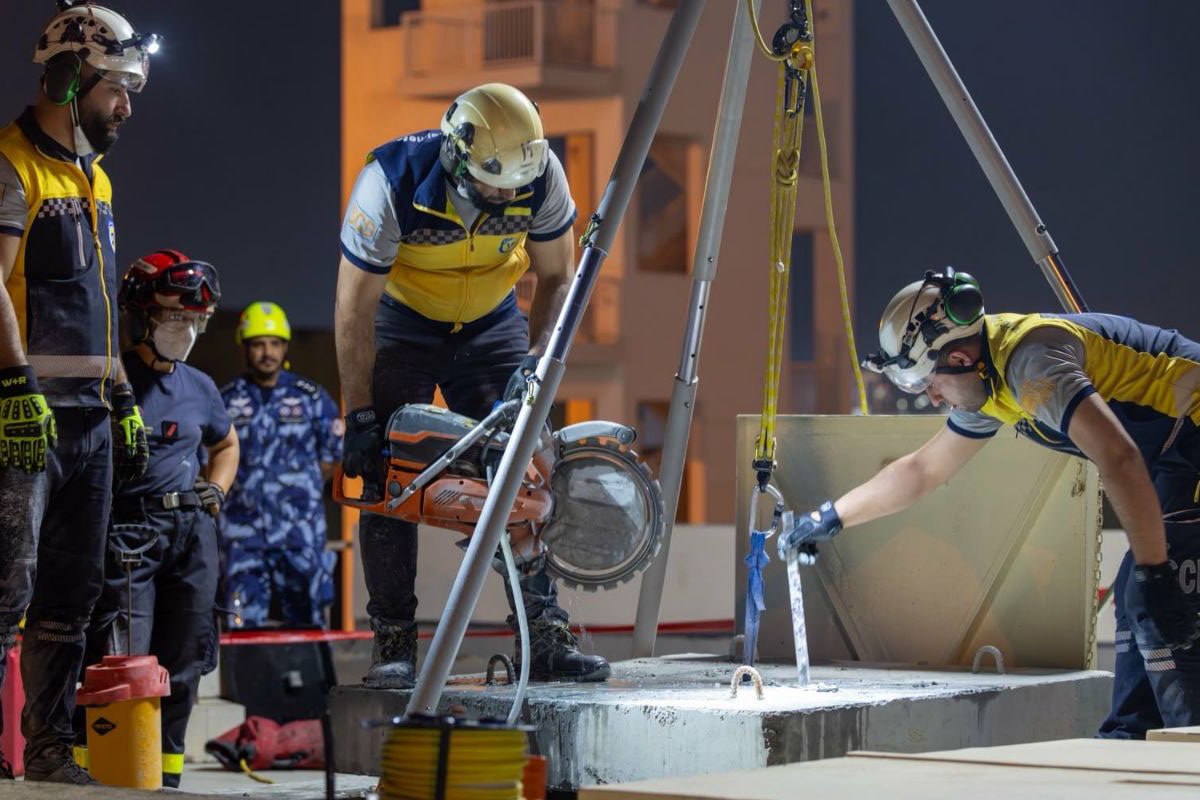
Syria has concluded a multinational search and rescue exercise held in Qatar, marking a significant step in enhancing regional disaster response capabilities. The Syrian Arab News Agency (SANA) reported the successful completion of the exercise on June 11, 2026, with the news article published and updated at 2:55 PM on the same date.
Exercise Details and Objectives
The multinational search and rescue exercise, recently concluded in Qatar, involved participants from numerous countries focusing on enhancing rapid response capabilities for large-scale emergencies. The drills simulated complex disaster scenarios, including urban search and rescue operations, medical evacuations, and the coordination of international aid efforts. Participants practiced techniques for locating survivors in collapsed structures, providing immediate medical assistance, and ensuring the safe transport of injured individuals. This full training regimen was designed to prepare teams for a wide array of potential crises, from natural catastrophes to other complex humanitarian situations requiring urgent intervention.
The exercise aimed to bolster interoperability among participating nations, fostering a unified approach to disaster relief. Training emphasized the exchange of best practices in emergency management and the effective utilization of specialized equipment. Objectives included improving communication protocols between diverse rescue teams and refining strategies for logistical support in challenging environments. The scenarios were designed to test the resilience and adaptability of rescue personnel under simulated high-pressure conditions, ensuring that teams could operate effectively under duress. The focus on practical application and real-time problem-solving provided invaluable experience for all involved, strengthening individual team capabilities and collective response mechanisms.
Regional Cooperation Significance
The multinational search and rescue exercise, recently concluded in Qatar, shows the growing emphasis on regional collaboration in disaster preparedness and response. Syria's involvement alongside other nations notes a shared understanding of the need for integrated efforts to address humanitarian crises. Such joint initiatives are key for developing common operational procedures and enhancing communication channels among diverse emergency units, thereby streamlining efforts when actual disasters strike. This collaborative spirit is essential for building a strong and responsive regional framework for humanitarian assistance.
Participation in exercises like this allows countries in the region to collectively strengthen their capabilities to react effectively to large-scale emergencies, whether natural disasters or other complex scenarios. The cooperative framework established during these drills facilitates the swift deployment of resources and personnel across borders, ultimately aiming to mitigate the impact of future catastrophes on affected populations. This approach builds resilience and fosters a more coordinated and efficient response network, ensuring that help can reach those in need promptly and effectively. The shared experiences and lessons learned contribute significantly to a more unified and prepared regional emergency response system.
Future Preparedness and Outlook
Looking ahead, the multinational search and rescue exercise in Qatar is expected to significantly influence Syria's approach to future disaster preparedness. The experience gained by Syrian participants in coordinating with international teams is anticipated to refine national emergency response protocols. This engagement with other nations reinforces the importance of continuous training and the adoption of globally recognized best practices for disaster management, leading to more resilient national systems.
The insights gathered from simulating complex scenarios will likely inform strategic planning for potential emergencies within Syria, particularly in regions such as Idleb, Deir Ezzor, and Aleppo, which have faced various challenges. Continued participation in such international initiatives fosters a stronger network for mutual assistance, enhancing the country's capacity to respond to unforeseen events effectively. This collaborative framework is vital for building resilience and ensuring a more coordinated and efficient response to future humanitarian challenges across the region, ultimately saving lives and reducing the impact of disasters.