From the archive
Trump Postpones Iran Strike Amid Gulf Leader Appeals and Nuclear Talks
President Trump postponed a planned military strike on Iran after appeals from Qatar, Saudi Arabia, and UAE leaders, citing ongoing nuclear talks.
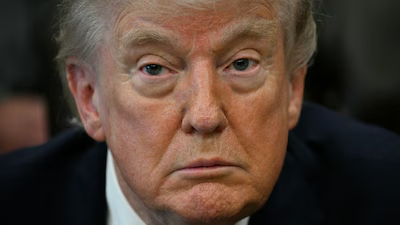
U.S. President Donald Trump announced from Washington D.C. United States of America (USA), that he postponed a planned military strike on Iran, which was allegedly scheduled for the following day. This significant announcement, made from the nation's capital, showed the gravity of the decision and the immediate implications for regional stability. President Trump stated the decision came after appeals from several influential Gulf leaders. The Gulf leaders who requested the postponement included Emir of Qatar Sheikh Tamim bin Hamad Al Thani, Saudi Crown Prince Mohammed bin Salman, and UAE President Sheikh Mohamed bin Zayed Al Nahyan, noting a concerted diplomatic effort from the region. Donald Trump said, "Based on my respect for the above-mentioned leaders, I have instructed Secretary of War Pete Hegseth, the Chairman of the Joint Chiefs of Staff, General Daniel Caine, and the United States Military, that we will not be doing the scheduled attack of Iran tomorrow." This direct quote from the President emphasized the personal nature of the appeals and his deference to these key regional allies.
Military Orders Issued
President Donald Trump explicitly instructed Secretary of War Pete Hegseth, Chairman of the Joint Chiefs of Staff General Daniel Caine, and the United States Military that the scheduled attack on Iran would not proceed. This directive effectively halted immediate military action. Despite the postponement of the planned strike, US forces have reportedly been ordered to maintain readiness for a "full, large-scale assault" on short notice. This order ensures that the United States military remains in a heightened state of alert and preparedness, capable of deploying significant force if circumstances change. This state of preparedness is said to be contingent on the outcome of ongoing diplomatic efforts, indicating that military options remain available should negotiations fail to achieve an acceptable resolution. The directive shows a continued readiness posture from the United States despite the immediate halt in planned military action, signaling that while diplomacy is being pursued, the military option is not off the table.
Regional Diplomacy and Tensions
The postponement of military action came after direct appeals from several key Gulf leaders, including Emir of Qatar Sheikh Tamim bin Hamad Al Thani, Saudi Crown Prince Mohammed bin Salman, and UAE President Sheikh Mohamed bin Zayed Al Nahyan. These leaders reportedly engaged in discussions that influenced President Donald Trump's decision to halt the planned strike, demonstrating the significant diplomatic leverage held by these regional powers. The United States President acknowledged these appeals in his statement regarding the postponement, crediting their intervention as a primary reason for his change of plans. This diplomatic engagement notes the intricate web of alliances and influences at play in West Asia.
The statement concerning the strike's delay emerges amidst heightened tensions surrounding Iran’s nuclear programme. Reports indicate ongoing instability across West Asia, contributing to a complex regional security landscape. This broader instability creates a challenging environment for diplomatic resolutions and adds urgency to international efforts to de-escalate potential conflicts. These broader geopolitical circumstances form the backdrop against which the diplomatic efforts and the U.S. Decision were made. The region continues to monitor developments closely as international stakeholders engage in ongoing discussions, seeking pathways to stability and security.
Negotiation Framework
Donald Trump cited ongoing negotiations as a factor influencing his decision to postpone the military strike, according to statements made from Washington D.C. These discussions are reportedly aimed at reaching an agreement designed to prevent Tehran from acquiring nuclear weapons, addressing a core concern for the United States and its allies. The proposed framework for this agreement would specifically include a commitment ensuring "no nuclear weapons for Iran," the President added. This explicit condition outlines the fundamental objective of the ongoing diplomatic efforts, aiming for a verifiable and strong agreement that permanently curtails Iran's nuclear ambitions. The success of these negotiations is now a critical determinant in the future course of action regarding Iran.