From the archive
Turkish and Qatar Airways Resume Syria Flights, Boosting Air Connectivity
Turkish Airlines and Qatar Airways resume flights to Syria, boosting air connectivity.
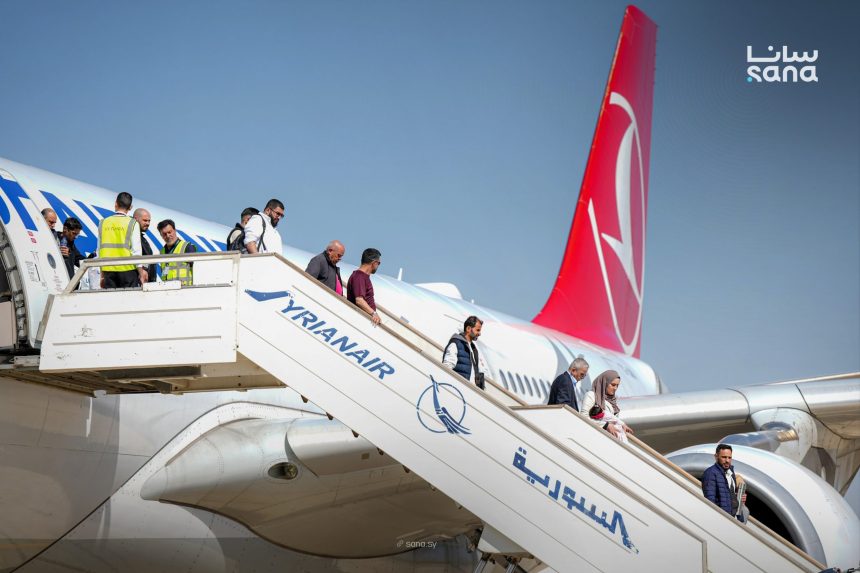
Turkish Airlines and Qatar Airways resumed flights to Damascus International Airport on Friday, marking a significant step in boosting air connectivity to Syria. This resumption by two major international carriers shows a growing normalization of air travel to the region. Flights also recommenced at Aleppo International Airport, further expanding international travel options and re-establishing vital air links to Syria's second-largest city. These resumptions bring the total number of airlines operating to and from Damascus and Aleppo airports to 12, indicating a broader trend of returning confidence in the Syrian aviation sector. The re-establishment of these routes is key for both passenger travel and potential economic recovery, as it integrates Syria back into the global air transport network.
Expanded Airline Network
As of May 1, a total of 12 airlines are now operating to and from Damascus and Aleppo International Airports. This expanded network represents a substantial increase in air travel options compared to previous years. The diverse group of carriers now serving these airports reflects a concerted effort to restore regular flight schedules and destinations.
Airlines that have resumed services to these Syrian airports include Syrian Airlines, the national flag carrier, flydubai, a prominent low-cost airline from the UAE, and FlyCham. Other operators now active are Royal Jordanian, the flag carrier of Jordan, Dan Air, and Air Arabia, another major low-cost carrier from the UAE. Additionally, flynas, a Saudi Arabian airline, Qatar Airways, recognized globally for its extensive network, and Turkish Airlines, a major European and Asian hub carrier, have recommenced flights. Jazeera Airways, a Kuwaiti airline, and AJet also form part of the 12 airlines serving Damascus and Aleppo International Airports, contributing to the re-established air links. This full list of carriers offers a wide array of choices for passengers, connecting Syria to various regional and international hubs. The presence of both full-service and budget airlines caters to different travel needs and budgets, making air travel more accessible.
Reopening Air Corridors
Operations at Damascus International Airport have resumed regularly, following the reopening of all air corridors that had been closed on February 28. The closure of these corridors was a direct result of the outbreak of conflict, significantly disrupting air traffic for an extended period. This development signifies a return to pre-conflict operational status for the airport, facilitating increased air traffic and connectivity. The full reopening of these routes is expected to contribute to the ongoing efforts to restore regular international air travel to and from Syria. This key step ensures the safety and efficiency of flight paths, allowing airlines to operate with greater predictability and fewer restrictions. The re-establishment of these air corridors is a fundamental prerequisite for sustained and expanded international flight operations.
Impact on Travel
The resumption of flights by Turkish Airlines and Qatar Airways significantly enhances air connectivity for travelers to and from Syria. This development, alongside services from 10 other carriers, expands options for individuals seeking to reach Damascus International Airport and Aleppo International Airports. Passengers now have access to a broader network of destinations and more frequent flight schedules, making travel more convenient and less time-consuming. The return of major international airlines like Turkish Airlines and Qatar Airways is expected to facilitate both business and leisure travel, linking Syria more directly with global hubs in Europe, the Middle East, and beyond. These renewed air links contribute to the normalization of travel routes, following the reopening of all air corridors to Damascus International Airport. The increased accessibility is poised to benefit residents, visitors, and those with connections to Syria, offering more direct and convenient travel alternatives compared to the period when fewer airlines operated. This expansion of services is also expected to boost tourism and trade, providing a much-needed impetus to the Syrian economy. Overall, the expanded network of 12 airlines operating to and from Damascus and Aleppo airports marks a notable improvement in regional and international travel accessibility for Syria, signaling a new phase for its aviation sector.