From the archive
UAE President and Qatar Emir Discuss Bilateral Ties and Regional Stability, Emphasizing Regional Stability
UAE President Sheikh Mohamed bin Zayed Al Nahyan and Qatar Emir Sheikh Tamim bin Hamad Al Thani discussed bilateral ties and regional stability in a phone…
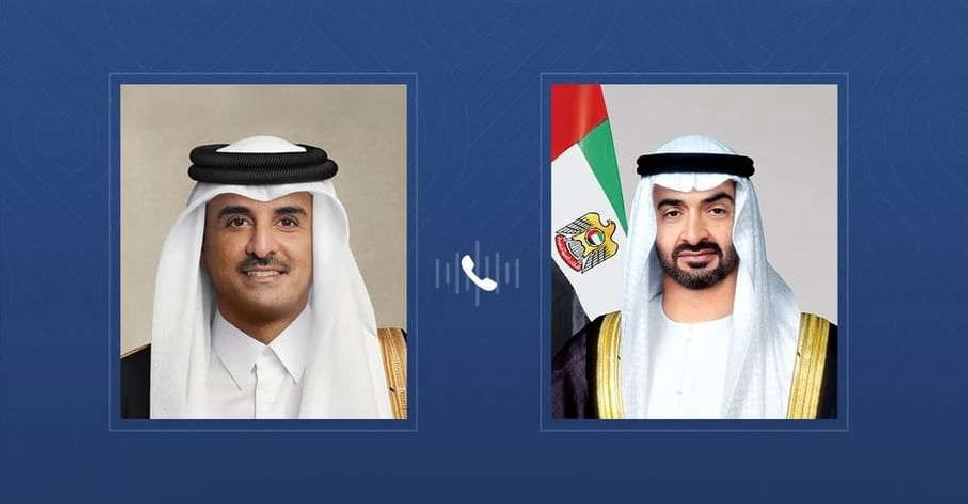
UAE President His Highness Sheikh Mohamed bin Zayed Al Nahyan held a significant phone call with Qatar’s Emir, Sheikh Tamim bin Hamad Al Thani. During their conversation, the two prominent leaders engaged in extensive discussions covering the bilateral relations between the United Arab Emirates and Qatar. Their dialogue also encompassed the latest developments occurring across the broader region, reflecting a shared commitment to addressing current challenges and fostering cooperation.
Strengthening Bilateral Cooperation and Shared Interests
The discussions between His Highness Sheikh Mohamed bin Zayed Al Nahyan and Sheikh Tamim bin Hamad Al Thani commenced with a full review of the existing cooperation between the United Arab Emirates and Qatar. Both leaders took the opportunity to assess the current state of their collaborative efforts across various sectors. Their discussions focused intently on exploring avenues to further strengthen these vital ties. Specifically, Sheikh Mohamed bin Zayed Al Nahyan and Sheikh Tamim bin Hamad Al Thani meticulously examined how to enhance cooperation to robustly support the shared interests of both nations, aiming for mutual benefit and progress. The conversation was designed to reinforce the foundational aspects of their bilateral relationship, building on previous engagements and setting a forward-looking agenda. This commitment to deepening cooperation shows the strategic importance both countries place on their partnership.
The leaders acknowledged the multifaceted nature of their relationship, which spans economic, cultural, and political dimensions. By reviewing existing frameworks, they sought to identify new opportunities for collaboration that could yield tangible benefits for their respective populations. The emphasis on strengthening ties in support of shared interests notes a proactive approach to regional partnership, ensuring that their collective endeavors contribute to broader stability and prosperity. This strategic alignment is key for navigating the complexities of the regional landscape.
Regional Developments and Diplomatic Initiatives
A substantial portion of the phone call was dedicated to regional matters. The UAE President, His Highness Sheikh Mohamed bin Zayed Al Nahyan, and Qatar’s Emir, Sheikh Tamim bin Hamad Al Thani, exchanged perspectives on various regional developments, providing each other with valuable insights into their respective viewpoints. Their discussion included a detailed review of ongoing diplomatic efforts that are currently underway. These concerted efforts are specifically focused on supporting security, stability, and de-escalation across the wider region, addressing areas of concern and promoting peaceful resolutions.
The leaders showed the critical importance of collaborative approaches to effectively address current challenges facing the region. Their dialogue unequivocally showed a shared commitment to fostering a peaceful and secure environment for all nations within the Gulf and beyond. This exchange of views signifies continued, strong engagement between the two nations on critical regional matters, demonstrating a unified front in aiming to enhance collective security and promote calm amidst evolving circumstances. The leaders reiterated the pressing need for sustained diplomatic initiatives to maintain regional equilibrium and prevent escalation, emphasizing dialogue as the primary tool for conflict resolution. This shared vision for regional stability is a cornerstone of their diplomatic engagement.
Context and Future Outlook for Regional Peace
The discussions between His Highness Sheikh Mohamed bin Zayed Al Nahyan and Sheikh Tamim bin Hamad Al Thani underline the ongoing and persistent efforts to foster stronger relations between the UAE and Qatar. This high-level engagement reflects a strategic commitment to enhancing bilateral ties and addressing regional dynamics through coordinated action. The leaders' full engagement on both bilateral cooperation and regional stability reflects a deep-seated commitment to addressing shared challenges collaboratively and effectively.
Their dialogue sets a firm foundation for continued coordination on matters concerning the wider region, with a clear aim to promote security and de-escalation as critical objectives. Future interactions are expected to build significantly on these productive exchanges, further solidifying the relationship between the two nations and contributing meaningfully to collective regional peace and prosperity. This sustained communication is recognized as a key aspect of their diplomatic approach, serving as a vital mechanism for fostering understanding and joint action. The proactive stance taken by both leaders in discussing these critical issues reinforces their dedication to a stable and cooperative regional future.