From the archive
US Approves $4 Billion Patriot Missile Deal for Qatar Amid Regional Tensions
US approves $4 billion Patriot missile deal for Qatar to restore air defense amid regional tensions.
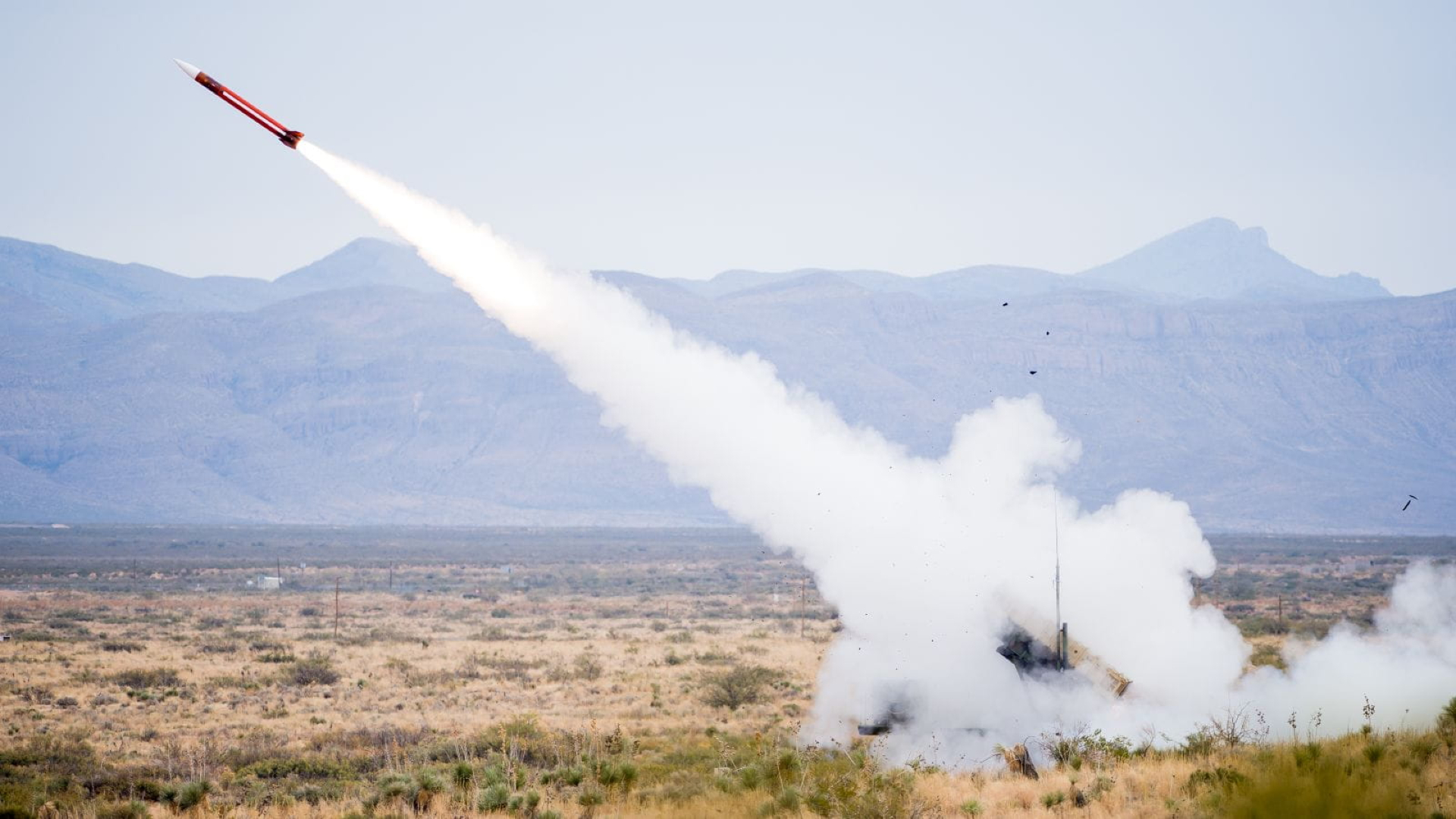
The United States has approved a significant $4 billion package to supply Qatar with approximately 500 Patriot interceptor missiles, including 200 PAC-2 and 300 PAC-3 variants, a move designed to help restore its depleted air defense capabilities. This substantial arms deal was officially announced by the State Department on Friday. Secretary of State Marco Rubio played a key role in this expedited process, determining that an emergency necessitates the immediate transfer of these sophisticated weapons, citing the vital interests of U.S. National security.
According to official reports, the State Department explicitly stated that these sales are intended to bolster regional stability across the Middle East. They aim to enhance the ability of both Israel and Qatar to address a range of current and future threats that challenge the security landscape of the region. The Patriot missile systems, renowned for their advanced capabilities, are considered key components for effective air defense, particularly within the strategically vital Gulf region. This approval shows the United States' commitment to supporting its allies and maintaining a strong security posture in a volatile area.
Restoring Qatar's Air Defenses
Washington's decision to sign off on this $4 billion package is primarily aimed at rebuilding Qatar’s Patriot-based air and missile defenses. This initiative follows months in which sustained regional pressure reportedly exposed significant gaps in the availability of interceptors within Qatar's existing defense infrastructure. Doha’s integration into the sophisticated Patriot air defense network is not a recent development, dating back to a major U.S. Arms sale that was originally notified in 2012.
Reports from that earlier period indicate that the 2012 request was full, covering 11 Configuration-3 fire units, advanced AN/MPQ-65 radar systems, engagement control stations, 44 launchers, and a substantial stockpile of both GEM-T and PAC-3 interceptors. This extensive package was valued at an estimated $9.9 billion at the time, laying the foundation for Qatar's modern air defense capabilities. A subsequent upgrade in 2015 further enhanced these defenses, adding hundreds of PAC-3 MSE missiles and requiring essential modifications to existing launchers to accommodate the new interceptors.
Qatar’s unique geography undeniably leaves it highly exposed to potential threats, according to various reports. The peninsula sits in close proximity to Iran, a nation with which regional tensions frequently escalate. Its location alongside the Strait of Hormuz, a critical global shipping lane, adds another layer of strategic vulnerability. Qatar hosts Al Udeid Air Base, which serves as a key U.S. And coalition hub in the region, making it a significant asset but also a potential target. This combination of geopolitical and geographical factors notes the strategic importance of strengthening Qatar's air defense capabilities.
For the Patriot sale to Qatar, two major defense contractors, RTX and Lockheed Martin, will serve as the principal entities responsible for the delivery and integration of these advanced systems. Reports also indicated the inclusion of the Advanced Precision Kill Weapon System (APKWS) within the broader arms package. The APKWS is a highly specialized guidance system specifically designed to convert unguided rockets into laser-guided precision weapons, thereby enabling them to strike specific targets with enhanced accuracy and reduced collateral damage. This inclusion further diversifies and modernizes Qatar's defensive arsenal.
Broader Arms Sales Context
This specific deal for Qatar is part of a much larger series of military sales approved by the U.S. State Department. In total, the department approved more than $8.6 billion in weapons sales to various Middle Eastern allies. The Trump administration, under which these approvals were made, notably bypassed congressional review to expedite these significant military sales. These sales were distributed among several key regional partners, including Israel, Qatar, Kuwait, and the United Arab Emirates, reflecting a broad effort to reinforce security alliances in the region.
A separate and substantial package specifically for Qatar includes 10,000 Advanced Precision Kill Weapon System (APKWS) units and related equipment. This particular deal is valued at an estimated $992.4 million, showing the demand for precision-guided munitions. In a parallel transaction, Israel also received approval for the sale of 10,000 APKWS units and related equipment, a deal also estimated at $992.4 million, noting similar defense needs among U.S. Allies. The United Arab Emirates also benefited from these arms approvals, receiving authorization to buy APKWS systems in a deal valued at approximately $147.6 million. For all these APKWS sales to Israel, Qatar, and the United Arab Emirates, BAE Systems will serve as the principal contractor, responsible for manufacturing and delivering these critical guidance systems.
Beyond precision-guided munitions, Kuwait received approval for a substantial $2.5 billion integrated battle command system. This advanced system is designed to enhance command, control, and communication capabilities across its military forces. Northrop Grumman, a major player in the defense industry, will also participate in the Kuwait deal, according to reports, contributing its expertise to this complex defense integration project. Northrop Grumman was also identified as a principal contractor involved in the Kuwaiti sale, further solidifying its role in regional defense modernization efforts.
Production and Geopolitical Pressures
The timing of these approvals coincides with significant pressures on the global defense industry. Lockheed Martin and RTX Corporation, key manufacturers of these advanced systems, are currently managing surging demand from multiple fronts. This includes ongoing requirements from Ukraine, extensive European rearmament efforts in response to evolving security landscapes, and the consistent needs of Gulf clients. Within this high-demand environment, the production of PAC-3 MSE interceptors has been specifically identified as one of the most constrained segments within Western inventories, indicating a critical bottleneck in the supply chain for these vital air defense components.
The approvals for these sales also align with broader efforts by the Trump administration to increase weapons production. This push comes amid persistent reports of dwindling U.S. Missile stockpiles, a concern that has gained prominence due to the intensity of recent conflicts and the need to resupply allies. The geopolitical context is further complicated by ongoing military engagements. A senior Pentagon official informed Reuters this week that the war with Iran has incurred a substantial cost of $25 billion for the United States, noting the immense financial burden of sustained conflict. In response to these pressing financial and strategic demands, Secretary of War Pete Hegseth appeared before both the House and Senate armed services committees to urge lawmakers to approve the necessary funding to address these critical defense requirements.
The war between the U.S. And Israel against Iran recently marked its nine-week duration, showing the prolonged nature of the conflict. This announcement of the missile deal comes after a period of relative calm, as a fragile ceasefire had taken effect more than three weeks prior to the recent disclosure of the arms package. The conflict initially escalated when the U.S. And Israel initiated attacks on Iran on February 28. In response to these initial strikes, Iran carried out its own retaliatory actions, targeting both Israel and Gulf states that host U.S. Military bases, further broadening the scope of the regional confrontation. The U.S.-Israeli strikes on Iran, coupled with Israeli attacks in Lebanon, have had devastating consequences, resulting in thousands of deaths and displacing millions of people, a humanitarian crisis that continues to unfold amid the ongoing hostilities.
Strategic Implications and Scrutiny
Washington’s military ties with its regional partners, including Kuwait, the United Arab Emirates, and Qatar, have not been without scrutiny. The U.S. Has faced criticism regarding these relationships, particularly concerning the human rights track records of these nations. Critics argue that providing advanced military equipment to countries with questionable human rights records could inadvertently enable or overlook abuses, despite the strategic benefits of such alliances.
Meanwhile, Israel maintains that its actions in the ongoing conflict constitute legitimate self-defense. This stance follows a devastating October 2023 attack by Hamas-led militants, which resulted in the deaths of 1,200 people, an event that profoundly reshaped the security calculus in the region and ignited the current wave of hostilities. The complex interplay of regional security needs, human rights concerns, and ongoing conflicts continues to define the strategic landscape of the Middle East, making arms sales like the one to Qatar a subject of intense international interest and debate.