From the archive
US Military Facility in Qatar Reportedly Damaged in Strikes
A U.S. military command center in Qatar reportedly sustained severe damage and was rendered inoperable following recent strikes amid heightened Middle…
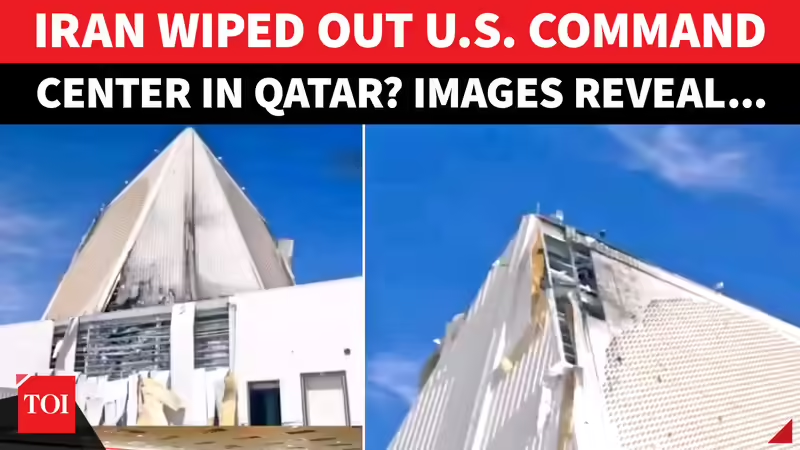
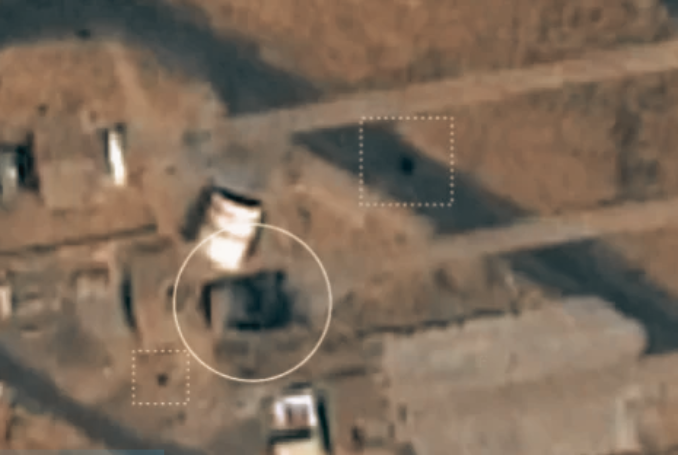
A U.S. Command center in Qatar reportedly sustained severe damage and was rendered "inoperable" following recent strikes, according to claims cited by RT News. Footage aired by Al Jazeera subsequently showed visible damage to infrastructure at the military facility. These reports emerge amidst heightened tensions in the Middle East, contributing to a complex and evolving security situation across the region. The incident, if confirmed, marks a significant development in the ongoing challenges faced by U.S. Military assets and personnel in the area. The nature of the strikes and the specific actors responsible have not been definitively established, adding to the uncertainty surrounding the event.
Reported Damage and Facility Role
The command center has played a major role in coordinating U.S. Air operations across the Middle East for decades, serving as a cornerstone of American military presence and strategic capabilities. The facility serves as a critical hub for American military activities, overseeing various missions throughout the region, including surveillance, reconnaissance, and logistical support for combat operations. Its long-standing function has been central to the strategic deployment and management of air assets, providing essential command and control capabilities for a wide array of aerial missions. Damage to such a facility could significantly impact the logistical framework for U.S. Operations, potentially disrupting the flow of information and coordination vital for regional stability. The extent of the reported damage and its implications for future air coordination efforts are areas of ongoing assessment, with military planners likely evaluating contingency plans. The facility's importance shows the potential ramifications of any sustained disruption to its functions.
Conflicting Accounts Emerge
Competing claims remain regarding the full extent of the impact on the U.S. Command center in Qatar, as well as its current operational status. Conflicting reports have emerged concerning the severity of the damage and whether the facility is fully functional following recent strikes, creating a fog of war around the incident. These varying accounts contribute to uncertainty surrounding the incident and its implications for U.S. Military operations in the Middle East, making it difficult to ascertain the true operational picture. While some reports suggest significant damage, potentially rendering the facility inoperable, other sources have yet to confirm the extent of the disruption to the critical hub, or even deny the severity of the claims. The discrepancy in information shows the challenge of assessing the situation on the ground in a rapidly developing geopolitical landscape, where accurate and verified information can be scarce. Further official statements or independent verification are awaited to clarify the situation.
Broader Security Implications
Washington has issued updated security warnings across the Middle East, a direct response to the escalating regional instability. The move reflects growing concerns about the regional security environment following the reported damage to the U.S. Military command center in Qatar, indicating a heightened perception of risk. Such warnings typically advise American citizens and personnel to exercise increased caution, avoid certain areas, and remain vigilant regarding potential threats, emphasizing the need for enhanced situational awareness. The broader implications of the facility's reported damage and subsequent security advisories could include a re-evaluation of force protection measures and strategic deployments in the region, as military planners assess vulnerabilities. These developments contribute to an already complex security landscape, prompting heightened vigilance from U.S. Authorities and a potential reassessment of operational postures. The issuance of updated warnings shows the perceived elevation of risk for American interests and personnel throughout the Middle East, noting the volatile nature of the current environment. This proactive measure aims to mitigate potential risks to U.S. Citizens and assets.