From the archive
US Nuclear Negotiators Relocate to Qatar Amid Iran Talks Push
US nuclear negotiators have relocated to Qatar to advance diplomatic efforts and resume talks on Iran's nuclear program.
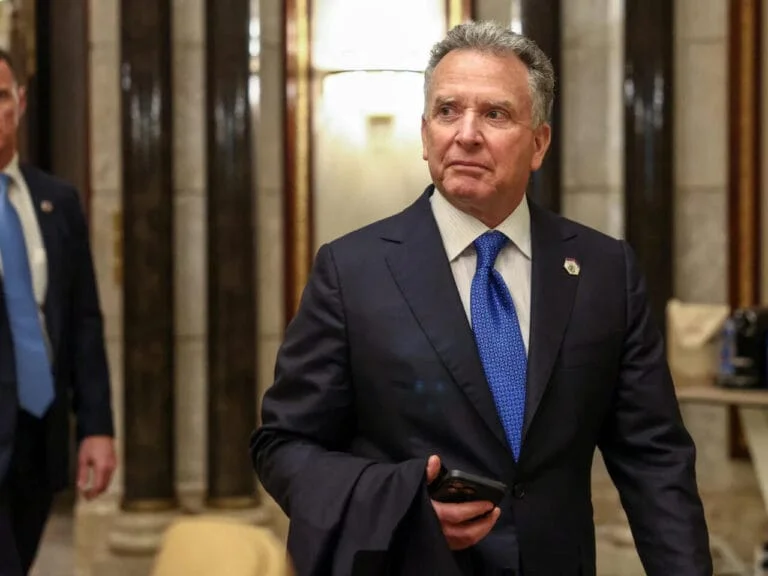
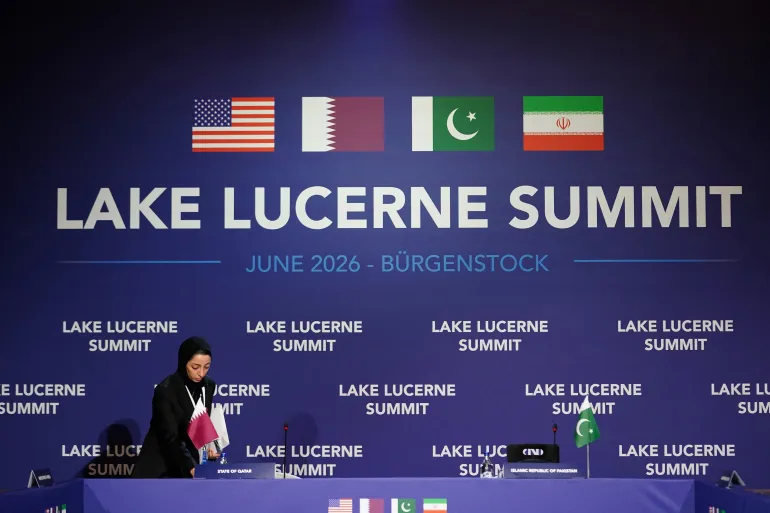
US Special Envoy to the Middle East, Steve Wittkopf, announced the departure of the US technical team responsible for nuclear negotiations to Qatar, signaling a push for renewed diplomatic efforts regarding Iran’s nuclear program. The relocation reflects ongoing discussions aimed at restarting talks. This move specifically reflects ongoing diplomatic efforts to resume talks on Iran’s nuclear program, which have faced significant challenges in recent times. The team's presence in Qatar shows the strategic importance of Doha in facilitating these sensitive international negotiations, providing a neutral ground for discussions.
Technical Discussions Ahead
The relocated US technical team is expected to engage in discussions concerning various technical issues related to Iran’s nuclear program. These discussions will also cover mechanisms for implementing any potential agreements that may arise from the ongoing diplomatic efforts. The experts are specifically expected to delve into the intricate technical details of the nuclear program, examining aspects such as enrichment capabilities, centrifuges, and research and development activities. They will address the practicalities and logistical challenges of implementing any potential agreements, ensuring that all parties understand the operational requirements and verifiable steps. Additionally, the team will address critical areas such as sanctions, safeguards, and monitoring procedures to ensure compliance and transparency in any future arrangements. The full agenda indicates a focus on the practical and operational aspects of a potential nuclear deal, aiming to lay the groundwork for a verifiable and sustainable agreement. Discussions on safeguards will be particularly key to prevent proliferation risks, while monitoring procedures will establish the means to verify adherence to any commitments made.
Qatar's Mediation Role
Qatar plays a prominent role in hosting and facilitating communications between the concerned parties, leveraging its balanced relations with all sides involved in the nuclear discussions. This diplomatic posture has positioned Doha as a key hub for numerous mediation rounds in recent times, proving its capability to host high-stakes international dialogues. The city's status as a neutral ground allows for discreet and effective dialogue among delegations that might not otherwise meet directly, fostering an environment conducive to sensitive negotiations. Qatar's government has consistently offered its capital as a venue for sensitive international negotiations, aiming to de-escalate tensions and foster diplomatic solutions in complex geopolitical issues. The success of previous mediation efforts has solidified Doha’s reputation as a reliable and impartial facilitator. The relocation of the US technical team to Doha further solidifies Qatar's reputation as a critical intermediary in international diplomacy, noting its indispensable role in global peacemaking efforts. This role is built upon a foundation of trust and consistent engagement with various international actors.
Persistent Sticking Points
Disagreements continue on fundamental issues, specifically concerning uranium enrichment levels. The mechanism for lifting sanctions remains a significant point of contention between the parties involved, with differing views on the scope, timing, and reversibility of sanctions relief. Additionally, guarantees for adherence to any future agreement pose a persistent challenge in the ongoing negotiations, as both sides seek assurances that commitments will be honored over the long term. These core areas of disagreement show the complexities inherent in reaching a full resolution, requiring careful and sustained diplomatic efforts to bridge the gaps. The technical team's discussions are expected to address these sticking points by exploring potential technical solutions and frameworks that could satisfy the concerns of all parties. The differing interpretations of previous agreements and future obligations contribute to the difficulty in finding common ground.
Outlook for Consultations
Observers believe the US technical team’s relocation to Qatar could pave the way for a new round of consultations regarding Iran’s nuclear program. This move signals a potential step forward in diplomatic efforts, aiming to restart wider discussions that have stalled previously. This development positions Doha as a central location for continued engagement on the complex issues surrounding sanctions, safeguards, and uranium enrichment levels. The process seeks to establish a framework for dialogue that could eventually lead to a more full resolution, addressing the core concerns of all parties involved. The presence of the technical team is seen as a pragmatic approach to tackle the granular details that often form the bedrock of any successful diplomatic accord. It suggests a commitment to finding practical solutions to the technical and political impasses that have characterized these negotiations.