From the archive
Bulk Carrier Hit by Projectile Off Qatar Coast, Fire Contained
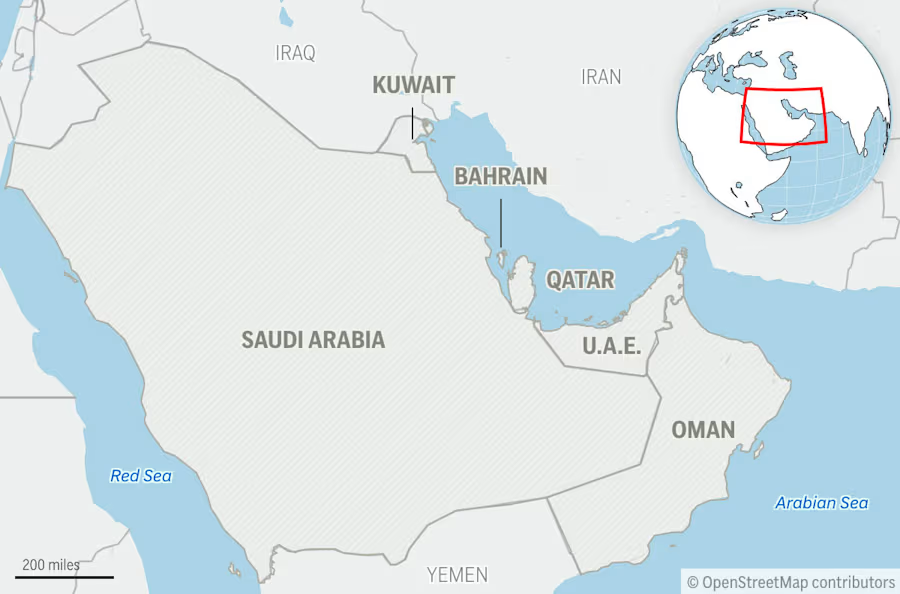
A bulk carrier was struck by an unidentified projectile 42km off the coast of Doha, Qatar. A fire on deck was contained by the crew.
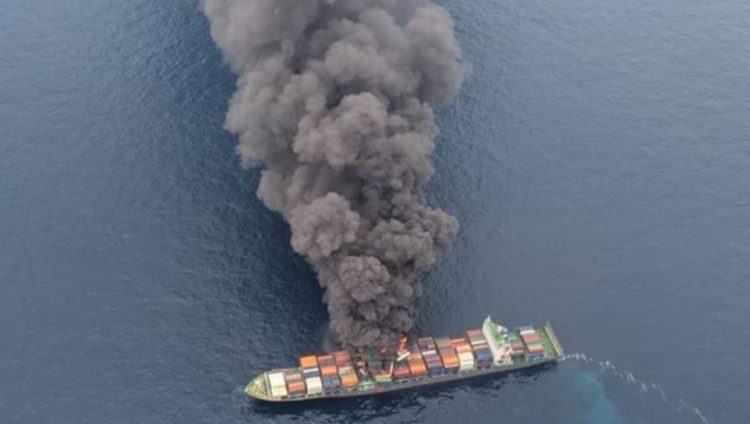
A bulk carrier was targeted by a projectile 42 kilometers off the coast of Doha, Qatar, according to a report from the United Kingdom Maritime Trade Operations (UKMTO). The incident occurred while the cargo ship was sailing in waters northeast of Qatar. Following the strike, a fire erupted on board, which was subsequently contained and did not spread further, the UKMTO stated. This maritime incident has drawn attention to the escalating security concerns in the region.
Incident Details and Reporting
Al Jazeera reported on Sunday, May 10, that the vessel was hit by an unidentified projectile. The news organization cited the United Kingdom Maritime Trade Operations (UKMTO) as the source for this information, confirming the details of the attack. The incident unfolded as the bulk carrier was sailing in international waters off the Qatari coast, a key shipping lane for global trade. Following the impact of the projectile, a fire erupted on the ship's deck, causing immediate concern for the vessel and its crew. The UKMTO confirmed that the fire was subsequently brought under control by the crew, preventing its spread to other parts of the vessel and averting a potentially more severe disaster. The maritime advisory group did not specify the type of projectile or its origin, leaving critical questions unanswered regarding the perpetrators and their motivations. The precise nature of the damage sustained by the bulk carrier was also not immediately detailed in the reports.
Regional Security Concerns
Shipping in the Persian Gulf has become highly insecure since the start of the US–Israel war against Iran. This assessment comes as the region experiences increased maritime incidents, prompting international alarm. The security situation in the Persian Gulf has been a growing concern for international shipping entities, with various incidents reported in recent months that have disrupted commercial traffic and raised insurance premiums. The perceived heightened insecurity has led to calls for increased vigilance among vessels operating in these critical waters, with many shipping companies reassessing their routes and security protocols.
Tehran has accused the United States and Israel of cooperating in a 39-day war against Iran. Iranian officials have previously voiced concerns regarding regional military alignments and their perceived impact on stability, often viewing the presence of foreign military forces as a provocative act. These accusations contribute to the broader narrative of escalating tensions in the Persian Gulf, where a number of nations maintain strategic interests and military presence. The claims show the complex geopolitical landscape influencing maritime security in the area, with various state and non-state actors operating within a volatile environment. Tehran has also specifically accused Southern Gulf countries, including Qatar, of cooperating with the United States in this 39-day war against Iran, further complicating regional relationships.
Broader Geopolitical Context
Southern Gulf countries, including Qatar, have faced missile and drone attacks from Iran throughout the conflict, according to a claim made in the report. This assertion indicates a pattern of targeting that extends beyond the immediate maritime incidents, suggesting a broader scope of regional tensions and a direct threat to sovereign territories. The reported attacks on these nations highlight the complex and volatile security environment prevalent in the Persian Gulf, impacting not only shipping but also national infrastructure and civilian populations. Such incidents contribute to ongoing concerns about maritime safety and the potential for further escalation in the region, demanding careful diplomatic efforts alongside enhanced security measures. The recurring nature of these attacks shows the persistent instability in the area, posing significant challenges to regional peace and international commerce.