From the archive
Egypt, Qatar Urge US, Iran Towards Diplomacy Amidst Escalating Regional Tensions
Egypt and Qatar urge the US and Iran to use diplomacy and wisdom to de-escalate regional tensions and promote stability in the Middle East.
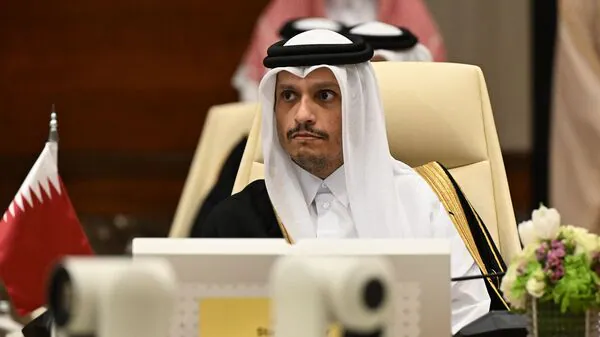
Egyptian Foreign Minister Badr Abdelatty and Qatari Prime Minister and Minister of Foreign Affairs Sheikh Mohammed bin Abdulrahman Jassim Al-Thani last week urged the United States and Iran to demonstrate "responsibility" and "wisdom" amidst escalating regional tensions. The officials called for full reliance on diplomacy to resolve disputes, emphasizing the importance of supporting the ongoing negotiation process between Washington and Tehran. They stressed that regional security and stability depend on prioritizing political solutions that safeguard the resources of the region's populations. This joint appeal shows a growing international concern over the recent surge in hostilities and the potential for wider destabilization across the Middle East. The diplomatic efforts from Doha and Cairo aim to foster a climate conducive to de-escalation, preventing further military engagements that could have severe humanitarian and economic consequences for the entire region. Both nations noted that a peaceful resolution is critical for the prosperity and well-being of all peoples in the affected areas.
Recent Clashes and Diplomatic Calls
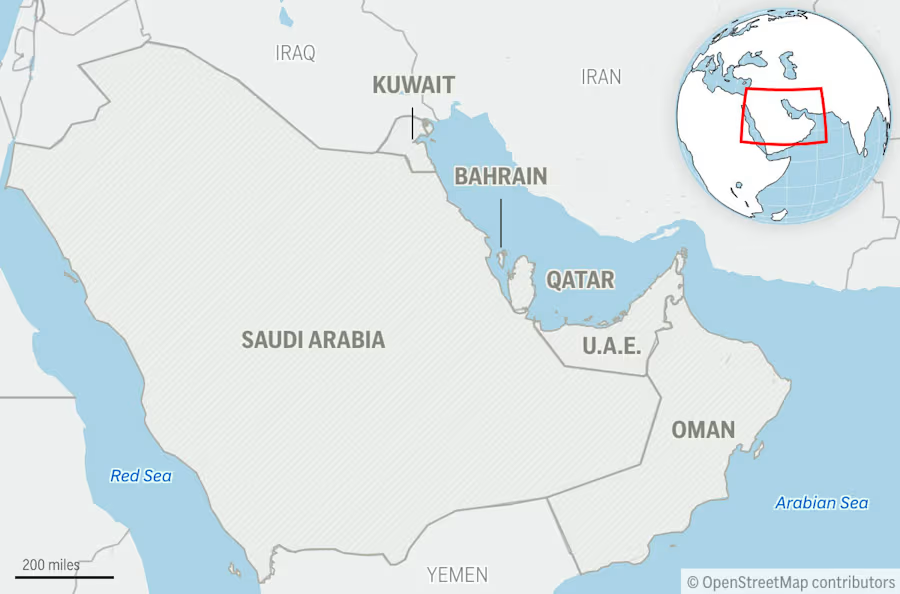
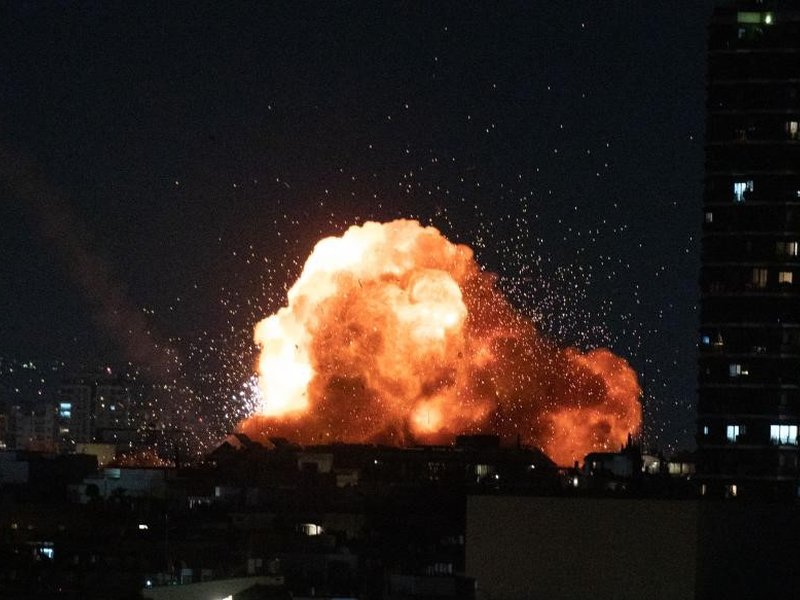
On February 28, joint attacks were launched on Iran by Israel and the United States. These coordinated military actions marked a significant escalation, contributing to the heightened tensions observed in the region. Clashes recently erupted again in and around the Strait of Hormuz, involving US attacks on Iranian vessels and coastal areas, alongside Iranian missile and drone strikes targeting US destroyers. The strategic importance of the Strait of Hormuz, a critical choke point for global oil shipments, amplifies the severity of these confrontations. The repeated incidents have raised alarms among international observers and maritime security experts, who fear broader implications for global trade and regional stability.
Iran's Islamic Revolution Guard Corps (IRGC) Navy claimed early Friday to have carried out a "large-scale and precise combined operation" using ballistic missiles, anti-ship cruise missiles, and explosive drones targeting US destroyers. According to the IRGC Navy's statement, this operation was a direct response to perceived aggressions and was executed with high precision. The IRGC Navy stated that intelligence assessments indicated "significant damage" to US vessels, prompting three destroyers to retreat from the Strait of Hormuz area. This claim, if verified, would represent a substantial impact on US naval capabilities in the region and a notable success for Iranian military strategy. The use of a combination of advanced weaponry, including ballistic missiles and explosive drones, points to Iran's evolving military doctrine and its capacity to conduct complex, multi-faceted attacks.
US Central Command (CENTCOM) stated that US forces intercepted "unprovoked Iranian attacks" and responded with self-defense strikes. CENTCOM's account emphasized the defensive nature of their actions, asserting that US forces were reacting to direct threats. CENTCOM added that it "does not seek escalation but remains positioned and ready to protect American forces." This declaration aimed to convey a message of deterrence while simultaneously signaling a desire to avoid a wider conflict. US President Donald Trump said on Thursday that no damage was done to the three American destroyers that transited out of the Strait of Hormuz. This statement directly contradicted the claims made by the IRGC Navy, creating a conflicting narrative regarding the outcome of the engagements and adding to the uncertainty surrounding the true extent of the damage or success of the operations. The discrepancy in reporting notes the challenges in assessing the situation accurately amidst ongoing hostilities and propaganda efforts from both sides.
Background to the Conflict
A ceasefire was reached between the warring sides on April 8, aiming to halt the recent surge in hostilities. This agreement provided a temporary reprieve from the intense military confrontations that had characterized the preceding weeks. The agreement followed a period of intense clashes in the Strait of Hormuz, which included US attacks on Iranian vessels and coastal areas, as well as Iranian missile and drone strikes targeting US destroyers. These recent confrontations had heightened regional tensions, prompting calls for de-escalation from international actors. The repeated military exchanges showed the fragile security environment and the urgent need for diplomatic intervention to prevent a full-scale conflict. The ceasefire, while a welcome development, was seen by many as merely a pause rather than a definitive end to the underlying disputes.
Despite the ceasefire, efforts to secure a lasting resolution have faced challenges. Peace talks held in Pakistan ultimately failed to yield an agreement between the parties involved. The inability to reach a consensus in these negotiations shows the ongoing difficulties in de-escalating the broader regional conflict. The failure of these talks to bridge the significant divides between the United States and Iran, along with their respective allies, notes the deep-seated nature of the disagreements. This diplomatic setback occurs amidst continued appeals from Egypt and Qatar for the United States and Iran to prioritize diplomacy and demonstrate responsibility to safeguard regional stability and security. The international community continues to watch closely, hoping for a breakthrough in diplomatic efforts that could pave the way for a more enduring peace.
Call for De-escalation
The call between Egyptian Foreign Minister Badr Abdelatty and Qatari Prime Minister and Minister of Foreign Affairs Sheikh Mohammed bin Abdulrahman Jassim Al-Thani took place during a phone conversation on Saturday. During their discussion, the officials reviewed developments in the ongoing negotiating track between Washington and Tehran. They reiterated their joint call for full reliance on diplomacy to settle disputes and stressed the importance of supporting the negotiation process between the US and Iran. Both foreign ministers emphasized that regional security and stability depend on prioritizing political solutions that preserve the resources of the region's peoples. They showed the potential for catastrophic consequences should the current tensions escalate further, affecting not only the immediate parties but also the wider international community. The shared commitment from Egypt and Qatar to promote dialogue and peaceful resolution reflects a broader regional desire to avert a larger conflict and protect the vital interests of their populations.