From the archive
US Officials Meet Qatari PM in Miami to Advance Iran War Ceasefire Talks
US officials met Qatari PM in Miami to discuss pathways toward a memorandum of understanding aimed at ending the war involving Iran.
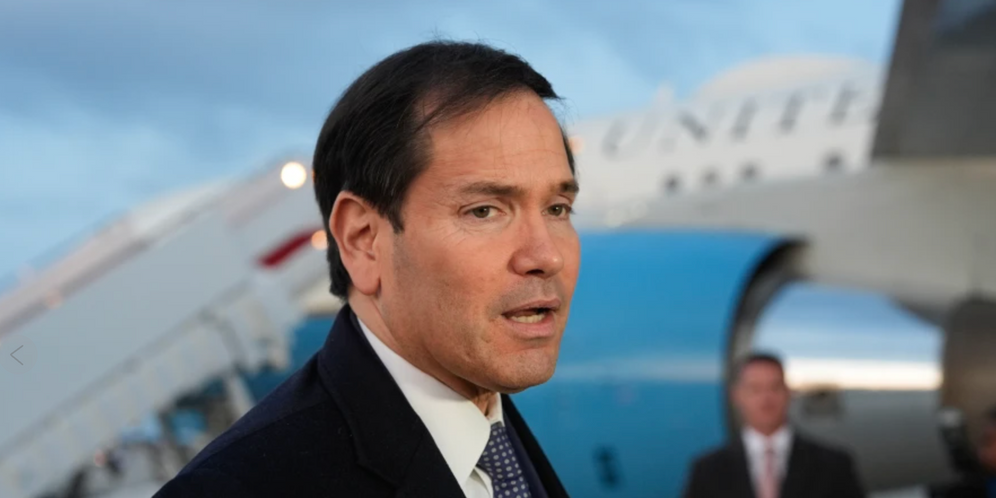
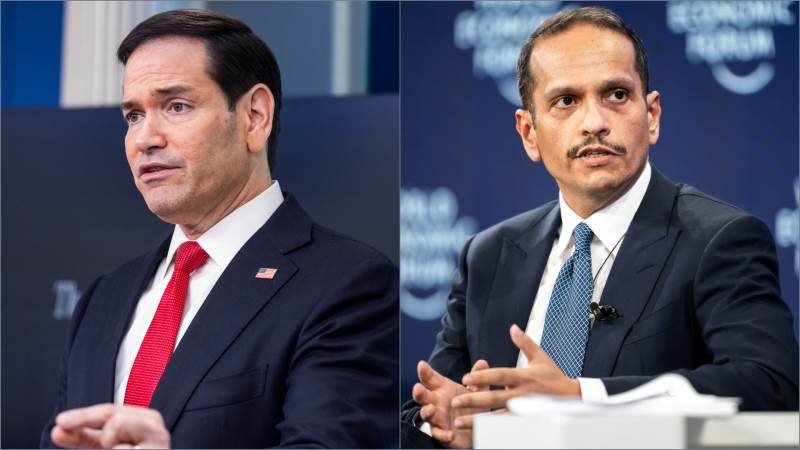
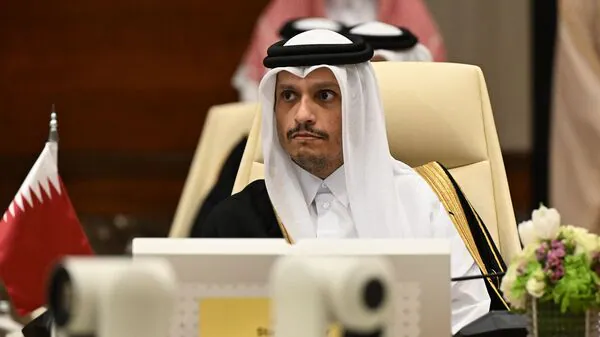
US Secretary of State Marco Rubio and White House envoy Steve Witkoff met with Qatari Prime Minister and Foreign Minister Mohammed bin Abdulrahman al-Thani in Miami on Saturday to advance ceasefire talks concerning Iran. Officials familiar with the discussions informed Axios that the Miami meeting focused heavily on pathways toward a memorandum of understanding designed to halt fighting and generate momentum for more detailed negotiations. Washington and Tehran continue negotiations over a proposed one-page memorandum intended to lay groundwork for a ceasefire and establish a framework for broader talks. This document is seen as a key first step, aiming to create a foundation for more extensive and detailed discussions between the two nations. Secretary Rubio described the current situation as "unacceptable," emphasizing the urgency of de-escalation efforts.
Diplomatic Efforts Intensify
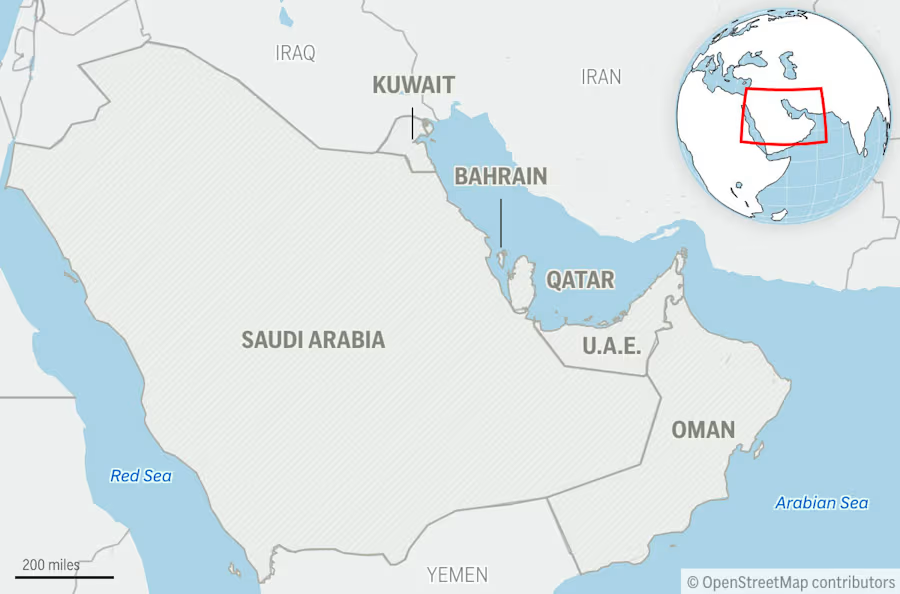
Qatar is acting as a central behind-the-scenes mediator between Iran and the United States, according to sources involved in the diplomatic efforts. The Gulf nation has taken on a significant role, leveraging its diplomatic channels to bridge the communication gap between Washington and Tehran. Pakistan, meanwhile, serves as the official intermediary in these discussions, providing a formal conduit for communications between the two sides. Qatar has been working closely with Pakistan, Egypt, Turkey, and Saudi Arabia in a coordinated diplomatic effort aimed at encouraging both Washington and Tehran towards de-escalation. This multi-national approach shows the regional and international commitment to finding a peaceful resolution. These nations are collectively striving to ensure that all parties remain engaged in the diplomatic process and move towards a sustainable ceasefire.
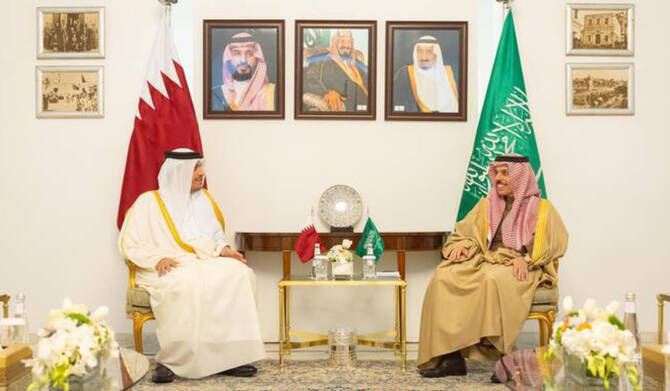
During his visit to Miami, Qatari Prime Minister and Foreign Minister Mohammed bin Abdulrahman al-Thani reportedly spoke by phone with the Saudi foreign minister. This call was specifically intended to coordinate ongoing mediation efforts, noting the collaborative nature of the diplomatic push among Gulf states. Prime Minister al-Thani had also met with US Vice President JD Vance in Washington on Friday, prior to his discussions with Secretary of State Marco Rubio and White House envoy Steve Witkoff. These high-level engagements with senior US officials show the intensified diplomatic push to advance ceasefire talks and secure a breakthrough in the protracted negotiations. The back-to-back meetings illustrate the critical importance placed on these discussions by all involved parties.
Details of the Meeting
The US State Department confirmed Secretary of State Marco Rubio’s meeting with Qatari Prime Minister and Foreign Minister Mohammed bin Abdulrahman al-Thani, indicating that the secretary expressed gratitude for Qatar's partnership on a "range of issues." This acknowledgment from the State Department notes the breadth of cooperation between the United States and Qatar beyond the immediate ceasefire talks. During their discussions, Secretary Rubio and Prime Minister al-Thani also addressed US support for Qatar’s defense capabilities, reinforcing the security alliance between the two countries. Their conversation further emphasized the importance of coordination to promote regional stability and deter threats across the Middle East, a region facing numerous complex challenges. The full nature of their dialogue reflects the strategic depth of the US-Qatar relationship. Prime Minister al-Thani altered his travel plans, opting to travel to Miami for these high-level discussions instead of returning to Doha as originally scheduled. This change in itinerary shows the critical importance and urgency attached to the Miami meeting by the Qatari leadership.
The Miami meeting occurred as US officials awaited a response from Tehran regarding ongoing negotiations. On Friday, Secretary Rubio stated that the United States was expecting a reply from Iran concerning the talks, indicating that the ball was in Tehran's court regarding the next steps. Separately, President Trump informed reporters on Friday that Washington was still waiting for Tehran’s answer to the US proposal aimed at ending the war. These public statements from both the Secretary of State and the President emphasized the current pause in the negotiations, with the US anticipating Iran's official position on the proposed framework. The waiting period notes the delicate nature of the diplomatic process, where each party's response is carefully considered and can significantly impact the trajectory of future discussions.
Stakes and Warnings
Secretary of State Marco Rubio issued a warning regarding Iran's potential actions, stating that any attempt to interfere with international maritime traffic would be "unacceptable." This firm statement from Secretary Rubio shows the broader security concerns that accompany the ongoing diplomatic efforts to de-escalate tensions and secure a ceasefire. US officials continue to monitor activities in the region closely, particularly those concerning vital shipping lanes and global trade, which are key for the international economy. The warning by Secretary Rubio notes the potential ramifications if negotiations falter or if either party escalates actions outside of the diplomatic framework currently being pursued by intermediaries like Qatar and Pakistan. This explicit warning serves as a clear delineation of unacceptable conduct as talks progress, aiming to prevent any actions that could jeopardize the fragile diplomatic process or lead to further regional instability. The United States is keen to ensure that while diplomatic channels are open, international norms and security are upheld.