From the archive
Doha Book Fair Symposium Honors Late Writer Ahmed Abdul Malik
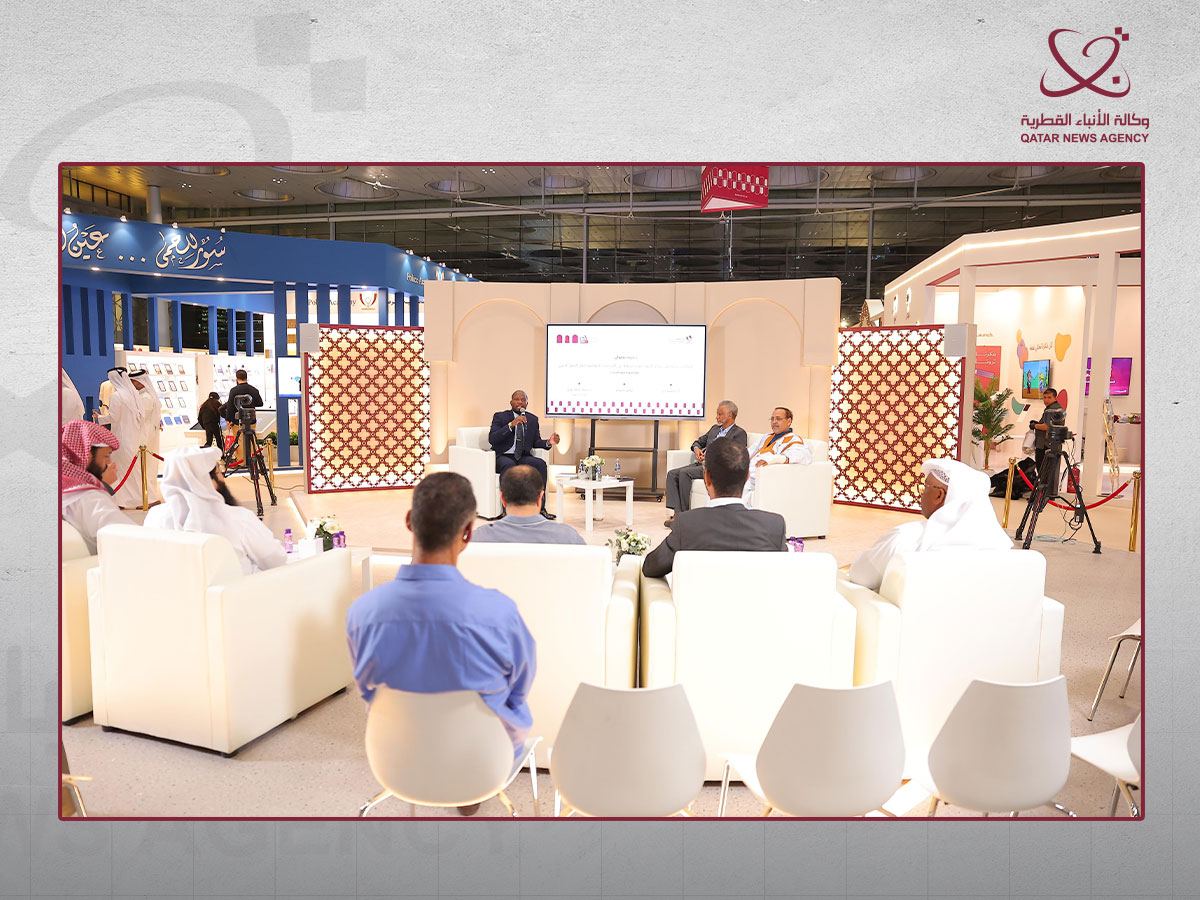
The 35th Doha International Book Fair hosted a symposium honoring late Qatari writer and media figure Ahmed Abdul Malik, celebrating his cultural…
The 35th Doha International Book Fair recently held a symposium titled 'The Memory of Literature and Living Text', dedicated to honoring the late Qatari writer and media figure Ahmed Abdul Malik. The symposium, a significant event at the fair, served as a profound tribute to Abdul Malik's extensive and multifaceted contributions to both literature and media throughout his distinguished career. It aimed to illuminate his enduring impact on the cultural landscape of Qatar and the wider Gulf region.
Tribute to a Cultural Luminary
The symposium, 'The Memory of Literature and Living Text', meticulously traced Ahmed Abdul Malik's early beginnings, situating them firmly in the 1960s. This particular period was a key time, as it coincided directly with the vibrant emergence of Qatar's broader cultural movement. This era was characterized by a burgeoning interest in arts, literature, and intellectual discourse, laying the groundwork for many of the cultural institutions and figures that would define the nation's identity.
During the event, Dr. Marzouq Bashir, a distinguished writer and researcher specializing in drama and media, shared deeply personal recollections of his long-standing relationship with Abdul Malik. Dr. Bashir’s connection with Abdul Malik was not merely professional but began in their formative years, specifically during their youth. This early bond further developed and deepened significantly during their shared experiences of studying abroad, a period that often shapes intellectual perspectives and personal convictions.
Their intellectual exchanges, which Dr. Bashir emphasized were key to their development, continued throughout different stages of their academic journeys. This included a particularly formative period during Dr. Bashir's doctoral studies in media in the United States. Dr. Bashir stated, "their intellectual exchanges continued throughout different stages of their academic journeys, including during his doctoral studies in media in the United States." These ongoing dialogues and shared intellectual pursuits were foundational to their respective careers. He added that "this was reflected in Abdul Malik's enduring presence in the Qatari and Arab cultural spheres as a thinker with a clear vision and intellectual project." This deep intellectual engagement showed Abdul Malik's role not just as a writer, but as a thought leader whose insights resonated across the region.
Enduring Legacy and Support
Ahmed Abdul Malik is widely described as one of the most prominent and influential contributors to the cultural landscape not only in Qatar but also across the entire Gulf region. Participants in the symposium noted Abdul Malik's remarkably active involvement in Qatar's theatrical and cultural scene, noting that this engagement began from an impressively early age. His commitment to the arts and cultural development was evident throughout his life. Dr. Ahmed Al Haidar, who serves as the Head of the Media Department at the International University of Kuwait and is a representative of Platinum Publishing and Distribution House, specifically stated that Abdul Malik was widely known for his unwavering support of emerging writers. This mentorship was a hallmark of his generous spirit and dedication to fostering new talent.
"The late author was widely known for supporting emerging writers and maintaining a strong presence at cultural events and book fairs," Dr. Al Haidar said, further elaborating on Abdul Malik’s consistent visibility and engagement within the literary community. He added that "Abdul Malik left a lasting mark on the Gulf cultural scene." This lasting impact was attributed to his prolific output, his insightful commentary, and his active participation in shaping the cultural narrative of the region. His contributions extended beyond his own writings, encompassing a broader role as an advocate and mentor.
Amal Ahmed Abdul Malik, herself a respected writer and media personality, spoke movingly about her father's inherent character. She particularly noted his profound commitment to language, his insistence on precision in expression, and his careful approach to organization in all his endeavors. Amal Ahmed Abdul Malik noted her father viewed "writing as a responsibility he approached with seriousness and dedication, noting his passion for mentoring young writers and reviewing their work with a thoughtful critical perspective." This deep sense of responsibility informed his entire creative process and his interactions with aspiring authors. His critical perspective was always constructive, aimed at elevating the quality of writing and encouraging intellectual rigor. Participants universally concluded that Ahmed Abdul Malik's legacy represents a full cultural experience, one that has firmly secured his distinguished place in both Gulf and Arab literary memory. His influence continues to be felt through his works and the generations of writers he inspired.
Broader Reflections on Reading
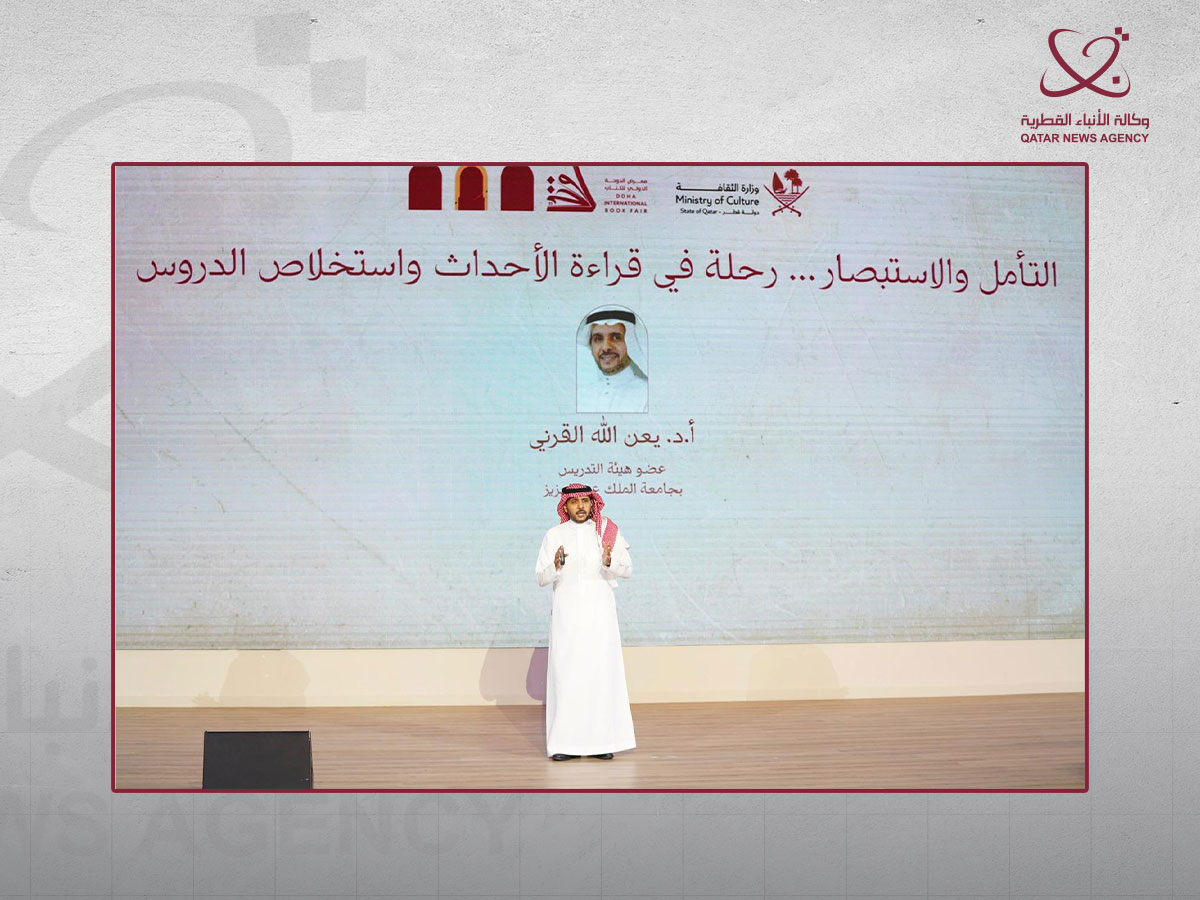
Beyond the tribute to Abdul Malik, the 35th Doha International Book Fair's main stage also featured a compelling lecture titled 'Reflection and Introspection: A Journey in Reading Events and Drawing Lessons'. This lecture provided a valuable counterpoint, broadening the intellectual scope of the fair. Dr. Ya'n Allah Al Qarni, a distinguished faculty member at the College of Education at King Abdulaziz University in Saudi Arabia, delivered the insightful presentation.
Dr. Al Qarni's lecture showed a fundamental principle: that reflection is not merely an academic exercise but a key element for comprehending life and extracting meaningful insights from everyday experiences. He particularly stressed that reflection is essential to understanding life and learning from daily experiences. He noted that many people repeat the same mistakes precisely because they fail to pause and reflect on the situations they encounter. This lack of deliberate contemplation prevents them from internalizing lessons and adapting their future actions.
He stated that "reflection is essential to understanding life and learning from daily experiences, noting that many people repeat the same mistakes because they fail to pause and reflect on the situations they encounter." Dr. Al Qarni elaborated extensively on the profound importance of introspection as an indispensable tool for personal growth and, critically, for avoiding recurrent errors. He noted that a persistent lack of deliberate contemplation often leads individuals to overlook valuable lessons that are deeply embedded in their past actions and observations. By failing to engage in this vital process, individuals miss opportunities for self-correction and continuous improvement. The lecture served as a powerful reminder of the intellectual discipline required to navigate life effectively and learn from its myriad experiences, echoing the spirit of intellectual inquiry celebrated throughout the Doha International Book Fair.