From the archive
Drone Strike Ignites Ship in Persian Gulf Amidst Stalled Peace Talks
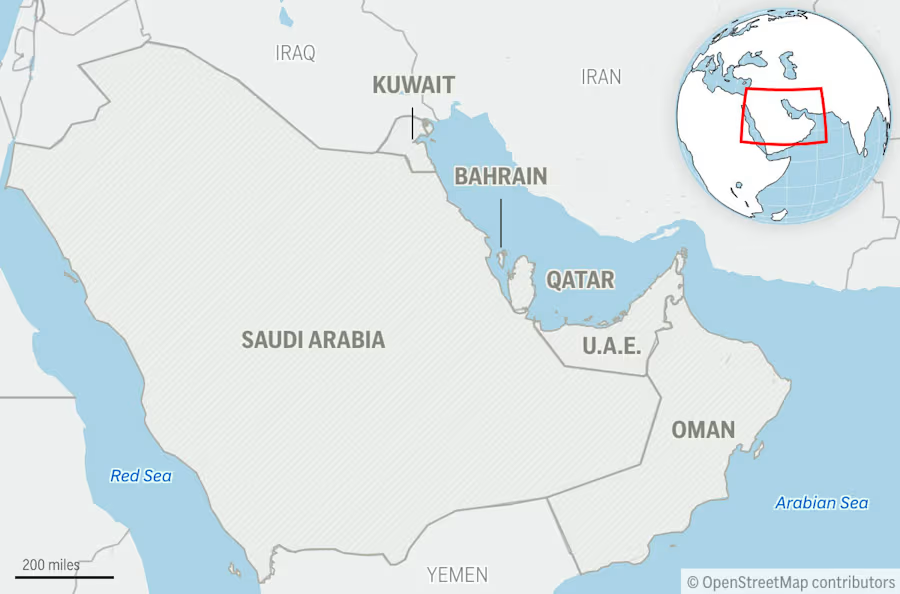
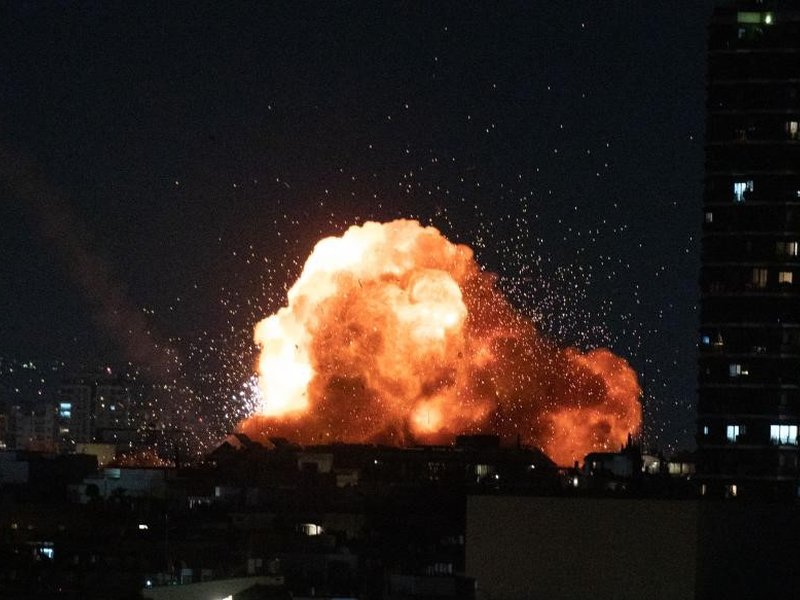
A drone strike ignited a fire on a cargo ship in the Persian Gulf within Qatar's territorial waters, escalating regional security concerns.
A cargo ship was struck by a drone in the Persian Gulf, resulting in a fire on board. The incident occurred as peace talks involving regional powers remain stalled. The drone strike caused a “limited fire on board” the commercial ship, according to reports from the area. The vessel continued its transit following the incident, showing the resilience of commercial shipping operations despite heightened risks. Authorities have not yet identified the origin of the drone or specified the vessel's flag state, leaving questions about accountability and the precise nature of the attack. Security concerns in the Persian Gulf have escalated recently amid ongoing tensions, particularly involving shipping lanes critical for global energy supplies. The Strait of Hormuz, a narrow passage connecting the Persian Gulf to the open sea, is a key chokepoint in the region, vital for a significant portion of the world's energy trade.
Gulf Shipping Under Threat
Qatar’s defense ministry stated the commercial ship was struck Sunday morning within its territorial waters. The incident involving the cargo ship took place as maritime security remains a critical concern for international commerce. No injuries were reported from the drone strike on the ship, a detail that provided some relief amidst the alarm caused by the attack. The vessel originated from Abu Dhabi and continued its journey to Mesaieed Port in Qatar after the blaze was extinguished, demonstrating a rapid response to the fire and the ship's ability to maintain its operational schedule. The drone strike on the cargo ship notes the volatile security environment in one of the world's most key maritime passages.
The incident occurred as a tanker carrying liquefied natural gas (LNG) from Qatar transited the Strait of Hormuz this weekend. That transit marked the country’s first export out of the region since the crisis began, signaling a cautious return to regular energy shipments despite the prevailing dangers. The passage of the LNG tanker shows the continued importance of the Strait of Hormuz for global energy supplies, even as security incidents persist. The Strait of Hormuz, linking the Persian Gulf to the open sea, remains a critical chokepoint for international shipping, with approximately a fifth of the world’s oil and liquefied natural gas typically flowing through it. The vulnerability of such vital arteries to drone attacks and other forms of aggression poses a significant threat to global economic stability.
Stalemate in Peace Negotiations
Iran has not yet accepted the United States proposal to end the conflict, according to official claims. The Islamic Republic has not provided any public indication it would accept President Donald Trump's plan, maintaining a stance of careful consideration. On Friday, Tehran stated that the proposal was "under review," a diplomatic phrase that suggests ongoing internal discussions but offers no clear timeline for a decision. This review process is a critical juncture in the ongoing efforts to de-escalate tensions and secure stability in the Persian Gulf.
The US proposal stipulates that Iran permits passage through the waterway, and in return, Washington would end its blockade on Iranian ports within the next month. This offer represents a potential pathway to de-escalation, aiming to address both maritime security and economic sanctions. However, the exact terms and conditions of such a deal, and Iran's willingness to accept them, remain subject to intense diplomatic maneuvering. This offer comes as negotiations between the two nations remain stalled, with no immediate breakthrough apparent, reflecting the deep-seated disagreements and mistrust that characterize their relationship. The ongoing diplomatic impasse shows the complexities of resolving tensions in the region, where historical grievances and strategic ambitions often clash.
The historical context of the conflict includes significant personal losses, such as the death of Ali Khamenei, father of Mojtaba Khamenei, who was killed in an airstrike on the first day of the war. This event notes the long-standing and deeply personal dimensions of the hostilities impacting key figures in the region, adding a layer of emotional complexity to any peace negotiations. Such historical wounds often complicate efforts to forge lasting peace, as they resonate deeply within the leadership and the populace. The review of President Trump's plan by Tehran is a critical juncture in the ongoing efforts to de-escalate tensions and secure stability in the Persian Gulf, with many regional and international actors closely watching the outcome.
Broader Regional Tensions
The conflict in the region began with US-Israeli strikes on Iran on February 28, marking a significant escalation in hostilities. A ceasefire has been in place since April 8, though tensions persist, manifesting in various forms of military and diplomatic friction. The United Arab Emirates and Kuwait reported Sunday they had intercepted hostile drones, indicating continued security challenges and the proliferation of unmanned aerial vehicle threats in the region. These interceptions show the persistent threat posed by various actors, even during periods of supposed ceasefire. Iranian Supreme Leader Mojtaba Khamenei met with one of the country's top military officials and issued "new directives" to confront their enemies, signaling a continued readiness for confrontation and a firm stance against perceived adversaries.
Thousands of people have been killed across the Middle East, primarily within the Islamic Republic, since the conflict began. This tragic loss of life shows the severe human cost of the ongoing instability. The continued instability has significant implications for global energy markets, which rely heavily on the free flow of oil and gas from the Persian Gulf. Approximately a fifth of the world’s oil and liquefied natural gas typically flows through the Strait of Hormuz, a critical chokepoint whose disruption could have catastrophic global economic consequences. Saudi Aramco has warned that oil supply disruption may persist until 2027, painting a grim picture for the future of global energy security. The company also cautioned it would take several months for the market to return to normal even if the strait reopened immediately, noting the fragility of the supply chain and the long-term impact of any sustained closure or major disruption. The economic repercussions extend beyond immediate supply shocks, affecting global prices, investment decisions, and the stability of energy-dependent economies worldwide. The drone strike and subsequent fire on the cargo ship serve as a stark reminder of the ever-present dangers in this geopolitically sensitive area.