From the archive
Drone Strikes Cargo Ship Off Qatar Amidst Iran's Strait of Hormuz Warnings
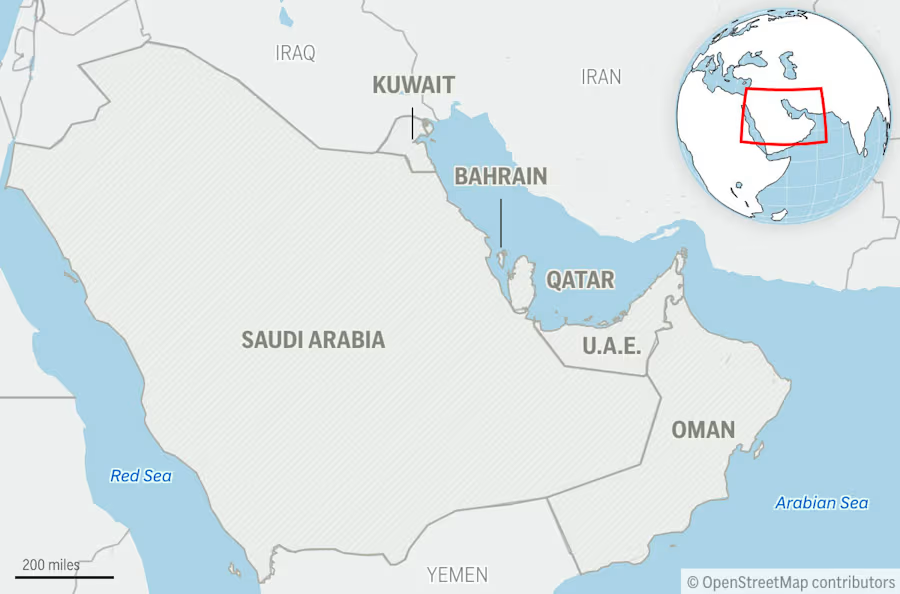
A commercial cargo ship was struck by a drone off Doha, Qatar, on Sunday morning. The incident occurred as Iran issued warnings regarding maritime passage.
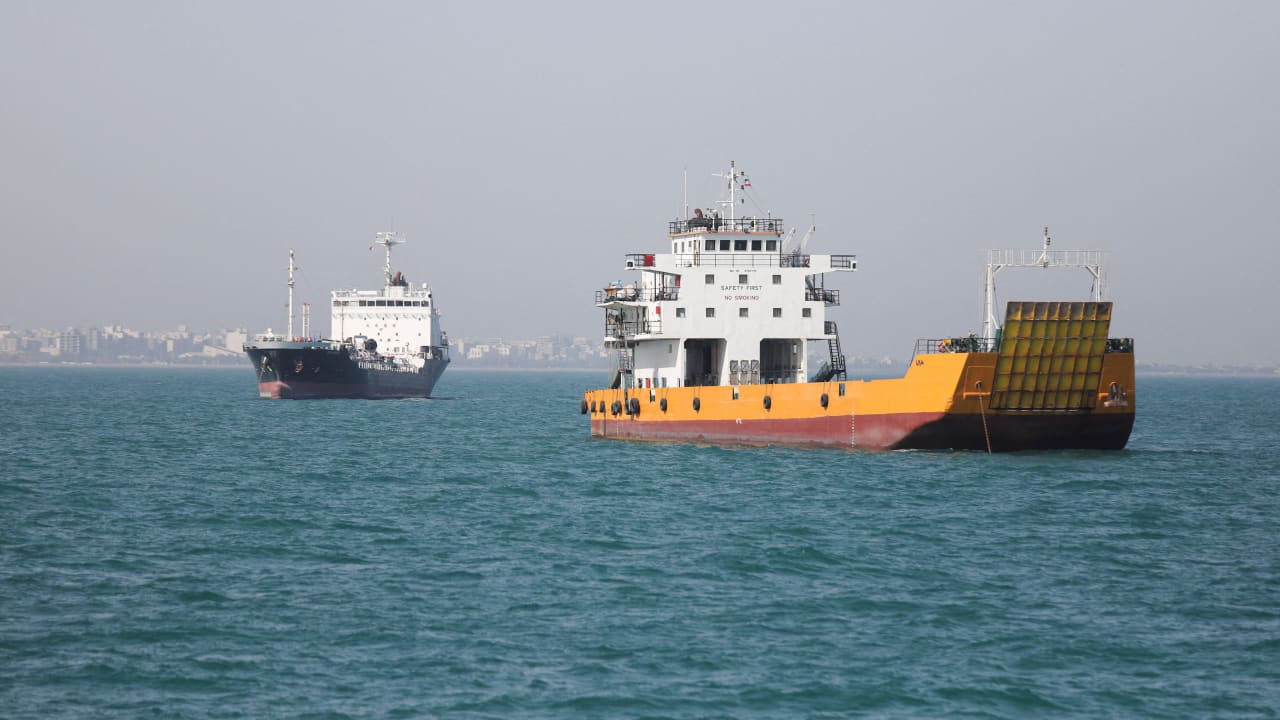
A commercial cargo vessel, inbound from Abu Dhabi, was struck by a drone on Sunday morning off the coast of Doha, Qatar. The incident occurred as the ship was traveling towards its destination, Mesaieed Port. The vessel, which originated from Abu Dhabi, was on its planned route when the drone attack took place. Details regarding the extent of the damage or the identity of the vessel remain limited at this time, pending further investigation. The precise nature of the drone and its origin have not yet been disclosed by authorities. This incident adds to growing concerns over maritime security in the region, a critical waterway for global trade.
Drone Strike Details
The UK Maritime Trade Operations (UKMTO) had previously reported the incident involving the commercial cargo vessel. The drone strike resulted in a small fire onboard the ship, according to initial reports. The crew successfully extinguished the blaze shortly after it began, demonstrating effective emergency response protocols. Authorities confirmed that no injuries were reported among the crew members following the drone attack, a key detail noting the crew's safety despite the hostile act. After the fire was put out, the vessel continued its journey towards Mesaieed Port to dock as planned, indicating that the damage sustained was not critical enough to prevent its onward voyage. The ship was able to proceed without further reported complications after the incident, eventually reaching its intended destination. The resilience of the crew and the vessel's operational integrity were key factors in mitigating the impact of the attack.
Iran's Strait of Hormuz Stance
Iranian Army Spokesperson Mohammad Akraminia stated that vessels from countries complying with US sanctions against Iran would face difficulties crossing the Strait of Hormuz. This declaration linked the passage of ships directly to adherence to international sanctions against Iran, signaling a potential escalation in regional maritime policies. Akraminia's comments show Iran's assertive posture regarding its territorial waters and its willingness to enforce its interpretations of international law in response to sanctions. The Strait of Hormuz, a narrow choke point between the Persian Gulf and the Arabian Sea, is globally recognized as a strategically vital waterway, with approximately one-fifth of the world's oil supply passing through it.
Concurrently, Iranian lawmakers are drafting a bill aimed at formalizing Iran's management of the Strait of Hormuz. The proposed legislation would include provisions to forbid passage through the strategic waterway to vessels of what it terms 'hostile states'. This legislative effort suggests a long-term strategy by Iran to exert greater control over the strait, potentially impacting global shipping and trade routes. The implications of such a bill, if passed, could be broad, leading to increased tensions with international maritime powers and nations that rely heavily on the strait for energy exports and imports. The move is seen by many as a direct challenge to the principle of freedom of navigation in international waters.
Shortages resulting from this blockade have sent shockwaves through the global market, leading to oil prices soaring worldwide. The disruption to the flow of crude oil and other commodities through such a critical artery has immediate and profound economic consequences. The International Energy Agency (IEA) described this situation as "the largest supply disruption in the history of the global oil market." This assessment from a leading international body notes the severity of the crisis and its potential to destabilize global energy markets. The IEA's statement shows the unprecedented nature of the supply challenges and the broad impact on economies reliant on stable oil prices. The economic repercussions extend beyond oil, affecting various sectors dependent on global trade and supply chain stability.
Qatari Vessel's Transit Attempt
On Saturday night, ship-tracking data showed the Qatari tanker, Al Kharaitiyat, would attempt to break through the naval blockade imposed by Iran. This move would mark Qatar's first successful export from the region through the Strait of Hormuz since the commencement of the Iran War, if the transit is completed. The Al Kharaitiyat is reportedly in transit between Oman and Iran, with its final destination being Pakistan, indicating a significant journey through contested waters. The attempt by the Al Kharaitiyat is being closely watched by international observers and maritime security agencies, given the heightened tensions in the region.
Prior to this attempt, Qatar has made numerous other efforts to transit the Strait of Hormuz during the ongoing blockade. However, each previous attempt by Qatari ships has resulted in them being forced to return without completing passage, noting the effectiveness of Iran's enforcement measures. These prior unsuccessful attempts show the challenges faced by Qatari vessels in navigating the strait under current conditions and the persistent nature of the blockade. The current transit attempt by the Al Kharaitiyat therefore carries significant symbolic and practical importance for Qatar's ability to maintain its export routes. The success or failure of this particular transit could set a precedent for future attempts by Qatari vessels and potentially influence the broader dynamics of maritime access in the Persian Gulf.