From the archive
Qatar PM Sees High Probability of US-Iran Diplomatic Breakthrough
Qatar's Prime Minister expresses optimism for a US-Iran diplomatic breakthrough, citing a high probability of progress amid regional tensions and the…
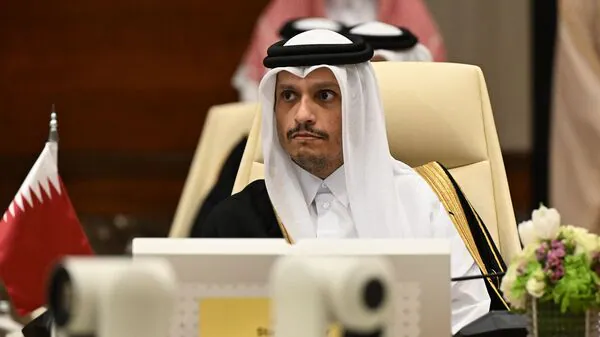
Qatari Prime Minister Sheikh Mohammed bin Abdulrahman bin Jassim Al-Thani indicated a "high probability" of a diplomatic breakthrough between the United States and Iran on Thursday. The Prime Minister's statement comes amidst ongoing regional tensions, including the effective closure of the Strait of Hormuz by the Islamic Revolutionary Guard Corps (IRGC). The IRGC has maintained the closure of the critical waterway since the US-Israel war commenced in late February. This closure has significantly impacted global shipping lanes and oil supplies, adding urgency to diplomatic efforts. Sheikh Mohammed's remarks suggest potential avenues for de-escalation in the complex relationship between Washington and Tehran, which has been fraught with challenges for decades. The Qatari government, through its top diplomat, has consistently advocated for peaceful resolutions to regional conflicts.
Doha's Diplomatic Efforts
Sheikh Mohammed noted "positive progress" between Washington and Tehran during an interview with _Al-Araby Al-Jadeed_. Doha has been actively engaged in diplomatic efforts, maintaining contact with Pakistani mediators to bridge the gaps between the United States and Iran. These efforts show Qatar's role in facilitating communication between the two nations, leveraging its neutral stance and strong ties with both Western and Middle Eastern powers. Qatar has a history of mediating complex international disputes, often providing a discreet channel for dialogue when direct communication is difficult. The involvement of Pakistani mediators adds another layer to these intricate diplomatic maneuvers, indicating a broad-based, multi-national push for a resolution. This collaborative approach reflects the widespread desire for stability in the volatile Middle East region.
Meanwhile, US Secretary of State Marco Rubio indicated that Washington expects a response from Tehran regarding the draft agreement for ending the war "today at some point." Rubio stated, "We're expecting a response from (Iran) — we'll see what the response entails." He added that "the hope is that it's something that 'can put us into a serious process of negotiation.'" This statement from a high-ranking US official shows the immediate anticipation within Washington for a concrete step forward in the diplomatic process. The draft agreement represents a significant effort to codify terms for de-escalation and potential peace, and its acceptance or rejection by Tehran will be a key moment. Despite these diplomatic overtures, Iranian Foreign Ministry spokesperson Esmaeil Baqaei accused Washington on Thursday night of breaching the ceasefire and international law. Baqaei's comments highlight the deep-seated mistrust and differing interpretations of international protocols that continue to complicate negotiations. This public accusation from Tehran demonstrates that while diplomatic channels are open, significant obstacles and points of contention remain between the two adversaries.
Strait of Hormuz Impact
The Qatari Prime Minister, Sheikh Mohammed bin Abdulrahman bin Jassim Al-Thani, arrived in Washington, D.C. On Friday for a scheduled meeting with US Vice President JD Vance. His visit to the US capital provided an opportunity for high-level discussions on the critical state of US-Iran relations, further cementing Doha's mediating role. While in Washington, Sheikh Mohammed stressed that any potential agreement between the United States and Iran must safeguard the interests of Gulf countries and the wider international community. This emphasis reflects the broader regional concerns regarding the stability of maritime trade routes and energy supplies, particularly given the IRGC's actions in the Strait of Hormuz. The Strait, a vital chokepoint for global oil shipments, has seen increased tensions and disruptions, which directly impact the economic stability of Gulf nations and the global economy. His remarks come as Iran's _Tasnim_ news agency reported that the Islamic Republic is currently reviewing the latest proposal from Washington regarding a diplomatic resolution. The review process in Tehran is key, as it will determine the viability of the current diplomatic track and the potential for an enduring peace.
Regional and Global Stakes
Discussions between Qatari Prime Minister Sheikh Mohammed bin Abdulrahman bin Jassim Al-Thani and US Vice President JD Vance were expected to include the ongoing war between the United States and Iran. This meeting in Washington, D.C. Shows the diplomatic efforts to address the conflict and its regional implications, including the security of vital shipping lanes and the prevention of further escalation. The Qatari Prime Minister's visit facilitated high-level talks on the critical state of US-Iran relations, as Doha continues its mediating role, attempting to find common ground between the two nations. The stakes of these discussions are immense, encompassing not only regional stability but also global economic impacts due to the region's importance in energy markets.
United States President Donald Trump issued a warning to Iran, stating that renewed and intense bombing would occur if no agreement were reached. President Trump's statement notes the perceived urgency from the US side regarding a diplomatic resolution and the potential for escalation if talks fail. Such warnings often accompany sensitive diplomatic negotiations, aiming to exert pressure on the opposing party and show the potential consequences of inaction. This strong rhetoric from the US President serves as a clear indication of the seriousness with which Washington views the current standoff and its determination to achieve a resolution, whether through diplomacy or, if necessary, through military means.
Iran's Foreign Minister Abbas Araghchi criticized Washington on the social media platform X, questioning its choice of military adventure when diplomatic solutions were available. Araghchi's remarks reflect Tehran's perspective on the US approach to the conflict, suggesting that Iran views Washington as prioritizing military action over peaceful resolutions. This public criticism from a senior Iranian official indicates the persistent distrust and divergent viewpoints between the two nations despite ongoing diplomatic efforts. The exchange of public statements, sometimes confrontational, often occurs in parallel with private diplomatic discussions, serving to manage domestic expectations and international perceptions while negotiations proceed behind the scenes. This complex interplay of public posturing and private engagement defines the current state of US-Iran relations.