From the archive
Gas Exporters Urge EU to Soften Methane Rules Amid Energy Security Concerns
Gas exporters including the US and Qatar are urging the EU to soften new methane rules, warning they could threaten Europe's energy security and global…
The United States, Qatar, and other natural gas exporters are pressing the European Union to relax specific pending methane emissions regulations. These nations are reportedly concerned that the EU's proposed rules could impact energy security and the global gas supply chain, potentially threatening the bloc’s energy security. The push comes as Europe continues to diversify its energy sources and reduce reliance on Russian gas, making stable supply key for the continent.
Exporters' Formal Plea
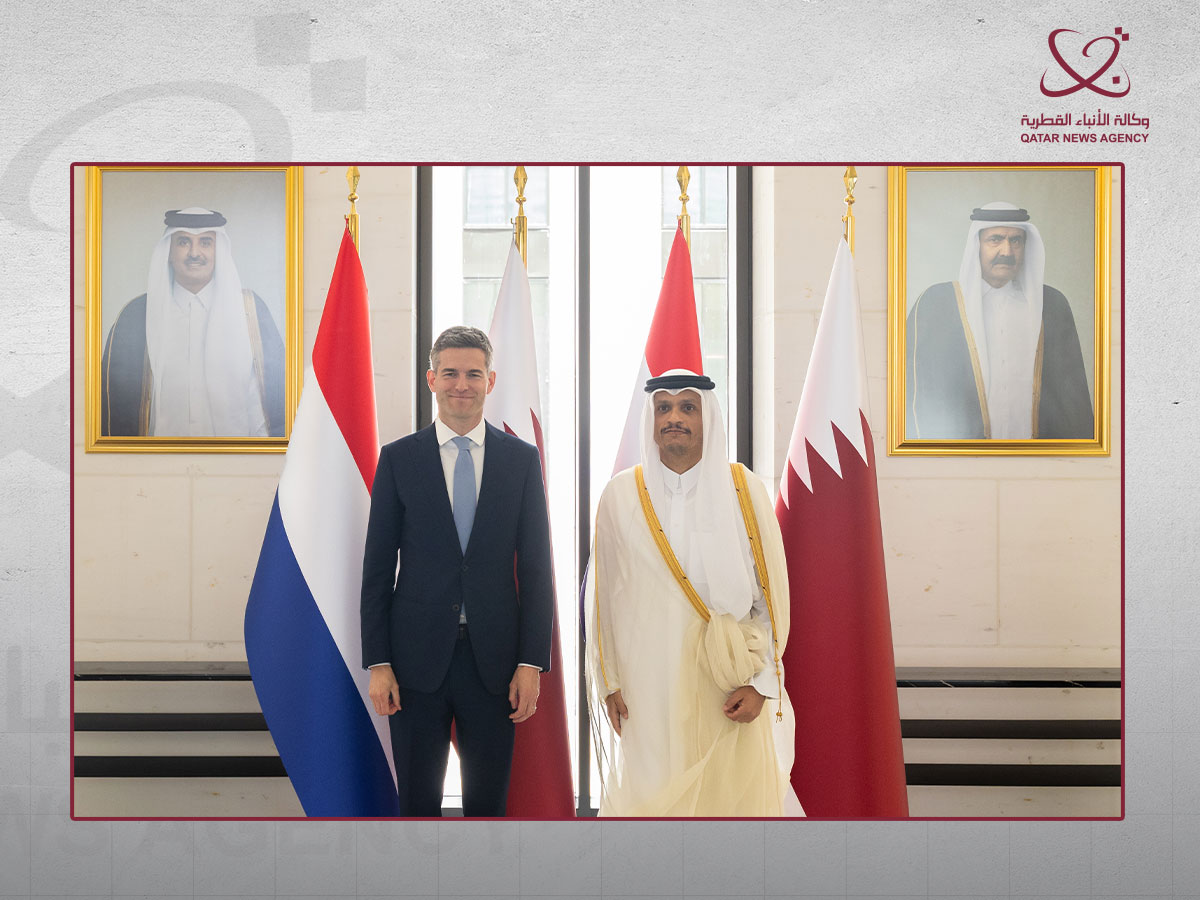
In a formal communication to European leaders, the United States and Qatar, alongside other gas-producing nations, requested a "pragmatic approach" to the European Union's impending methane regulations. The countries, including the US, Qatar, and other natural gas exporters, specifically asked for a pragmatic approach to clarifying the rules and adopting changes that would allow importers to continue to obtain the oil and gas needed by the EU. The exporters' letter emphasized the need for clarity in the rules and the adoption of amendments that would ensure EU importers can maintain access to the necessary oil and gas supplies. This collective appeal shows concerns among suppliers that stringent implementation of the methane rules could disrupt global energy markets and affect Europe's ability to secure diverse energy sources, particularly as it seeks to reduce reliance on Russian gas. The nations advocated for a regulatory framework that balances environmental objectives with the critical imperative of energy security for the European bloc, noting their shared interest in both environmental stewardship and stable energy markets.
Methane Rules Context
The European Union's proposed methane regulations are currently set to take effect on June 23, 2026, at 6:06 PM UTC. These regulations aim to reduce methane emissions across the energy sector, including oil and gas operations. The EU's initiative is part of its broader climate agenda, intending to achieve significant reductions in greenhouse gas emissions by 2030 and climate neutrality by 2050. The specific rules under discussion include requirements for monitoring, reporting, and verifying methane emissions, as well as obligations to repair leaks and restrict venting and flaring practices. These measures are designed to tackle methane, a potent greenhouse gas, directly at its source within the energy supply chain. The timeline for implementation has become a point of contention as gas exporters voice concerns about the feasibility and potential impact of meeting these stringent deadlines, suggesting that the current schedule may not allow for adequate adaptation by suppliers.
Energy Security Stakes
The United States, Qatar, and other natural gas exporting countries have warned the European Union that its proposed methane regulations could jeopardize the bloc's energy security. Exporters argue that strict implementation of the rules might disrupt global gas supply chains, potentially impacting Europe's access to vital energy resources. This concern is particularly acute as the EU continues its strategy to diversify energy sources and diminish its reliance on Russian natural gas, a geopolitical imperative that has gained significant urgency in recent years. The exporting nations are advocating for a more pragmatic regulatory approach that balances environmental protection with the critical need for a stable and secure energy supply for European member states. Their joint communication to European leaders showed the potential for the new regulations to inadvertently undermine the EU's efforts to ensure consistent energy availability, especially during a period of ongoing global energy market volatility. The countries warned that the regulations, if too rigidly applied, could threaten the bloc’s energy security by limiting the pool of available suppliers or increasing the cost and complexity of imports.