From the archive
Gulf Nations Demand Stronger Defences Amid Shifting Alliances
Qatar and UAE call for stronger Gulf defences, citing insufficient US protection and concerns over Iran's influence on regional economies.
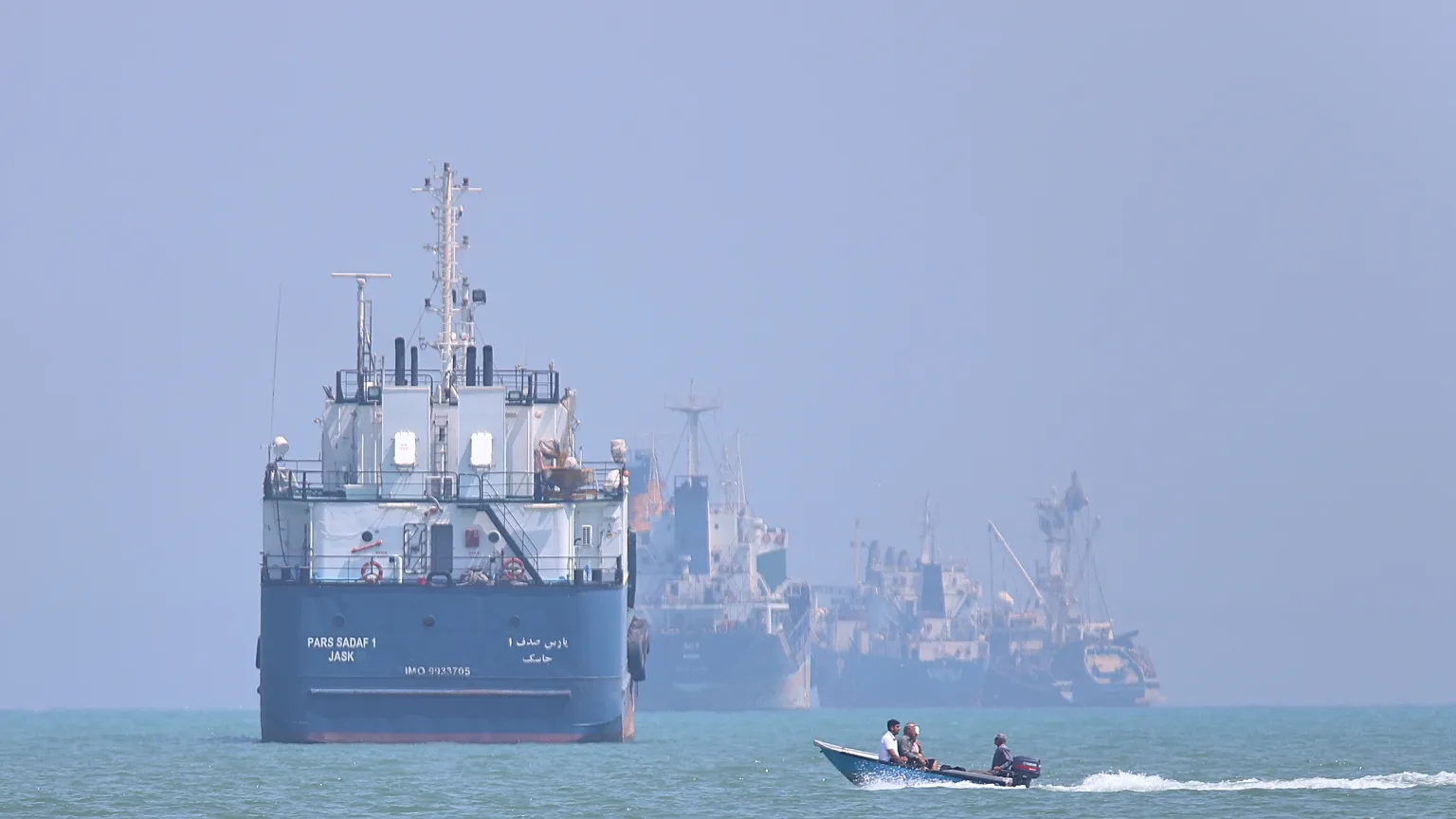
Qatar and the United Arab Emirates have called for stronger Gulf defences, a development reported on August 9, 2026, at 16:11 GMT+2. The demand from the two nations shows regional concerns amid evolving geopolitical dynamics, signaling a significant shift in strategic thinking across the Arabian Peninsula. This collective call notes a growing imperative among Gulf Cooperation Council (GCC) members to enhance their sovereign defensive capabilities and reduce reliance on external security guarantees.
Regional Security Imperatives
The Gulf region no longer considers US security protection sufficient, according to recent assessments. This perspective suggests a re-evaluation of long-standing defence postures in light of current geopolitical shifts, including a more complex threat landscape and evolving global power dynamics. The recognition that traditional alliances may not fully address contemporary challenges has prompted a proactive reassessment of regional security frameworks. The United Arab Emirates has initiated the development of alternative trade routes, a strategic move that reflects broader regional efforts to diversify economic and logistical dependencies. These new routes are designed to enhance resilience and reduce vulnerability to disruptions, supporting the UAE's long-term economic stability and ensuring continuity of vital supply chains. This initiative is a tangible example of how Gulf nations are actively seeking to mitigate risks across various sectors, moving beyond purely military considerations. The diversification of trade pathways further underlines a proactive approach to security that extends beyond traditional military alliances, encompassing economic and logistical resilience as core components of national defence. This shift shows a growing emphasis on self-reliance and multi-faceted security strategies among Gulf nations, aiming to build strong internal capacities to safeguard their interests.
Economic Vulnerabilities and Autonomy
The economies of Qatar and the UAE "cannot be held hostage" by Tehran, officials stated, indicating a clear stance on maintaining economic autonomy. This declaration notes regional concerns about potential external pressures impacting their economic stability and shows a broader strategy to mitigate vulnerabilities. The Gulf nations are actively working to safeguard their financial interests against geopolitical risks, recognizing that economic independence is key for overall national security. This involves diversifying investment portfolios, strengthening domestic industries, and securing international trade relationships to prevent undue influence. Ensuring the independence of their economic frameworks is seen as critical for long-term growth and stability in the region, allowing them to pursue their development agendas without external coercion. This position reflects a desire to protect their diverse trade relationships and investment portfolios from being influenced or constrained by external actors, reinforcing their commitment to self-reliance and sovereign decision-making in economic matters. The emphasis on economic autonomy is a cornerstone of their broader strategy to build resilient and independent states capable of navigating regional complexities.
Diplomatic Hurdles with Iran
Building trust with Iran remains "a mountain to climb," according to regional observers. The assessment notes the significant diplomatic challenges facing Gulf nations as they seek to navigate complex geopolitical relationships with their powerful neighbor. Despite recent efforts towards de-escalation and dialogue, underlying tensions persist, making substantial progress difficult and often fragile. Historical grievances, differing geopolitical ambitions, and ongoing proxy conflicts continue to fuel a deep-seated mistrust that complicates any overtures for lasting peace. Gulf states, including the UAE and Qatar, have expressed a desire for regional stability, yet deep-seated historical and political factors continue to complicate overtures to Tehran, requiring careful and measured engagement. This situation necessitates cautious engagement while simultaneously pursuing enhanced defense capabilities, creating a dual-track approach to security. The metaphor shows the depth of mistrust that needs to be overcome for any meaningful and lasting diplomatic breakthroughs to occur in the Gulf region, suggesting that a significant and sustained effort will be required from all parties involved to bridge the existing divides.