From the archive
Gulf States Diversify Routes Amid Regional Instability
Gulf states, led by the UAE, are diversifying trade and energy routes to enhance security and reduce reliance on the US amid regional instability and…
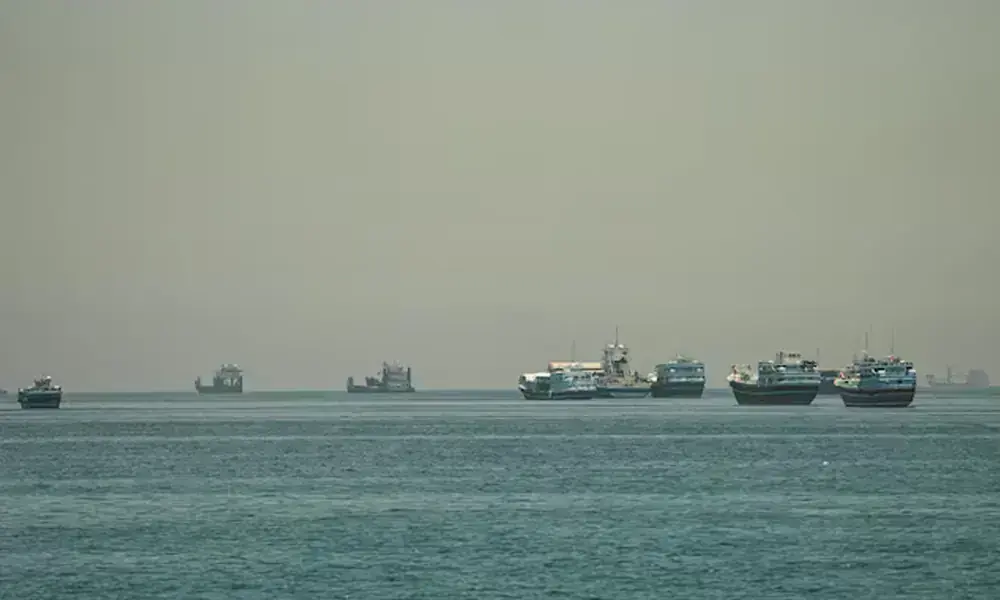
The United Arab Emirates is developing alternative routes for its energy exports and trade, a move aimed at enhancing regional stability. This diversification effort follows a conflict that began on February 28, sparked by US and Israeli strikes on Iran. The Emirates' initiative seeks to secure supply chains and reduce reliance on existing, potentially vulnerable, trade passages amidst heightened tensions in the Gulf region. This strategic pivot by the United Arab Emirates underlines a growing regional imperative to safeguard economic interests against geopolitical shocks and ensure continuous access to global markets. The full plan encompasses various infrastructure projects designed to bolster the nation's resilience.
Diversifying Trade and Energy Corridors
Tehran fired missiles at the United Arab Emirates and attacked its oil tankers in the Strait of Hormuz, prompting concerns about maritime security in the vital waterway. These aggressive actions by Iran have directly contributed to the urgent need for Gulf states to re-evaluate and fortify their trade and energy infrastructure. The attacks have showed the vulnerabilities of existing trade and energy routes for Gulf states, particularly the critical choke point of the Strait of Hormuz. The repeated incidents in the region have noted how quickly established supply lines can be jeopardized, impacting not only regional economies but also global energy markets.
In response to these developments, the United Arab Emirates has been expanding port capacity along its eastern coast. This strategic initiative aims to reduce reliance on the Strait of Hormuz for its exports and imports, offering alternative access points to international waters. Simultaneously, the UAE is developing new pipelines, railways, and other trade routes to establish alternative corridors for its energy and goods. These efforts are not merely about creating backup options but about fundamentally reshaping the nation's logistical capabilities. The diversification efforts are part of a broader strategy to secure supply chains and enhance economic resilience amidst regional instability. These infrastructure projects are intended to provide multiple pathways for trade, mitigating potential disruptions from geopolitical tensions or direct attacks on shipping lanes, thereby ensuring the uninterrupted flow of commerce and energy.
Regional Conflict and Economic Fallout
Iran closed the Strait of Hormuz, a vital maritime passage that once served as a conduit for one-fifth of global energy supplies. This drastic measure by Iran had immediate and broad consequences for the global economy. The disruption in the Strait of Hormuz led to a significant increase in energy prices, triggering a global economic crisis as businesses and consumers worldwide grappled with rising costs. The closure of the strait noted the vulnerability of international trade routes to regional instability and the profound impact geopolitical events can have on global supply chains.
While a preliminary ceasefire was established in June, it has since unraveled, indicating a continued state of tension in the region. The collapse of the ceasefire has reignited concerns about renewed hostilities and further disruptions to critical shipping lanes. The ongoing situation shows the challenges faced by global energy markets and the broader economy, as key shipping lanes remain susceptible to geopolitical events. The unraveling of the ceasefire suggests that the regional conflict continues to pose significant risks to international commerce and stability, necessitating proactive measures by nations dependent on these routes. The sustained instability has prompted many nations, including the UAE, to accelerate their plans for economic self-reliance and diversified trade corridors.
Calls for Security Self-Sufficiency
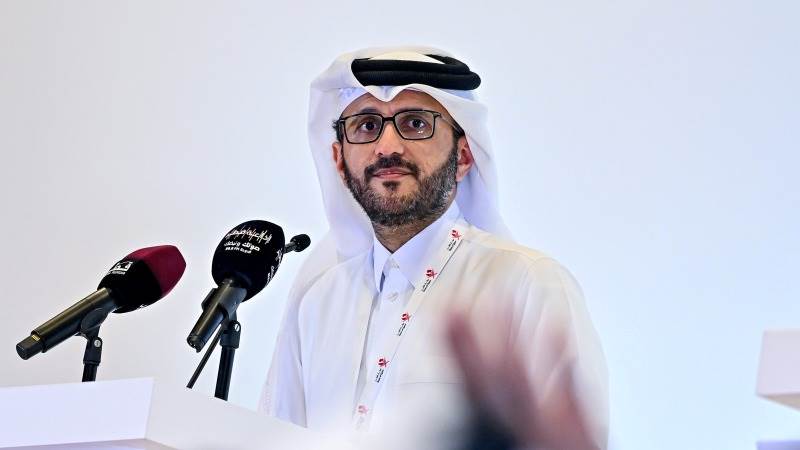
Gulf Arab countries should not rely solely on their strategic partnership with the United States for security, according to Qatar's foreign ministry spokesperson. Speaking at the Hili Forum, Majed al-Ansari emphasized the need for regional states to develop their own security capabilities. This sentiment was echoed by United Arab Emirates presidential adviser Anwar Gargash, who spoke on Monday about the evolving security landscape. The discussions at the Hili Forum and comments from prominent regional figures reflect a growing consensus that regional security must be built on a foundation of independent strength and collective cooperation among Gulf nations.
Anwar Gargash stated, "Our security is our first priority. When we depend entirely on others, we cannot always assume it will be their priority." He showed the importance of self-reliance in safeguarding national interests and ensuring the protection of vital economic infrastructure. Gargash also addressed the principle of maritime passage, asserting that "Freedom of navigation is not a concession to be granted, nor a principle to be renegotiated under pressure." This notes a growing regional focus on securing vital trade routes independently and asserting sovereignty over their economic lifelines. The statements from both Majed al-Ansari and Anwar Gargash signal a strategic shift towards greater autonomy in defense and a more strong regional approach to security challenges.