From the archive
Gulf Nations Report Drone Incidents Amid Heightened US-Iran Tensions
UAE, Qatar, and Kuwait report drone incidents amid rising US-Iran tensions in the Gulf region, highlighting regional security concerns and aerial…
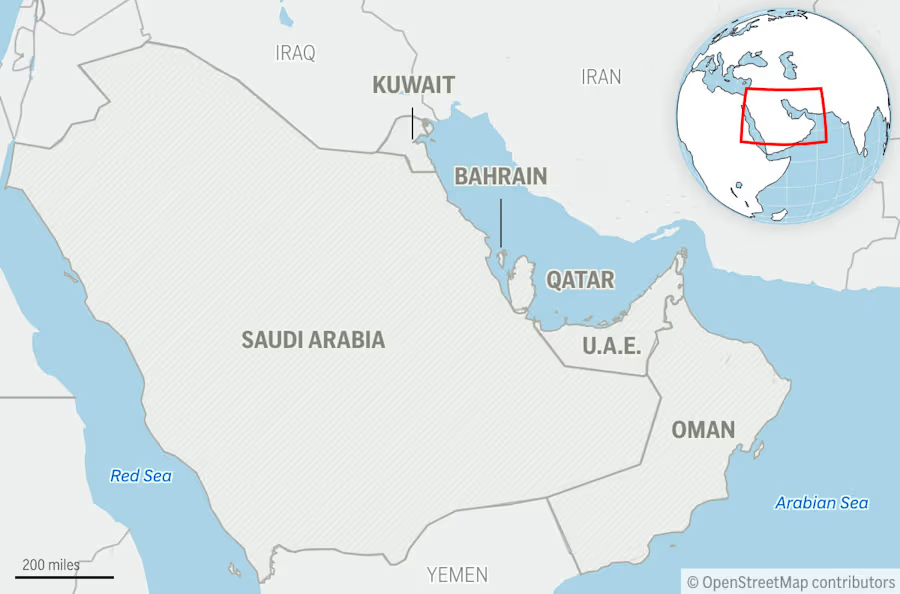
Gulf nations have recently reported drone incidents, with the United Arab Emirates intercepting two drones launched from Iran. This interception marks a significant development in the region's security landscape. Concurrently, Kuwait reported hostile drones entering its airspace, further indicating a pattern of aerial incursions. These events occurred amid heightened tensions between the United States and Iran, raising concerns about regional stability and the potential for broader conflict. The incidents highlight the increasing use of unmanned aerial vehicles in the Gulf of Oman and Strait of Hormuz regions, which are critical waterways for global commerce. The proliferation of such incidents shows the volatile nature of the current geopolitical environment in the Middle East.
Drone Activity Across The Gulf
Qatar confirmed a commercial cargo vessel was struck by a drone off its coast. This incident adds to a series of reported drone activities across the Gulf region, which have raised concerns among international maritime organizations and coastal states regarding the safety of shipping. Authorities in Qatar did not immediately provide details on the extent of the damage to the cargo vessel or its origin, leaving many questions unanswered about the nature of the attack. The confirmation follows recent reports from other Gulf nations regarding similar incursions, contributing to a broader pattern of unmanned aerial vehicle incidents in strategic waterways. These events show growing regional anxieties over maritime security and the potential for drone technology to be used in ways that could disrupt international shipping lanes, posing a direct threat to global trade. The repeated nature of these incidents suggests a deliberate strategy rather than isolated occurrences, prompting calls for increased vigilance and security measures.
Context of US-Iran Confrontation
These incidents unfolded amid rising tensions between the United States and Iran in the Strait of Hormuz. The strategic waterway has been a focal point for military activity and geopolitical friction, serving as a critical chokepoint for a significant portion of the world's oil supply. In a related development, US forces disabled Iranian-linked tankers in the Gulf of Oman. This action by US forces shows the ongoing confrontation between the two nations in critical maritime areas, demonstrating the readiness of American forces to respond to perceived threats. The disabling of the tankers adds to a pattern of escalations observed in the region, reflecting the broader security challenges and the tit-for-tat nature of the conflict. Both the Strait of Hormuz and the Gulf of Oman are vital for global energy shipments, making any confrontation in these waters a matter of international concern that can have broad economic consequences. The heightened military presence and operational maneuvers by both sides contribute to an environment of increased risk for commercial shipping and regional stability, complicating navigation for civilian vessels.
Regional Implications and Warnings
Iran warned that any "enemy ships" operating in the Gulf could be targeted, a declaration that intensified concerns about regional stability and the potential for miscalculation. This statement from Iran came amidst a series of drone incidents reported by Gulf nations, including the United Arab Emirates and Kuwait, suggesting a direct link between the rhetoric and the actions observed. The warning suggests a potential escalation of maritime confrontations in strategic waterways such as the Strait of Hormuz and the Gulf of Oman, which could impact global supply chains. Such rhetoric contributes to an already volatile environment, where US-Iran tensions have led to increased military maneuvers and incidents involving unmanned aerial vehicles. The threat to "enemy ships" could impact international shipping and further destabilize a region vital for global energy supplies, potentially leading to higher insurance premiums and disrupted trade routes. The declaration follows reports of drone activities affecting commercial vessels, raising alarm among international maritime organizations regarding the safety of navigation and the protection of civilian assets in these critical waters. The international community watches closely for any further developments that could exacerbate the already fragile security situation.