From the archive
Gulf Nations Urged Towards Security Self-Sufficiency Amid Regional Tensions
Gulf nations must prioritize security self-sufficiency, as alliances with the US and others are not enough for regional stability.
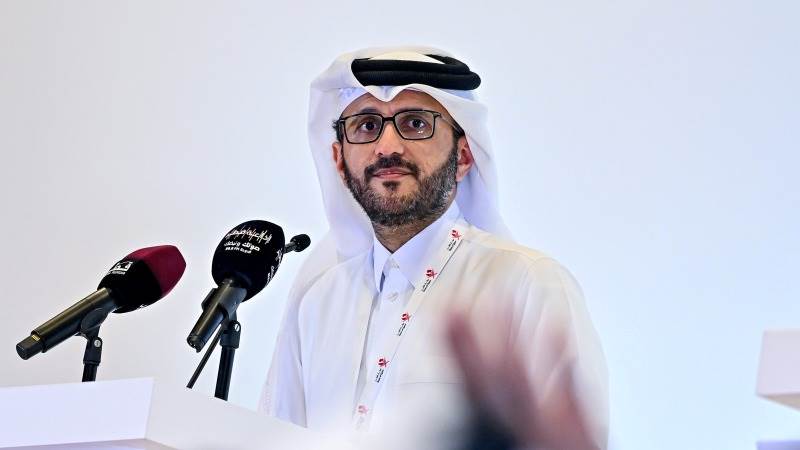
Qatar’s foreign ministry spokesman stated at the Hili Forum in Abu Dhabi that Gulf nations must pursue security self-sufficiency despite alliances. The spokesman emphasized the importance of international forces, particularly the strategic alliance with the United States, but warned it was "not enough." He asserted, "Self-sufficiency when it comes to security is the only way forward. Yes, we need our partners. Yes, we need our allies. But we cannot depend on them alone for our security." This strong declaration shows a growing sentiment among Gulf states regarding the imperative for enhanced independent defense capabilities. Qatar, a significant regional player, hosts the biggest US base in the Middle East, noting the complex balance between maintaining key international partnerships and fostering domestic security strength. The forum provided a platform for these critical discussions on regional stability and the future of defense strategies.
Regional Security Challenges
The United States and Iran have been engaged in a conflict for six months, contributing to heightened regional tensions. This prolonged confrontation has created a volatile environment across the Middle East, directly impacting maritime security and economic stability. Iran is actively disrupting maritime traffic in the strategic Strait of Hormuz, a critical waterway for global oil shipments. This disruption poses a significant threat to international trade and energy supplies, raising concerns among global powers. In response to these actions, the United States is pressing a counter-blockade of Iranian ports, aiming to curb Iran's maritime activities and exert economic pressure. These developments show the complex security environment facing Gulf nations and highlight the pressures driving calls for increased self-sufficiency in defense. The ongoing conflict has necessitated a re-evaluation of security paradigms and a renewed focus on indigenous capabilities to safeguard national interests.
Qatar's Mediation Role
Qatar has emerged as a key mediator in the ongoing conflict between the United States and Iran. Its diplomatic efforts are seen as key in de-escalating tensions and fostering dialogue between the involved parties, who are locked in a six-month-long confrontation. As part of these diplomatic efforts, Qatar’s Prime Minister Sheikh Mohammed bin Abdulrahman Al Thani traveled to Tehran last month. His visit aimed to de-escalate tensions and facilitate dialogue between the involved parties, seeking pathways to a more stable regional environment. Concurrently, Iran and Oman are engaged in discussions regarding the establishment of a temporary shipping corridor and protocols for mine-clearing operations in the region. These discussions are seen as a move to manage maritime security amidst heightened regional instability, particularly in light of Iran's actions in the Strait of Hormuz. Such initiatives reflect a concerted effort to mitigate the direct impacts of the US-Iran conflict on vital shipping lanes.
Call for Self-Reliance
Gulf nations are being urged to enhance their self-reliance in security matters, a call that reflects the complex and evolving geopolitical dynamics of the region. This emphasis on independent defense capabilities comes as regional tensions persist, prompting a re-evaluation of traditional security paradigms. The drive for greater self-sufficiency aims to equip these states with the necessary resources and strategic frameworks to safeguard their interests and stability, even while maintaining key international partnerships. It signifies a strategic shift towards bolstering indigenous security infrastructures and operational capacities, ensuring strong national defense. This approach seeks to balance existing alliances with a stronger domestic foundation, ensuring that Gulf states can respond effectively to threats and challenges with reduced external dependency. The ongoing regional instability has showed the imperative for such a strategic reorientation, emphasizing the need for strong, internally driven security measures.
Future Security Outlook
The Gulf nations are expected to continue their strategic re-evaluation of defense postures, balancing existing alliances with increased indigenous capabilities. This shift aims to strengthen their capacity to manage regional security challenges independently, fostering greater autonomy in defense policy. The ongoing dialogue between key players like Qatar, the United States, and Iran is anticipated to influence future security arrangements in the Middle East, shaping the geopolitical landscape for years to come. These discussions are critical for forging a path towards stability in a region grappling with complex and persistent security threats.