From the archive
Gulf States Urged to Prioritize Self-Reliance Amidst Iran Conflict
Gulf states must prioritize self-reliance for security, as US alliances alone are insufficient amid the Iran conflict, according to Qatar's foreign…
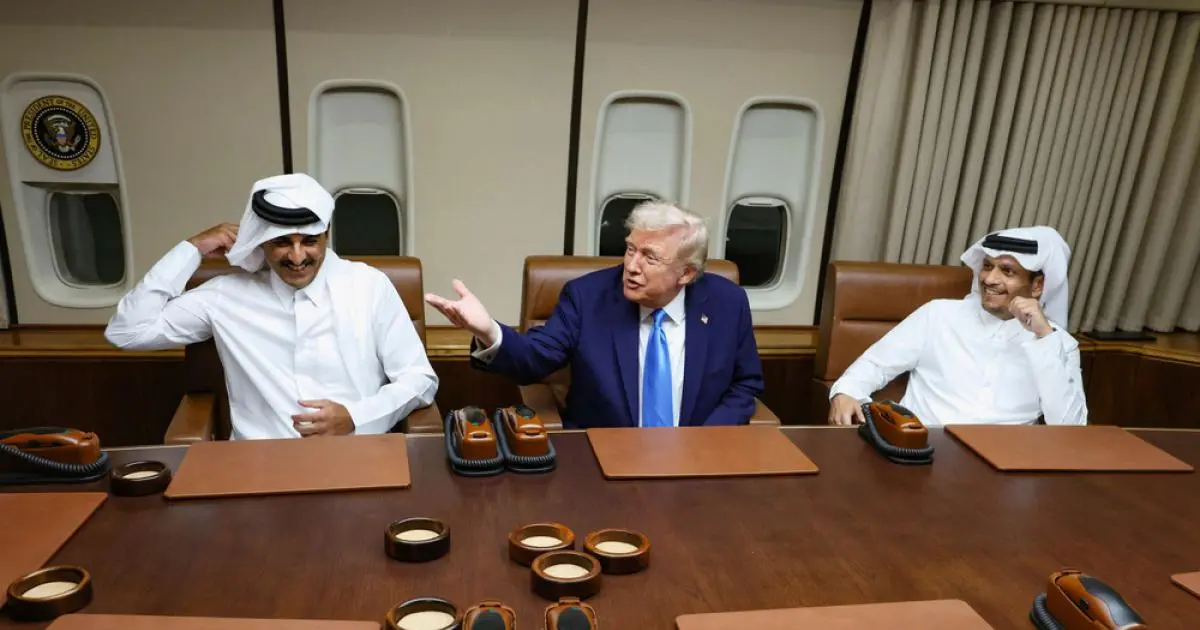
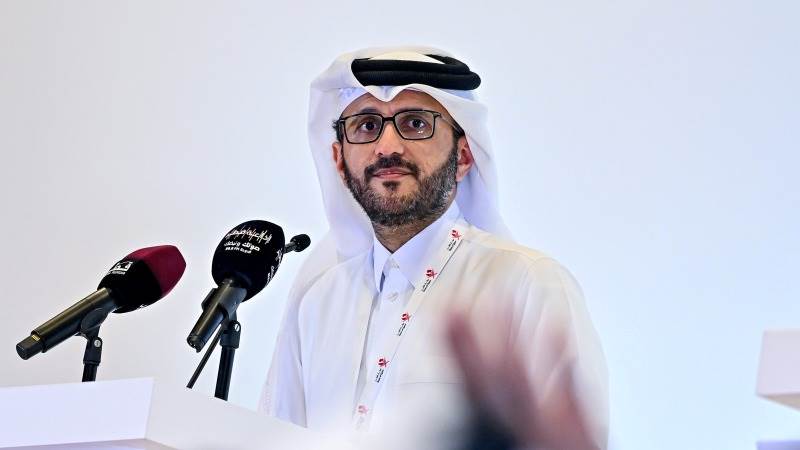
Qatar's foreign ministry spokesperson Majed al-Ansari stated on Monday that Gulf Arab states must prioritize self-reliance for security, suggesting current alliances are insufficient in the face of regional challenges. Speaking at the Hili Forum in Abu Dhabi on September 7, al-Ansari emphasized that depending solely on the strategic partnership with the United States for security is not enough. He noted that recent conflicts involving Iran demonstrated the importance of the U.S. Alliance, but also its limitations for full Gulf security. "We need to realise in the Gulf that having international forces in the region, having a strategic alliance with the US is very important but is not enough," al-Ansari said. He concluded, "Self-sufficiency when it comes to security is the only way forward." Al-Ansari's remarks showed a growing sentiment among some Gulf nations regarding the need for enhanced independent security capabilities. The Hili Forum served as a platform for discussions on regional stability, where the Qatari official's comments resonated with the broader concerns about the evolving geopolitical landscape.
Iran Conflict's Regional Impact
Qatar has emerged as a key mediator in the ongoing conflict between the United States and Iran. The regional tensions have led to significant disruptions, with Iran actively disrupting maritime traffic in the Strait of Hormuz. This strategic waterway is key for global energy supplies, and any disruption has broad economic implications. Following six months of conflict, the United States is now pressing for a counter-blockade of Iranian ports in response. The escalating actions by both sides have heightened concerns about a potential wider confrontation in the region.
Iran has asserted that the Strait of Hormuz belongs solely to Iran and Oman. However, this claim is broadly rejected by other Gulf states, who maintain that the strait is an international waterway. This contention over maritime sovereignty adds another layer of complexity to the already volatile situation. The international community largely views the Strait of Hormuz as a vital international shipping lane, essential for global trade and energy security. The escalating maritime tensions show the broader regional instability, prompting calls for Gulf states to enhance their independent security capabilities. The continuous challenges in the Strait of Hormuz highlight the vulnerabilities of relying on external powers for guaranteed safe passage and trade.
Diplomatic Efforts and US Role
Qatar has sustained heavy Iranian attacks, particularly targeting its energy infrastructure. These attacks pose a direct threat to Qatar's economic stability and its role as a major global energy supplier. Amidst these tensions, Qatar’s Prime Minister Sheikh Mohammed bin Abdulrahman Al Thani traveled to Tehran last month, undertaking mediation efforts. His visit aimed to de-escalate tensions and explore pathways for a peaceful resolution to the ongoing conflict. The diplomatic activity extended to discussions between Iran and Oman, who stated they were discussing a temporary shipping corridor and mine-clearing operations. These discussions indicated an attempt to establish practical measures to ensure maritime safety and reduce the risk of accidental confrontations in the critical waterways.
Qatar, alongside Pakistan, played a key role in brokering an April ceasefire between Iran and the United States. This diplomatic engagement also led to a June memorandum of understanding. These agreements represented significant, albeit temporary, breakthroughs in reducing hostilities. However, both arrangements have since collapsed, indicating the persistent challenges in de-escalating regional tensions. The failure of these diplomatic initiatives shows the deep-seated mistrust and complex geopolitical factors at play between the United States and Iran. The continued instability emphasizes the complex diplomatic landscape and the ongoing need for regional states to navigate security concerns independently. The episodic nature of these diplomatic successes and subsequent failures reinforces the argument for Gulf states to develop more strong self-reliant security postures.
Gulf States' Security Strategies
Qatar and other Gulf states condemned Iran’s strikes on energy and other infrastructure, reflecting broad regional concerns. These condemnations highlight a unified stance against actions that threaten regional stability and economic interests. The United Arab Emirates has taken steps to mitigate potential disruptions to its economic activities. UAE presidential adviser Anwar Gargash stated, "Our energy exports will not be held hostage, nor will our trade and economic activity." This position shows a commitment to protecting vital national interests amidst regional tensions. The UAE's proactive stance reflects a broader regional strategy to safeguard economic prosperity against external threats.
The UAE has been actively expanding its port capacity along its eastern coast. This expansion is a strategic move to diversify its maritime access points and reduce reliance on a single, potentially vulnerable, shipping route. Concurrently, it has developed pipelines, railways, and new trade routes to establish alternative corridors for its exports and imports. These infrastructure projects aim to enhance the country's resilience against potential threats to existing shipping lanes, particularly those passing through the Strait of Hormuz. By creating multiple avenues for trade, the UAE seeks to ensure uninterrupted economic activity even in times of heightened regional instability. In a significant move, the UAE suspended all financial and economic transactions with the Islamic Republic in August. This decision was made citing military escalation by Tehran and specific missile threats, indicating a direct response to perceived security challenges. Anwar Gargash reiterated the nation's resolve, stating, "Our energy exports will not be held hostage, nor will our trade and economic activity." This suspension of transactions shows the UAE's willingness to take decisive measures to protect its security and economic interests, further illustrating the push for greater self-sufficiency and resilience in the face of ongoing regional volatility.