From the archive
Iran Envoys in Doha for U.S. Peace Talks Amid Regional Tensions
Iran's top envoys met with Qatar's prime minister in Doha to discuss a potential peace deal with the U.S., focusing on the Strait of Hormuz and Iran's…
Iran’s top negotiator and its foreign minister were in Doha, Qatar, for discussions with Qatar’s prime minister regarding a potential agreement with the U.S. Aimed at ending a three-month-old conflict. This high-level delegation shows the seriousness of the diplomatic push to de-escalate tensions in the region. The visit occurred as the U.S. And Iran are reportedly discussing a plan to open the Strait of Hormuz approximately 30 days after a deal to cease hostilities is reached, according to a report by Nikkei newspaper. This potential arrangement notes the critical economic and strategic importance of the waterway. An official briefed on the Iranians’ visit to Doha told Reuters that the talks primarily focused on the Strait of Hormuz and Iran’s stockpile of highly enriched uranium, two central issues in the ongoing negotiations. These diplomatic efforts come amid ongoing regional tensions, reflecting a complex interplay of military posturing, economic pressures, and political objectives. The presence of such senior officials from both nations in Qatar signals a concerted push to find common ground despite deep-seated disagreements.
Diplomatic Maneuvers and Sticking Points
Secretary of State Marco Rubio told reporters in New Delhi that the United States would give diplomacy every chance to succeed before considering whether to deal with Iran in “another way.” Rubio described the ongoing discussions, stating, "pretty solid thing on the table in terms of their ability to open up the strait (of Hormuz), get the strait open, enter into a very real, significant, time-limited negotiation on the nuclear matter, and hopefully we can pull it off." This statement from Secretary Rubio emphasizes the U.S. Commitment to a diplomatic resolution while also hinting at potential alternatives should talks falter.
Iran’s central bank governor attended the Doha talks to discuss the potential release of frozen Iranian funds, which could form part of a final agreement. The unfreezing of these assets is a significant demand from Tehran and could provide a key incentive for Iran to engage constructively in the broader peace process. Iran’s foreign ministry spokesperson, Esmaeil Baghaei, previously indicated that nuclear issues would only be negotiated if a framework accord is agreed upon first. This stance suggests a phased approach to negotiations from the Iranian side, prioritizing a foundational agreement before delving into the intricacies of its nuclear program.
Donald Trump has stated his key aim in the conflict is to prevent Iran from developing a nuclear weapon with its highly enriched uranium stockpiles. The international community has long expressed concerns about the potential military dimensions of Iran's nuclear activities, particularly given its accumulation of enriched uranium. Tehran has consistently denied any plans to develop a nuclear weapon, maintaining that its nuclear program is solely for peaceful purposes, such as energy generation and medical applications. This fundamental disagreement over Iran’s nuclear intentions remains a major hurdle in any full agreement.
The two sides remain at odds on several other issues, including Israel’s war in Lebanon involving the Iranian-backed Hezbollah militia. The conflict in Lebanon adds another layer of complexity to the regional security landscape, with Iran's support for non-state actors being a persistent point of contention with the U.S. And its allies. Iran also continues its demands for the lifting of sanctions and the release of tens of billions of dollars in Iranian oil revenues frozen in foreign banks. These economic sanctions have severely impacted Iran's economy, and their removal is a primary objective for Tehran in any negotiations. The combination of these diverse and deeply entrenched disagreements shows the challenging nature of the diplomatic path ahead.
Regional Flashpoints and Military Posturing
Regional tensions intensified as Iran announced it had downed a "hostile" stealth drone using a new air defense system. This incident occurred amidst heightened military posturing in the region, serving as a stark reminder of the volatile security environment. Such events can quickly escalate, further complicating diplomatic efforts. Separately, Israeli Prime Minister Benjamin Netanyahu stated on Monday that Israel would intensify strikes against Hezbollah in Lebanon. His remarks followed an earlier agreement between Israel and Lebanon on a ceasefire in mid-April, indicating a potential breakdown or severe strain on that earlier understanding. The prospect of renewed or intensified conflict between Israel and Hezbollah, a group backed by Iran, directly impacts the broader regional stability that the Doha talks aim to foster.
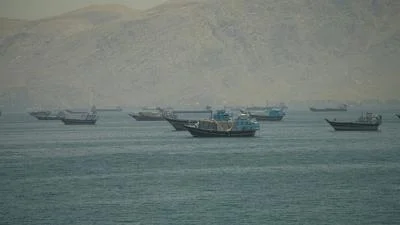
Further compounding regional instability, the U.S. And Israel had launched strikes on Iran on February 28. These military actions show the volatile security environment surrounding the diplomatic talks in Doha, demonstrating the readiness of both sides to use force. Such preemptive or retaliatory strikes can significantly raise the stakes and make de-escalation more difficult, yet diplomatic channels remain open. Despite these developments, maritime traffic through the critical Strait of Hormuz continued. In the past 24 hours, 32 vessels and five oil tankers passed through the Strait of Hormuz, operating with the authorization of Iran’s Revolutionary Guards naval forces. This continued flow of maritime traffic, even under the watchful eye of Iranian forces, notes the strait's indispensable role in global commerce and the delicate balance maintained in the heavily militarized waterway. The discussions concerning the future status of the Strait of Hormuz are therefore of critical international importance, directly influencing global energy markets and supply chains.
Economic Implications and Market Reaction
On Monday, global oil prices experienced a significant decline, falling more than 4% to reach two-week lows. This sharp downturn in oil markets reflected investor optimism regarding the potential for de-escalation. The downturn in oil markets coincided with reports of diplomatic efforts in Doha aimed at de-escalating regional tensions involving Iran and the United States. This market reaction suggests that investors are closely monitoring the potential for a resolution to the ongoing conflict, particularly concerning the critical Strait of Hormuz, a key conduit for global oil shipments. Any perceived reduction in geopolitical risk in the Middle East, especially concerning a vital chokepoint like the Strait of Hormuz, typically leads to a softening of oil prices as supply concerns ease. The prospect of an agreement that could ensure the free flow of maritime traffic through the strait likely contributed to the downward pressure on crude futures, signaling a positive market response to the diplomatic overtures. The economic stakes are high, not just for the nations involved, but for the global economy which relies heavily on the stability of oil supplies from the region.
Key Statements and Future Outlook
In a post on Truth Social on Monday, President Donald Trump stated that talks with Iran were progressing "nicely." Trump added that it "will only be a Great Deal for all, or no Deal at all." This statement from the U.S. President emphasizes an all-or-nothing approach to the negotiations, suggesting that any agreement must be full and significantly beneficial to all parties involved, particularly the U.S. He also urged more Arab and Muslim states to sign up to the Abraham Accords, a series of normalization agreements between Israel and several Arab nations. This call reflects a broader U.S. Foreign policy objective to expand regional cooperation and stability, potentially creating a united front against perceived Iranian aggression. These statements come as diplomatic efforts continue in Doha between Iranian envoys and U.S. Representatives, showing the complex political environment in which these critical negotiations are taking place. The coming weeks will be key in determining whether these diplomatic overtures can translate into a tangible reduction in regional tensions and a lasting agreement.