From the archive
Iran Launches Major Strikes on US Bases in Qatar and Kuwait, Citing Retaliation
Iran's IRGC launched a large-scale surprise attack on the US Al-Udeid Air Base in Qatar and struck US military equipment in Kuwait, citing retaliation for…
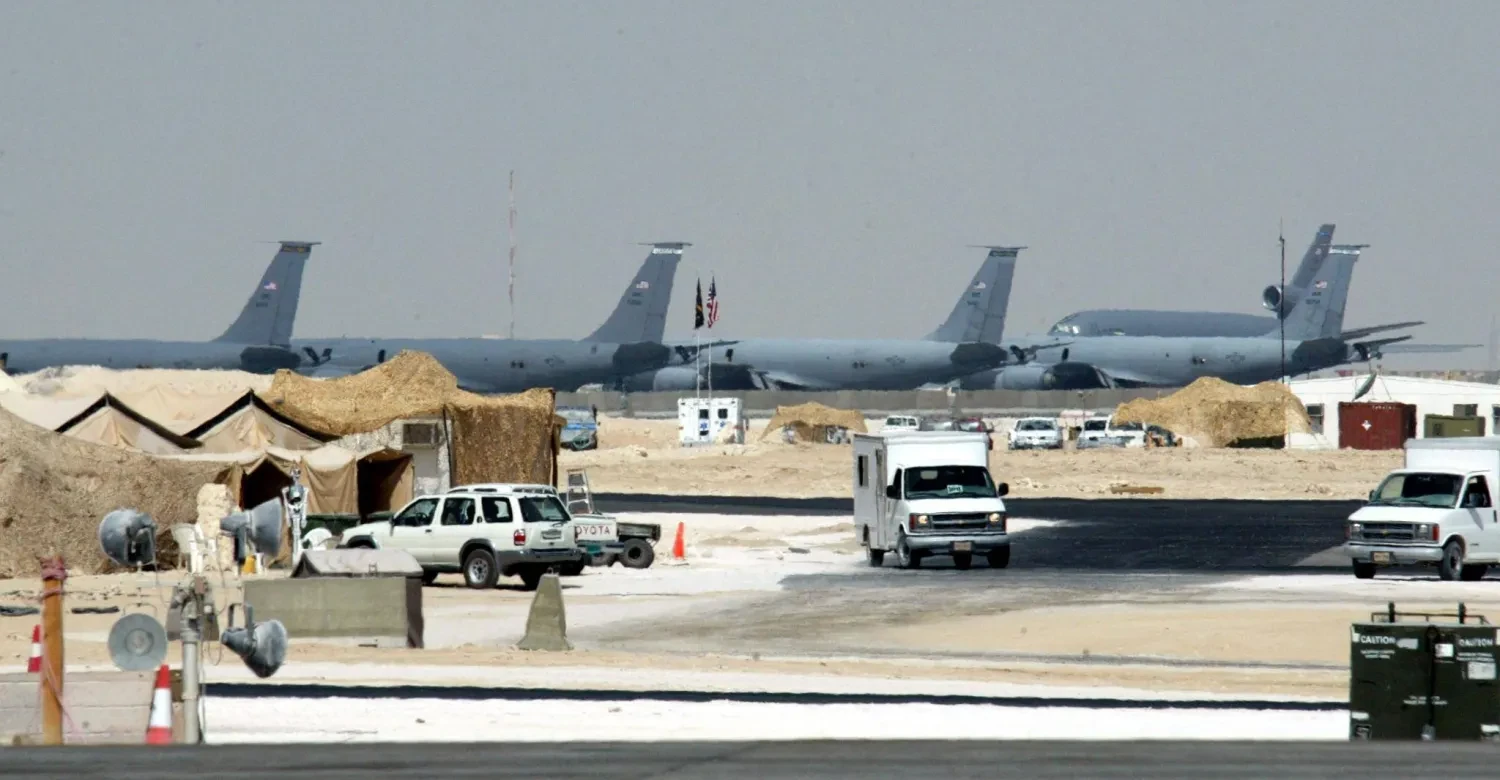
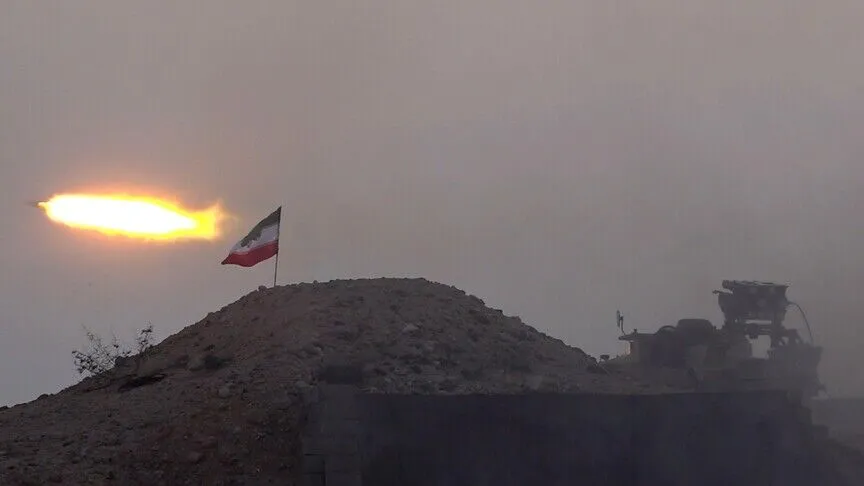
Iran's Islamic Revolutionary Guard Corps (IRGC) executed a "large-scale surprise attack" on the US Al-Udeid Air Base in Qatar on Friday, citing retaliation for American actions. This significant military operation by the IRGC involved a full assault on the base, which serves as a critical hub for US military operations in the region. The IRGC stated the strikes were "retaliation for US war crimes and attacks on civilians," providing a clear justification for their actions. This action followed an earlier incident where US Central Command (CENTCOM) forces destroyed the Shahid Kalantari Port surveillance tower in Chabahar on July 16. CENTCOM confirmed that the strike completely destroyed the tower in Chabahar. The Iranian military's actions mark a significant escalation in regional tensions, drawing a direct link between the US strike on Iranian infrastructure and the subsequent retaliatory attacks.
Kuwaiti Infrastructure Damaged
The Islamic Revolutionary Guard Corps (IRGC) announced strikes targeting military equipment at a US base in Kuwait, broadening the scope of their retaliatory operations. Following these attacks, Kuwait's Ministry of Electricity reported extensive damage to its power generation and water desalination units, critical components of the nation's infrastructure. The ministry confirmed that a significant number of these key infrastructure components were affected by the Iranian strikes, indicating a substantial impact on Kuwait's utilities.
In response, Kuwait's Ministry of Electricity activated emergency plans designed to mitigate the impact of the strikes and maintain the stability of the national electricity grid. These plans were immediately put into action to ensure continuity of essential services despite the damage. Firefighting teams were deployed to address a blaze that erupted as a result of the attacks on the infrastructure. Kuwait's Ministry of Electricity stated, "Firefighting teams had brought the resulting blaze under control, and we urge citizens and residents to conserve electricity during an exceptional period." The teams successfully extinguished the fire, preventing further damage and ensuring public safety. The swift response aimed to minimize disruption to the national power supply and water services, which are vital for the country's population.
US Actions and Iranian Justification
The Islamic Revolutionary Guard Corps (IRGC) declared its strikes on US bases in Qatar and Kuwait were direct "retaliation for US war crimes and attacks on civilians." This statement from the IRGC provided the official justification for the coordinated military actions, framing them as a response to perceived American aggression. The IRGC's assertion shows the escalating rhetoric and military posturing between the two nations.
Iran's state television previously reported a US strike earlier targeted the maritime control tower in Chabahar, an event that predated the IRGC's retaliatory attacks. This report noted the Iranian perspective on the initial provocation. The US Central Command (CENTCOM) confirmed destroying the Shahid Kalantari Port surveillance tower in Chabahar on July 16. This US action on Iranian infrastructure appears to have been a key trigger for the IRGC's subsequent large-scale strikes on American military facilities in the Gulf region. The IRGC's declaration explicitly linked its operations to perceived US aggression against civilian targets and its broader military conduct, emphasizing a tit-for-tat dynamic in the ongoing regional tensions.
Regional Maritime Incidents
The broader regional context has also seen a rise in maritime incidents, adding another layer of complexity to the heightened tensions. The United Kingdom Maritime Trade Operations (UKMTO) reported military activity off the coast of Oman, which impacted both an oil tanker and a commercial vessel. This activity raised concerns about the safety of commercial shipping lanes in the Gulf region. UKMTO later confirmed it had received a report describing an incident involving a merchant ship and military forces located east of Duqm, also off the Omani coast, further detailing the nature of the disruptions. Separately, unauthorized individuals boarded a vessel approximately 65 nautical miles south of Mukalla, Yemen, as it sailed eastward through the Gulf of Aden, indicating potential piracy or illicit activity in a critical shipping corridor. In another incident that added to regional maritime concerns, armed men seized the chemical tanker Asana in the Gulf of Aden while it was en route to Bosaso, Somalia, noting the persistent threats to maritime security.
These maritime events occurred as daily traffic through the Strait of Hormuz saw a significant drop, reflecting the increased instability. Eight ships transited the strategic waterway on Thursday, marking the lowest daily traffic observed in three weeks. This reduction in shipping activity through one of the world's most vital oil chokepoints shows the perceived risks and the cautious approach adopted by international shipping companies amidst the escalating military and security concerns in the Middle East. The combined effect of these incidents paints a picture of a region on edge, with both military and commercial activities under threat.